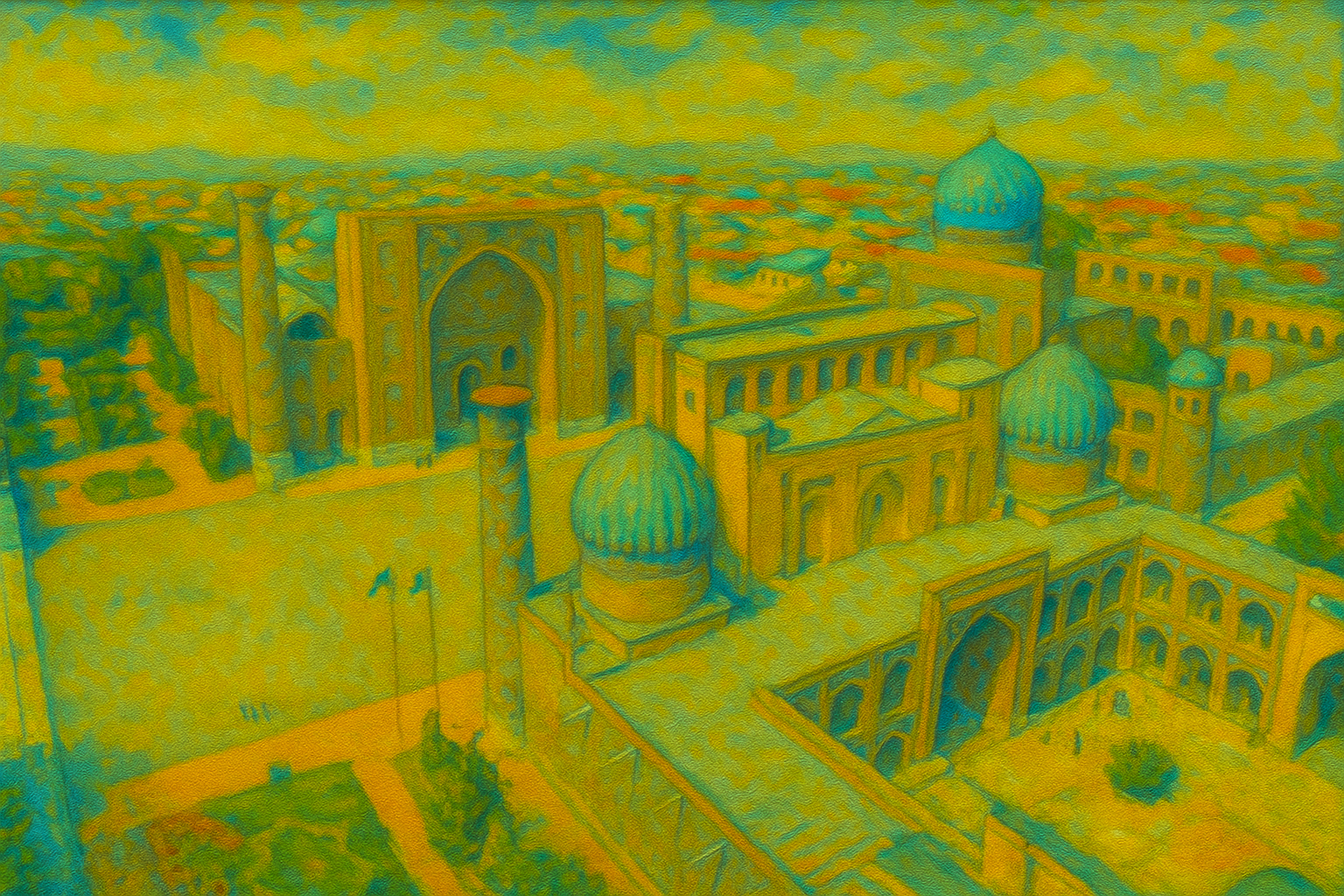
Registan Square
The Registan is the heart of Samarkand, a stunning ensemble of three grand madrasahs surrounding a central square. Their facades glow with blue and gold mosaics and intricate geometric designs. Ulugh Beg Madrasah reflects its ruler’s passion for astronomy, Sher-Dor shows rare lion-and-sun motifs, and Tilla-Kari features a gilded dome. Once the city’s ceremonial center, it remains a symbol of Samarkand’s artistry and enduring spirit.
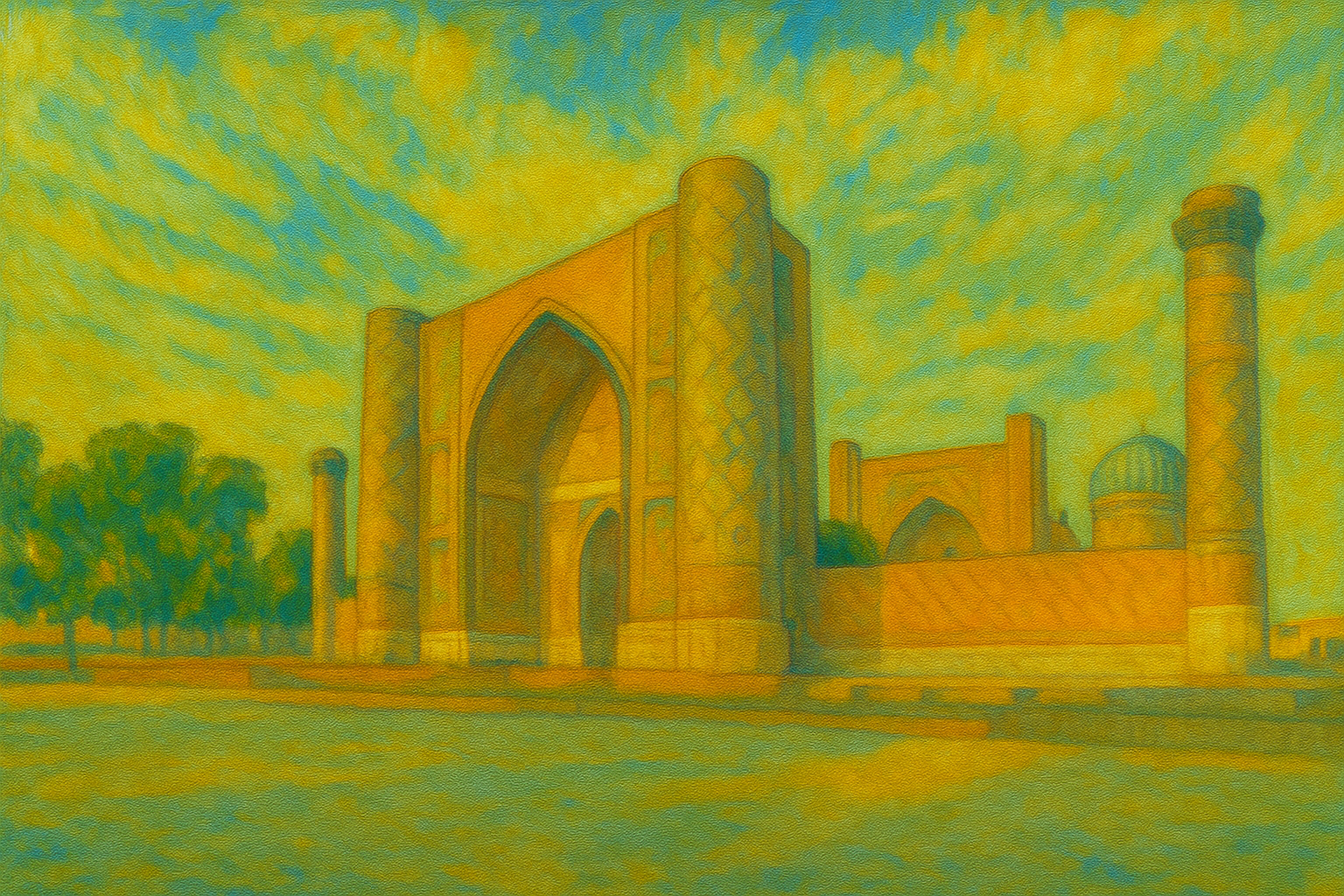
Bibi-Khanym Mosque
The Bibi-Khanym Mosque, built in 1399 by Timur after his campaign in Delhi, was intended to be one of the largest and most magnificent mosques in the Islamic world. Constructed with marble transported by elephants and artisans brought from across Asia, it was a bold feat of ambition. However, the scale led to structural issues, and earthquakes and neglect later reduced it to ruins. Today, after restoration, its grand entrance and massive dome once again dominate Samarkand’s skyline.
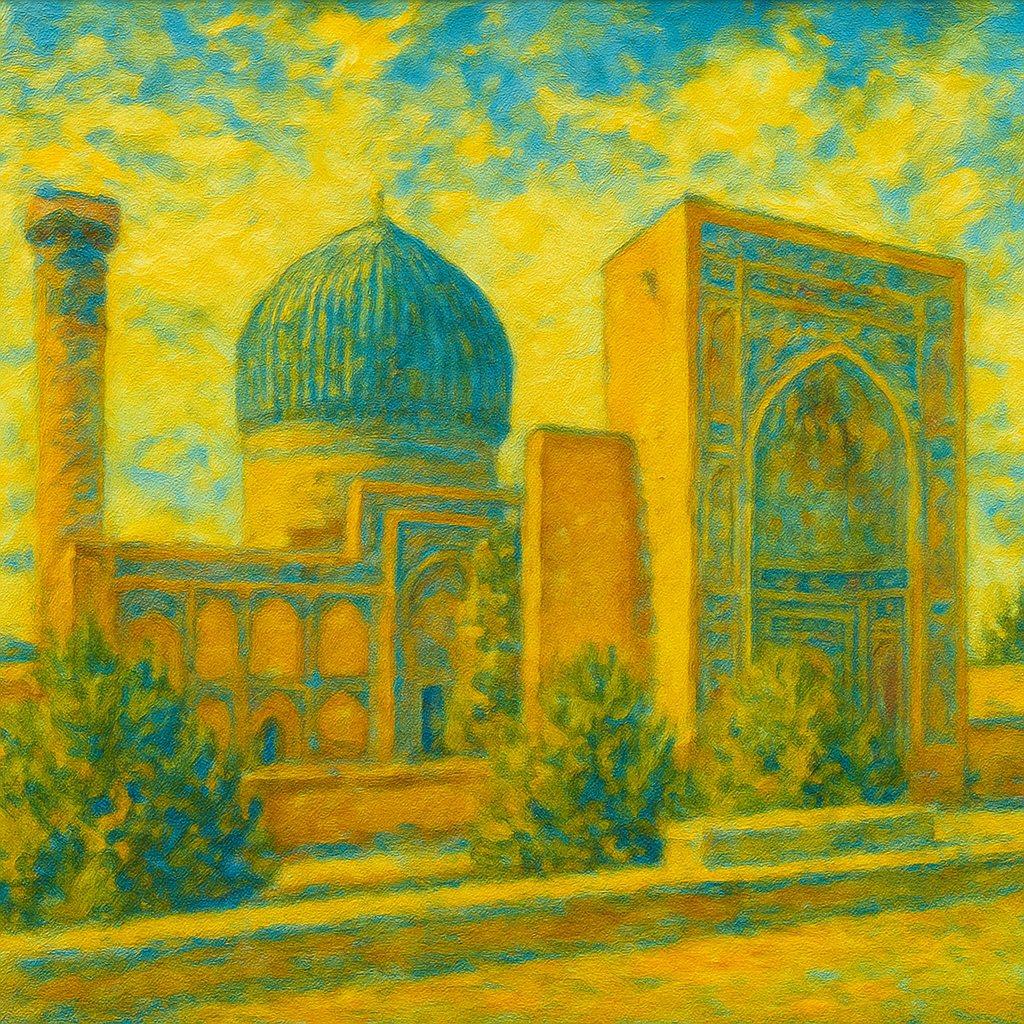
Gur-e-Amir Mausoleum
Gur-e-Amir, crowned with a turquoise dome, is the resting place of Amir Timur in Samarkand. Built in 1403 for his grandson, it later became Timur’s own tomb. Inside, mosaics, marble, and his jade tombstone create a solemn beauty. Legend says disturbing the grave brings disaster, echoed when it was opened in 1941 just before Hitler invaded. Also buried here is Ulugh Beg, Timur’s scholar-king grandson.
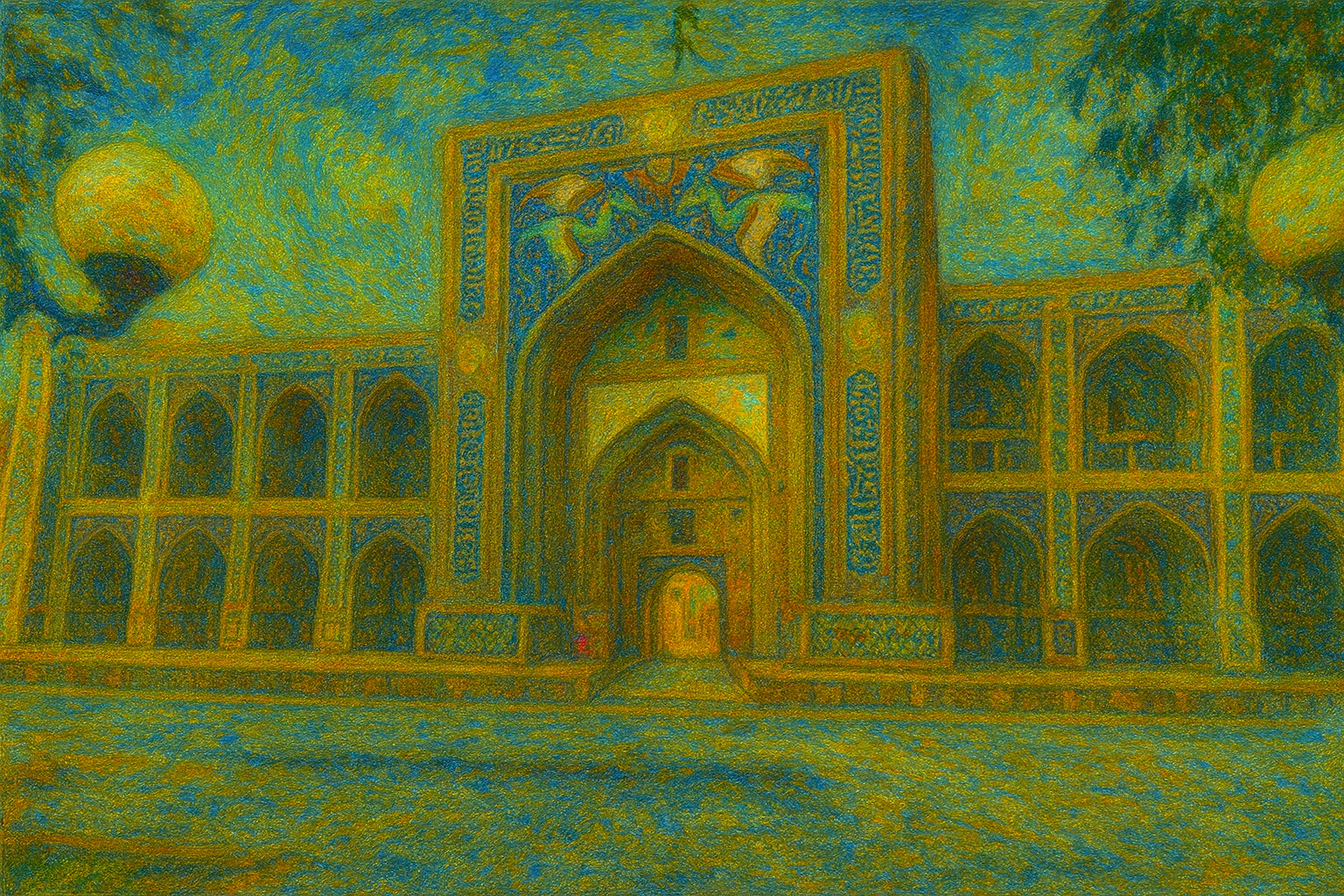
Ulugh Beg Observatory
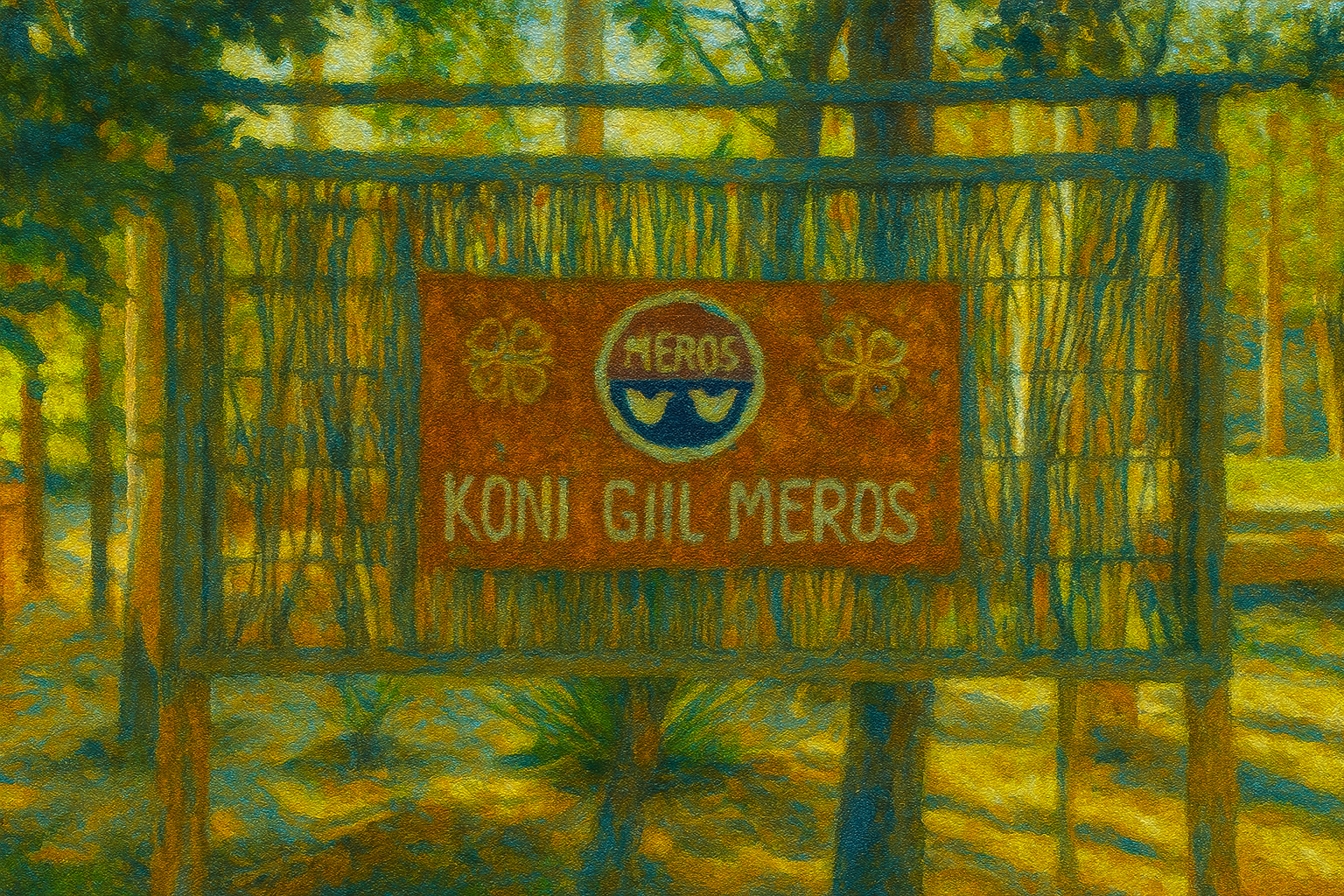
Meros Paper Mill (Koni Ghil)
End your trail in the tranquil village of Koni Ghil, just outside the city, where the Meros family continues the ancient craft of Samarkand paper-making using 8th- century techniques. Watch as mulberry bark is transformed into sheets of paper, using flowing water, wooden tools, and human hands — no machines. You can even try your hand at the process, buy beautifully bound notebooks, or simply sit by the waterwheel and take in the peaceful surroundings.
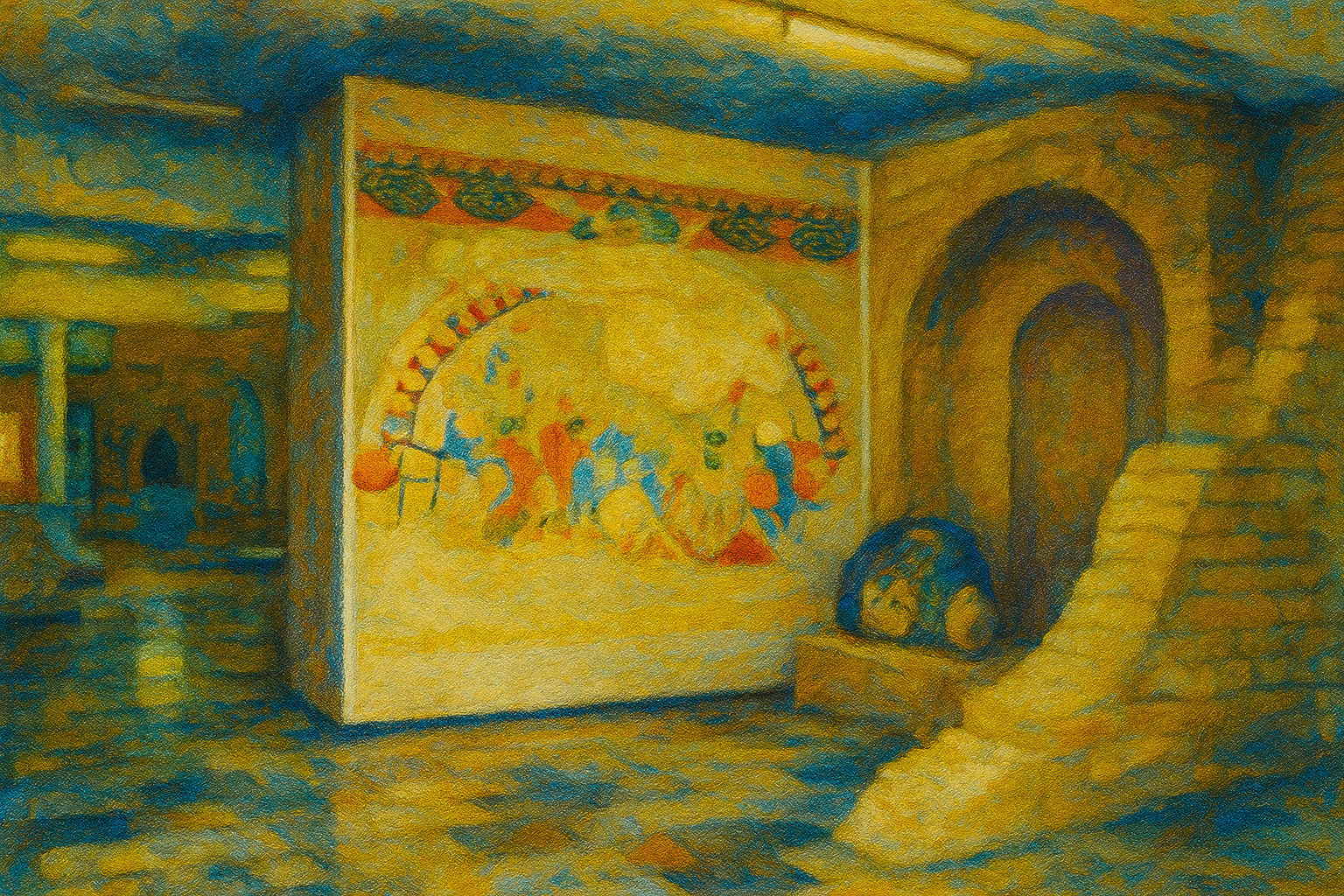
Afrosiab Museum & Ancient
Begin your journey at the site of ancient Samarkand, known as Afrosiab. Here, you'll walk through one of the most important archaeological sites in Central Asia. The museum showcases unearthed treasures from the pre-Islamic Sogdian civilization, including fragile wall murals, ceremonial ceramics, and beautifully painted depictions of royalty and trade. Standing on this historic hill, you’re quite literally tracing the footsteps of 2,500 years of human settlement.
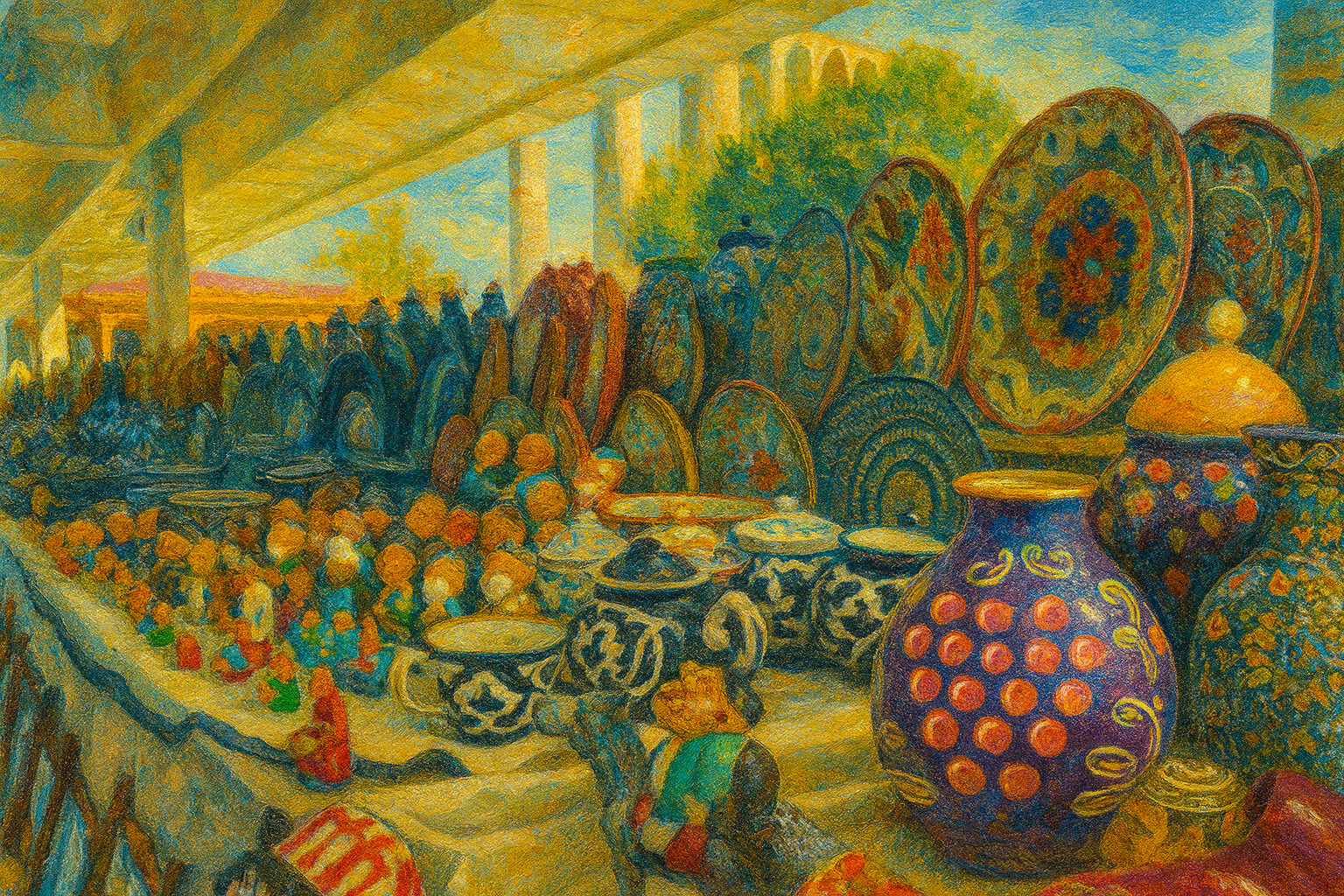
Siab Bazaar
Next, immerse yourself in the colors, aromas, and rhythms of Siab Bazaar, Samarkand's oldest and most bustling market, located near the iconic Bibi-Khanym Mosque. Here, you can sample dried fruits, buy fresh non (bread), taste sweet halva, and observe locals as they go about their daily lives. It’s not just shopping it’s a cultural encounter. Every conversation, scent and bite tells a story of community and continuity.
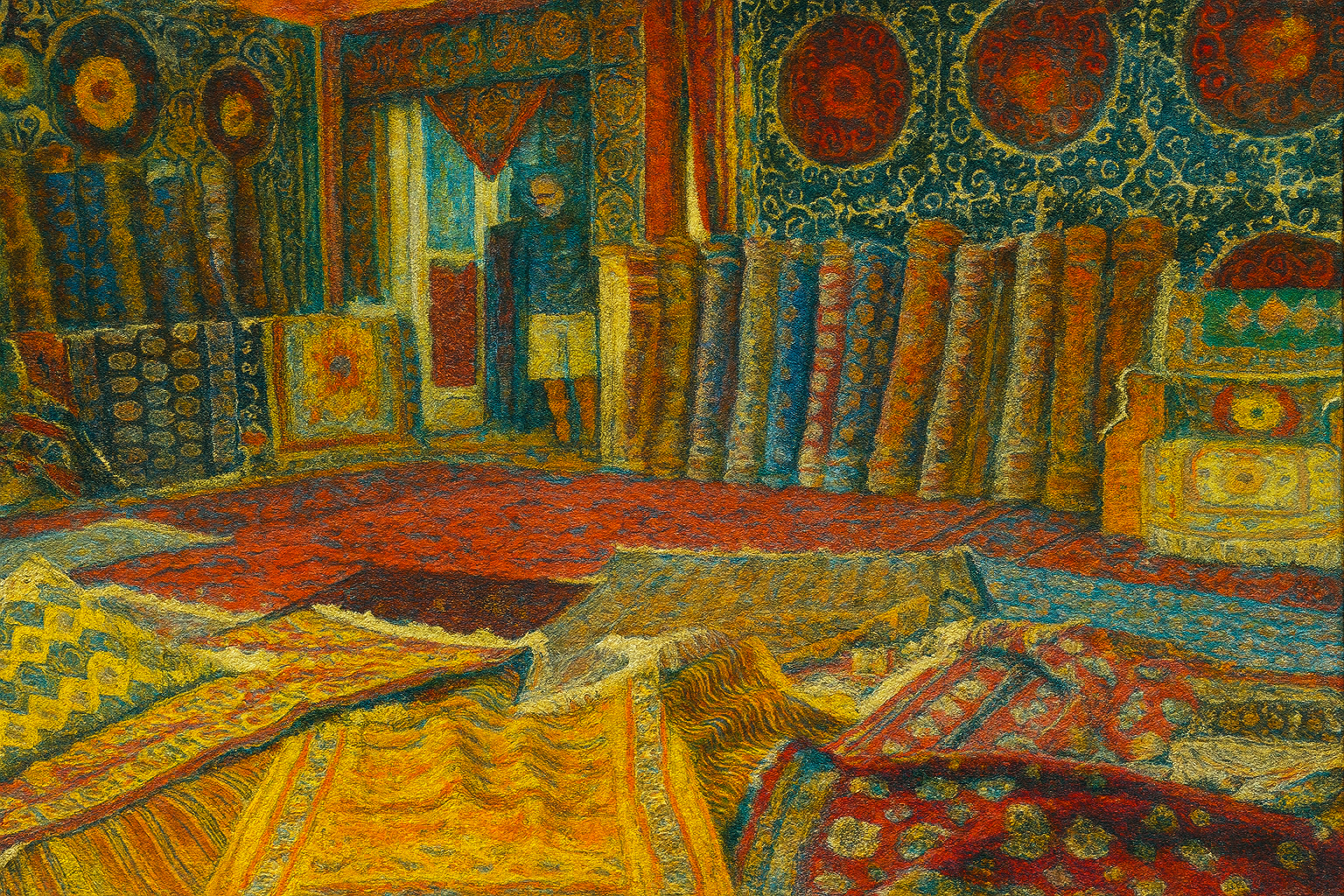
Samarkand Silk Carpet Factory
At this artisan cooperative, witness how intricately handwoven silk carpets come to life. From silkworm cocoons to vibrant natural dyes, you'll observe each stage of the weaving process a tradition passed down through generations. Visitors are often mesmerized by the detail a single carpet can take several months to complete. You’ll meet the weavers, feel the silk, and understand the patience and poetry that go into every rug.
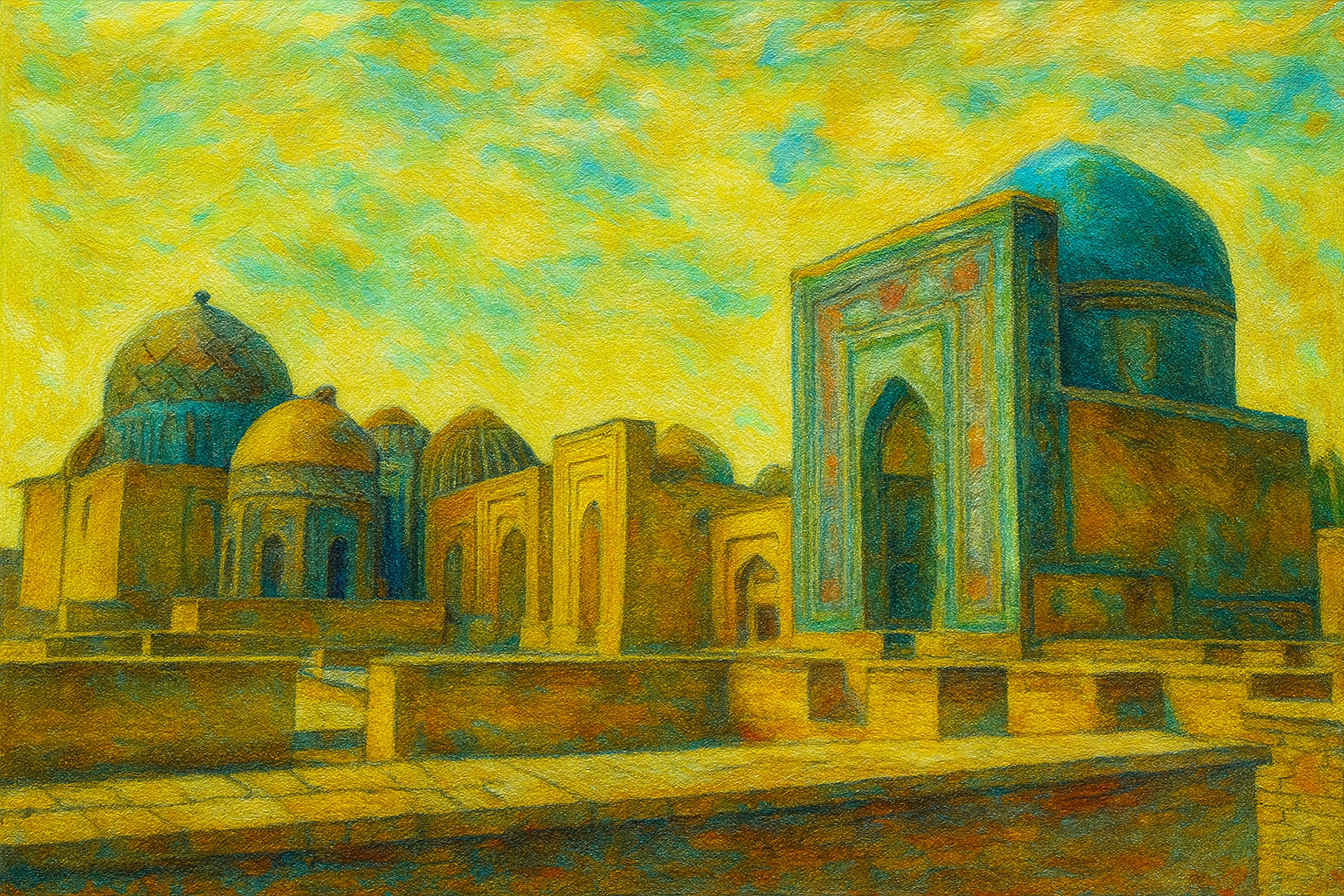
Shah-i-Zinda
Shah-i-Zinda, meaning “Tomb of the Living King,” is a sacred necropolis in Samarkand honoring Qusam ibn-Abbas, cousin of the Prophet Muhammad. Legend says he entered the afterlife alive, giving the site a powerful spiritual aura. A narrow passageway leads past more than twenty mausoleums, their tiles glowing in shades of turquoise, sapphire, and gold. Built over centuries by Timur’s family and nobles, each tomb is unique, yet together they form a stunning corridor of devotion. Pilgrims still walk here in quiet awe.
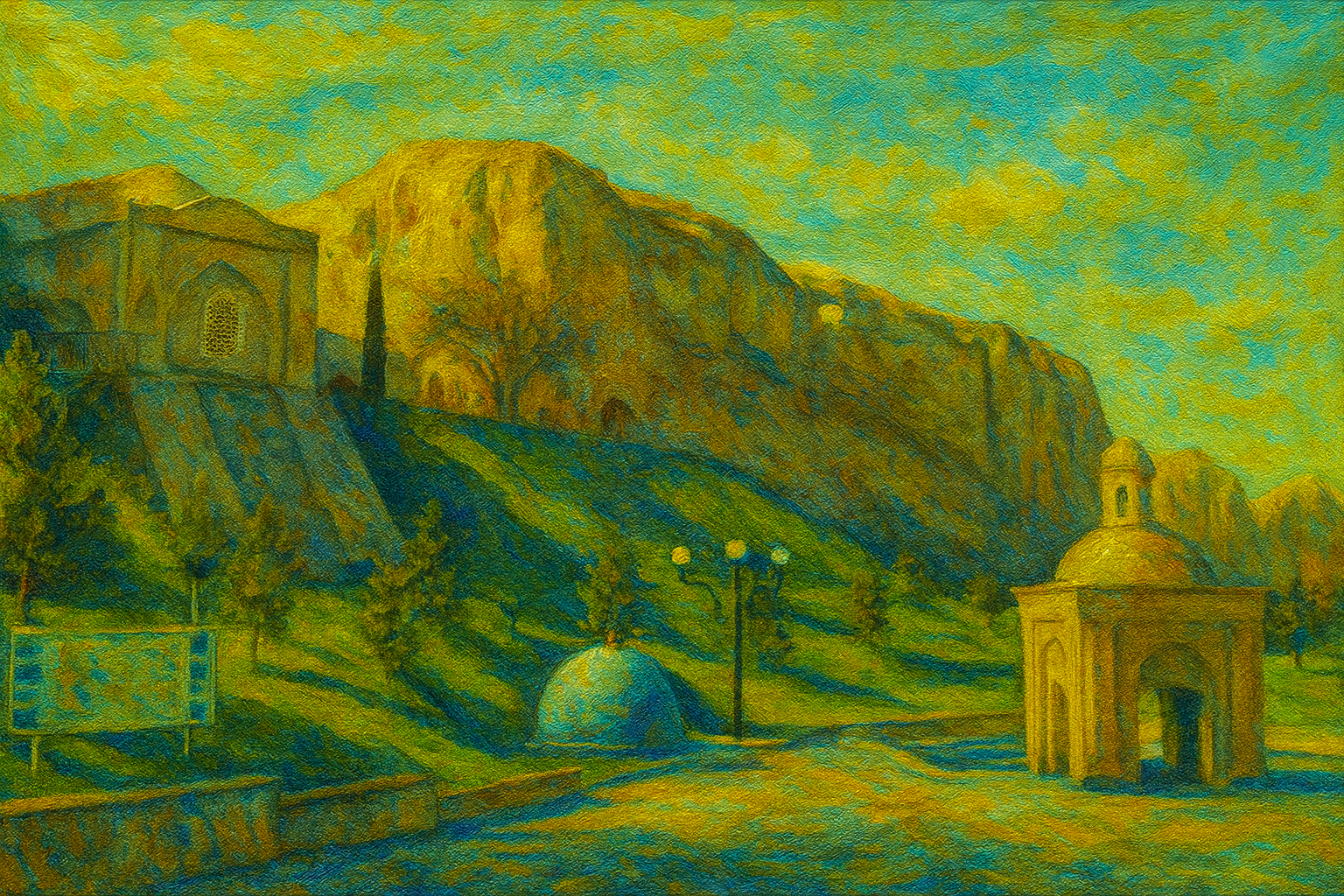
Tomb of Prophet Daniel
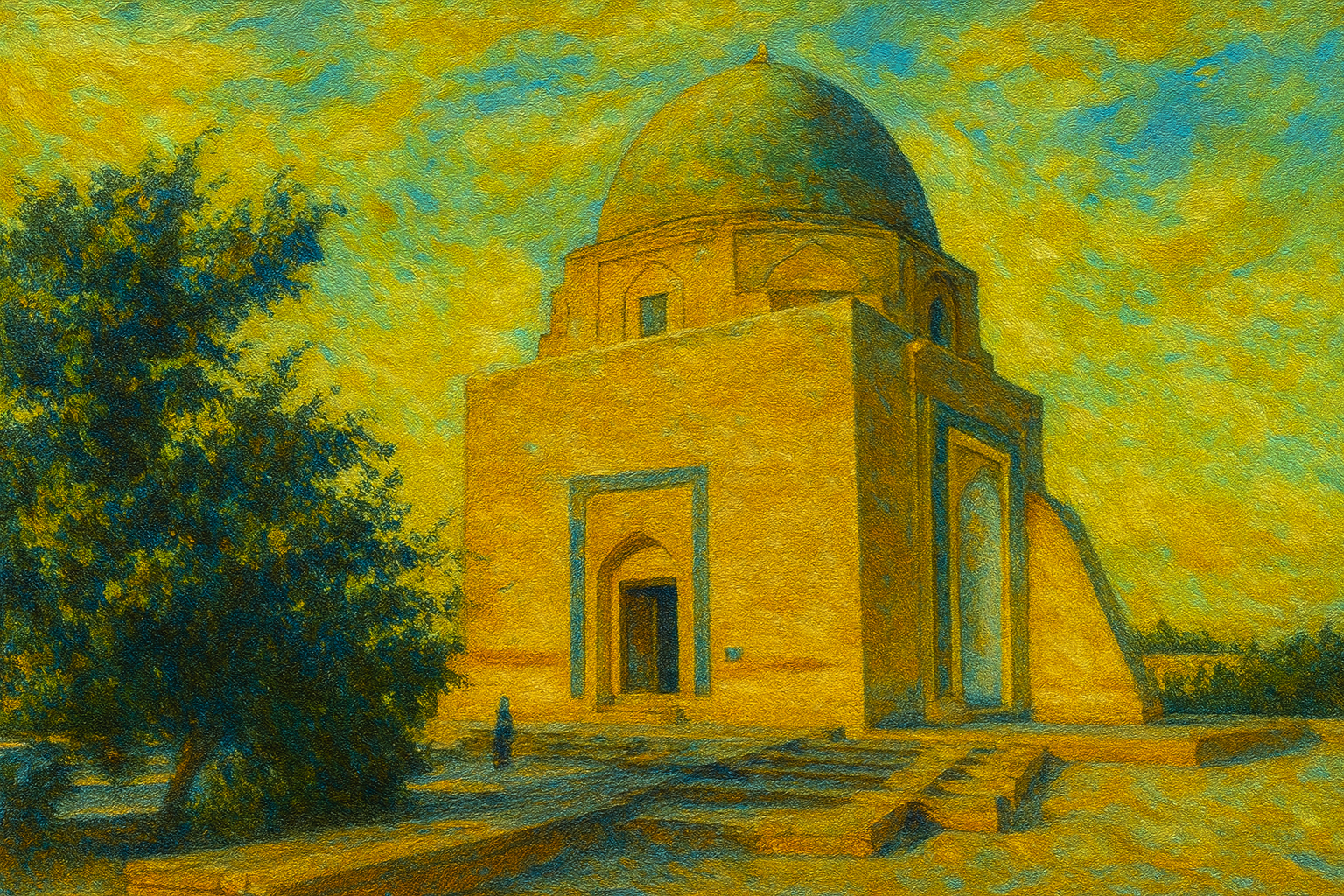
Rukhobod Mausoleum
The Rukhobod Mausoleum, built in 1380 under Timur, commemorates Sheikh Burhanuddin Sagarji, a revered Sufi scholar and Timur’s spiritual mentor. Unlike Samarkand’s grand monuments, it is simple and unadorned, reflecting Sufi values of humility and inner devotion. It is believed to contain strands of the Prophet Muhammad’s hair, making it a respected pilgrimage site. Rukhobod invites quiet reflection rather than awe, offering a moment of stillness and spiritual presence amid the city’s architectural splendor.
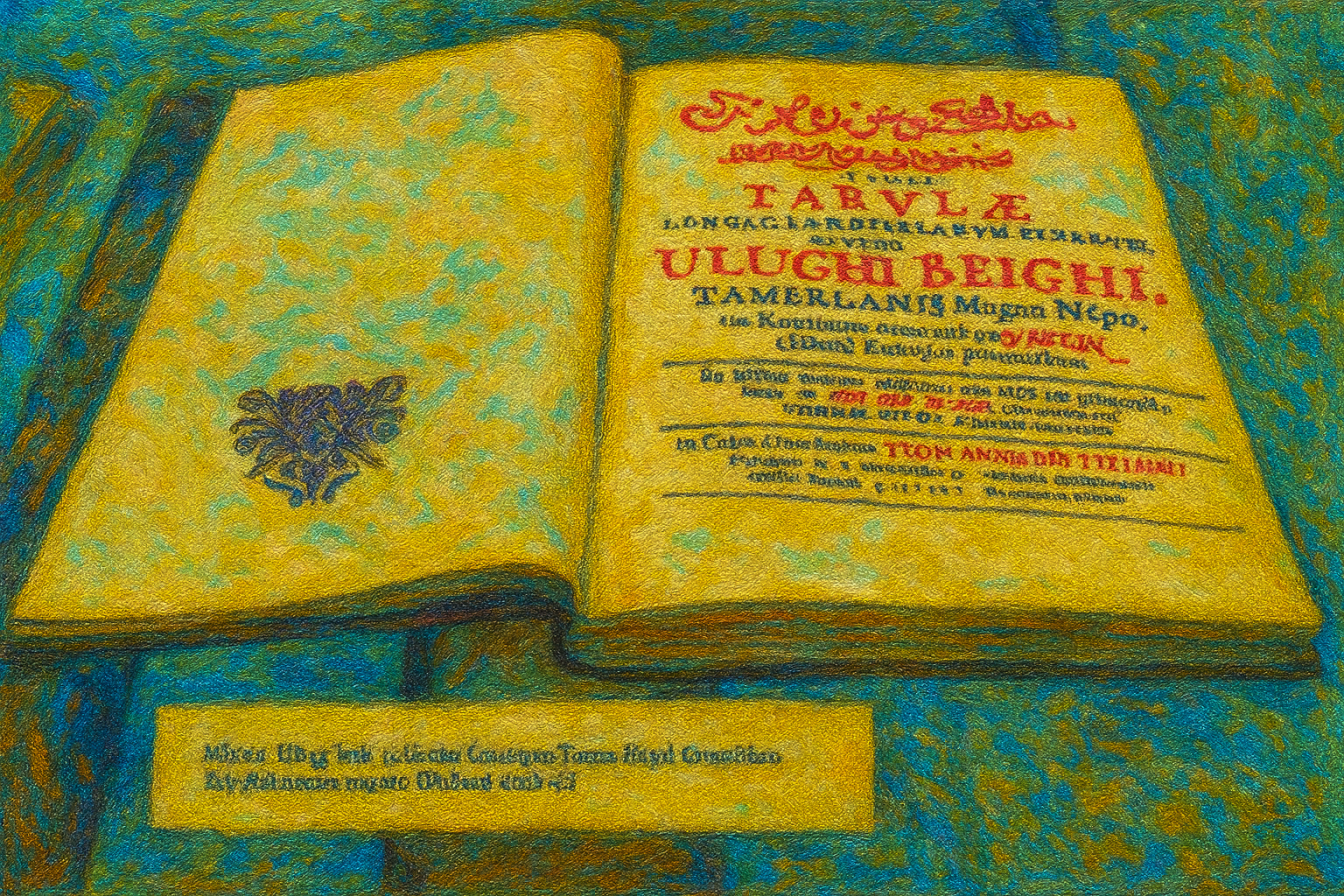
Ulugh Beg Observatory
Here, the sky isn't just a canvas for stars, it's a place to reflect on how small, and yet how curious, we are. Stand above Samarkand and let silence meet the cosmos.
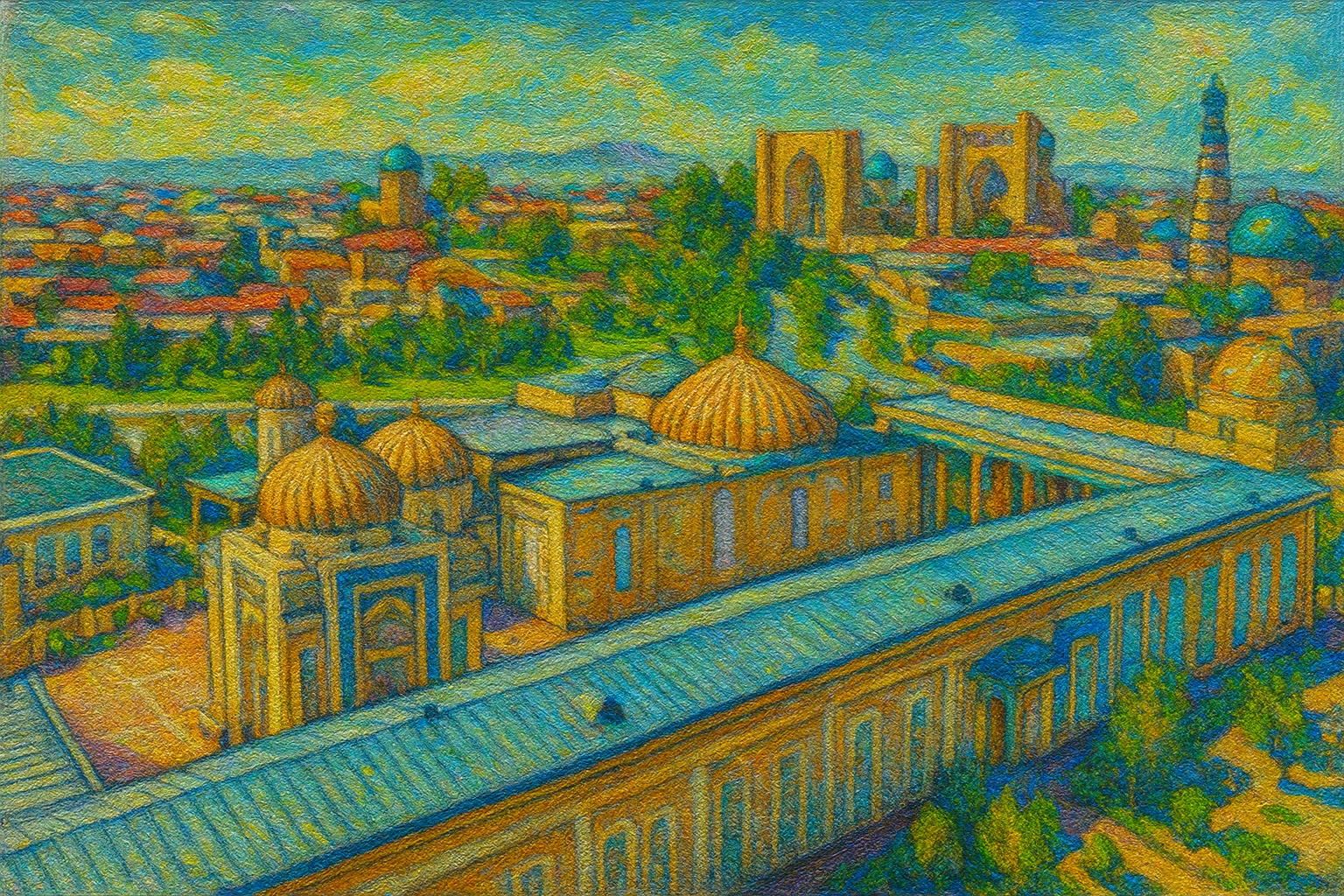
Khazrat-Khizr Mosque
Perched on a hill, this mosque breathes with the wind and overlooks the city in quiet watchfulness. Visit during golden hour, it’s less about prayer, more about presence.
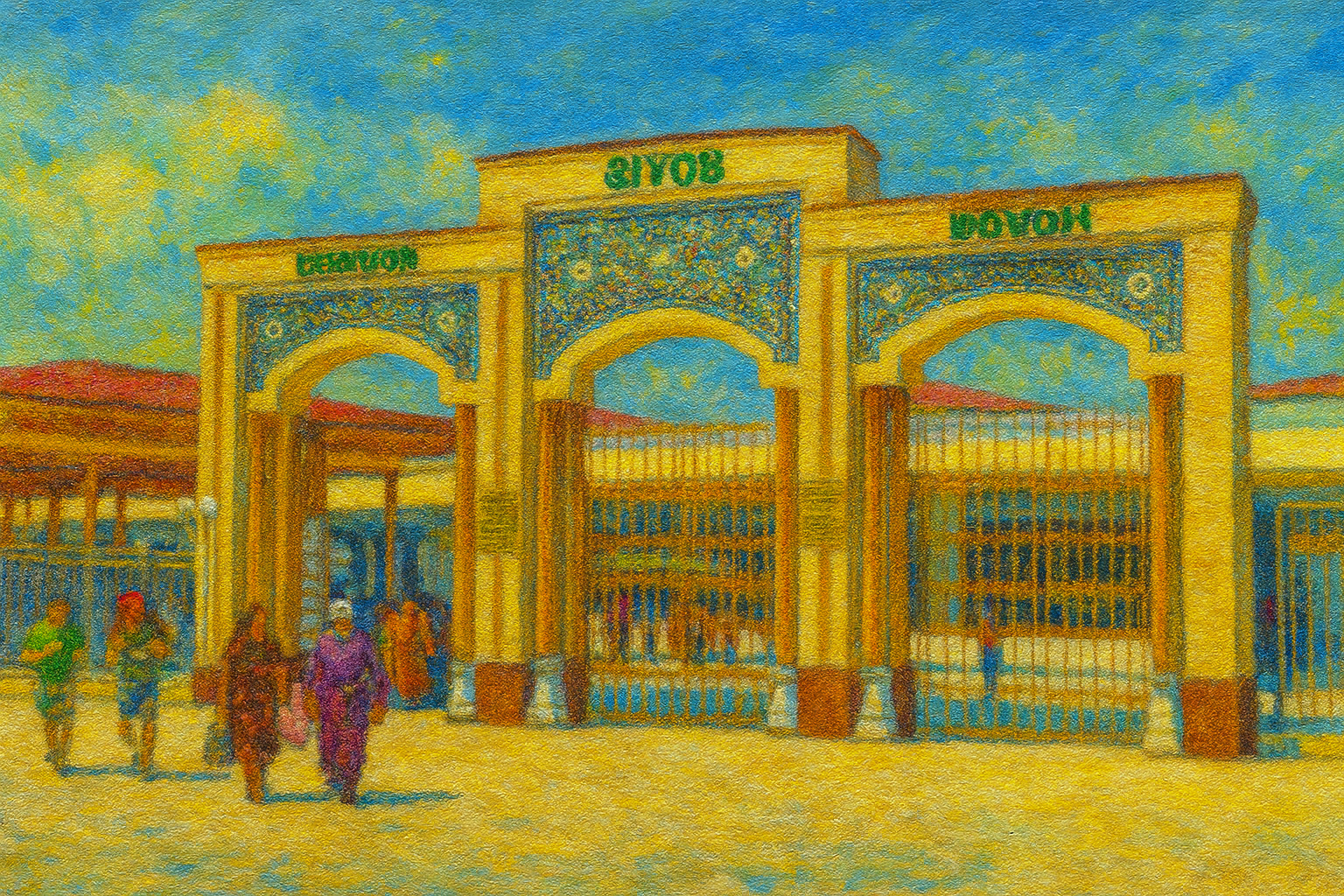
Siab Bazaar
Even in the hum of the market, a kind of flow exists.
Watch bread being made, smell spices, mindfulness isn't always found in silence.