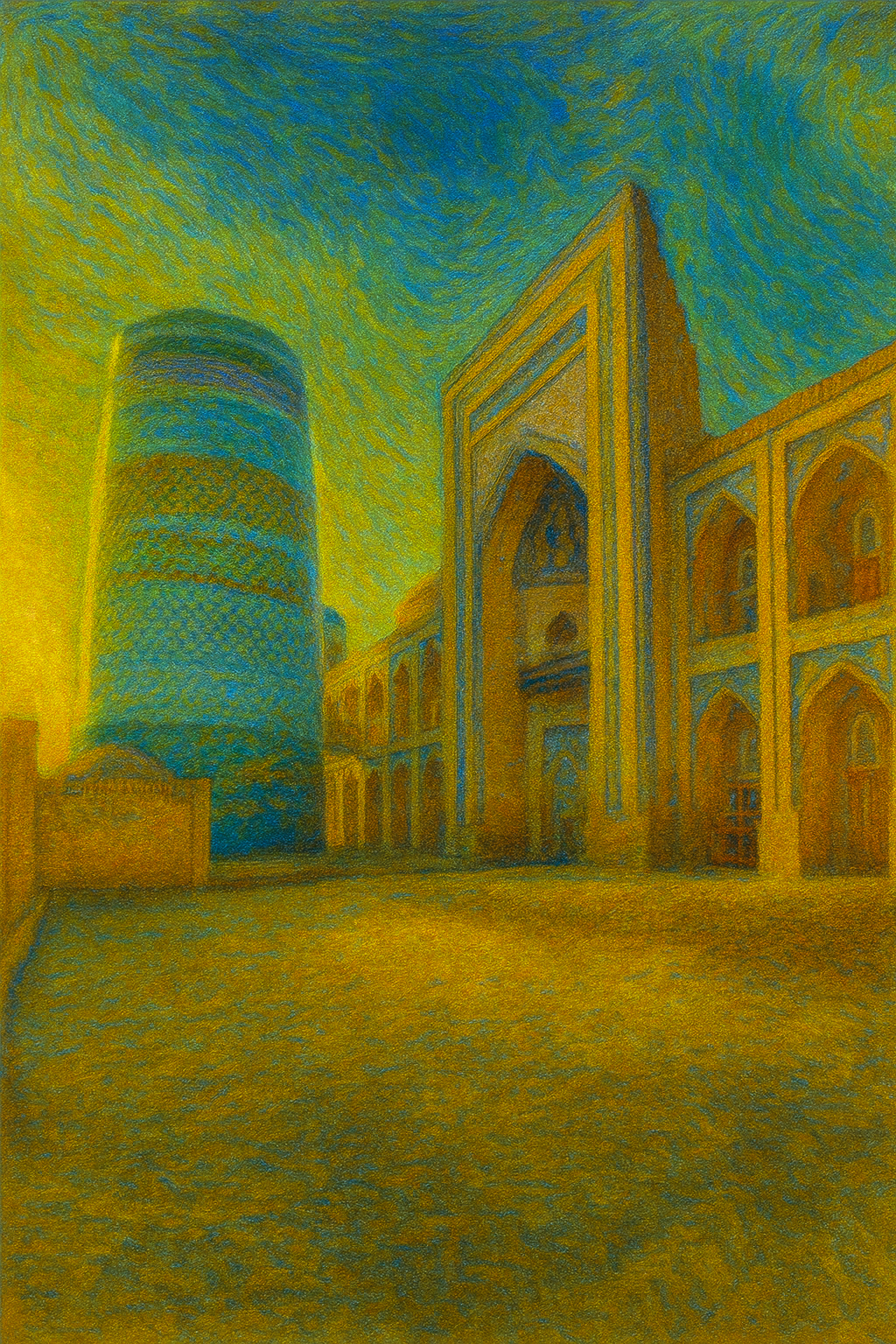
Kalta Minor Minaret
A symbol of Khiva, the Kalta Minor or & Short Minaret's stands incomplete yet unforgettable. Wrapped in mesmerizing turquoise and green tiles, its broad base and sudden halt mid-rise make it an architectural curiosity. Built in 1851, it was intended to be the tallest minaret in Central Asia but was left unfinished after the death of its patron.
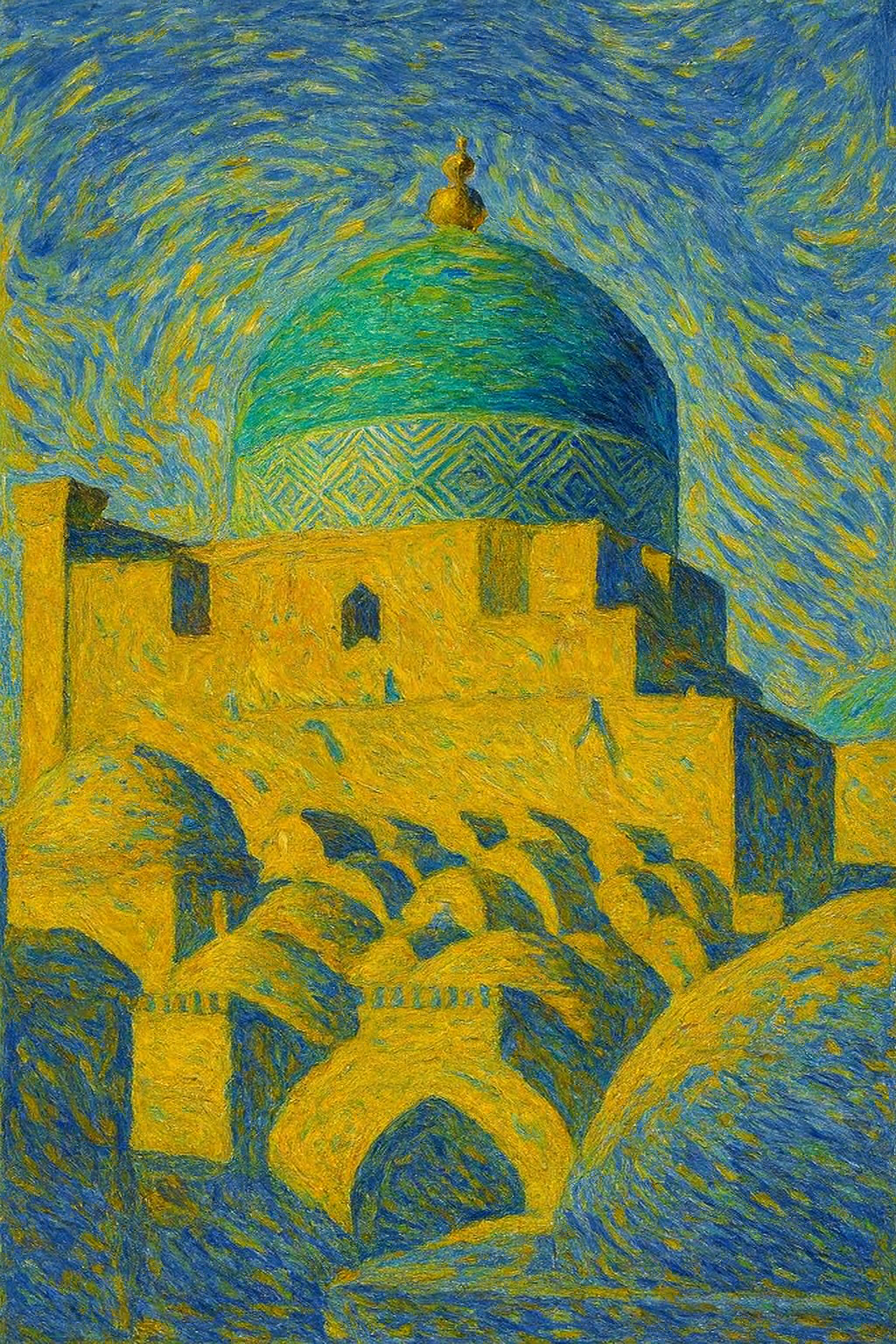
Juma Mosque
More than a mosque it's a forest of stillness. With nearly 200 carved wooden columns, each with its own unique design, the Juma Mosque dates back to the 10th century and was rebuilt in the 18th. Light filters in from openings above, casting sacred shadows and inviting quiet contemplation.
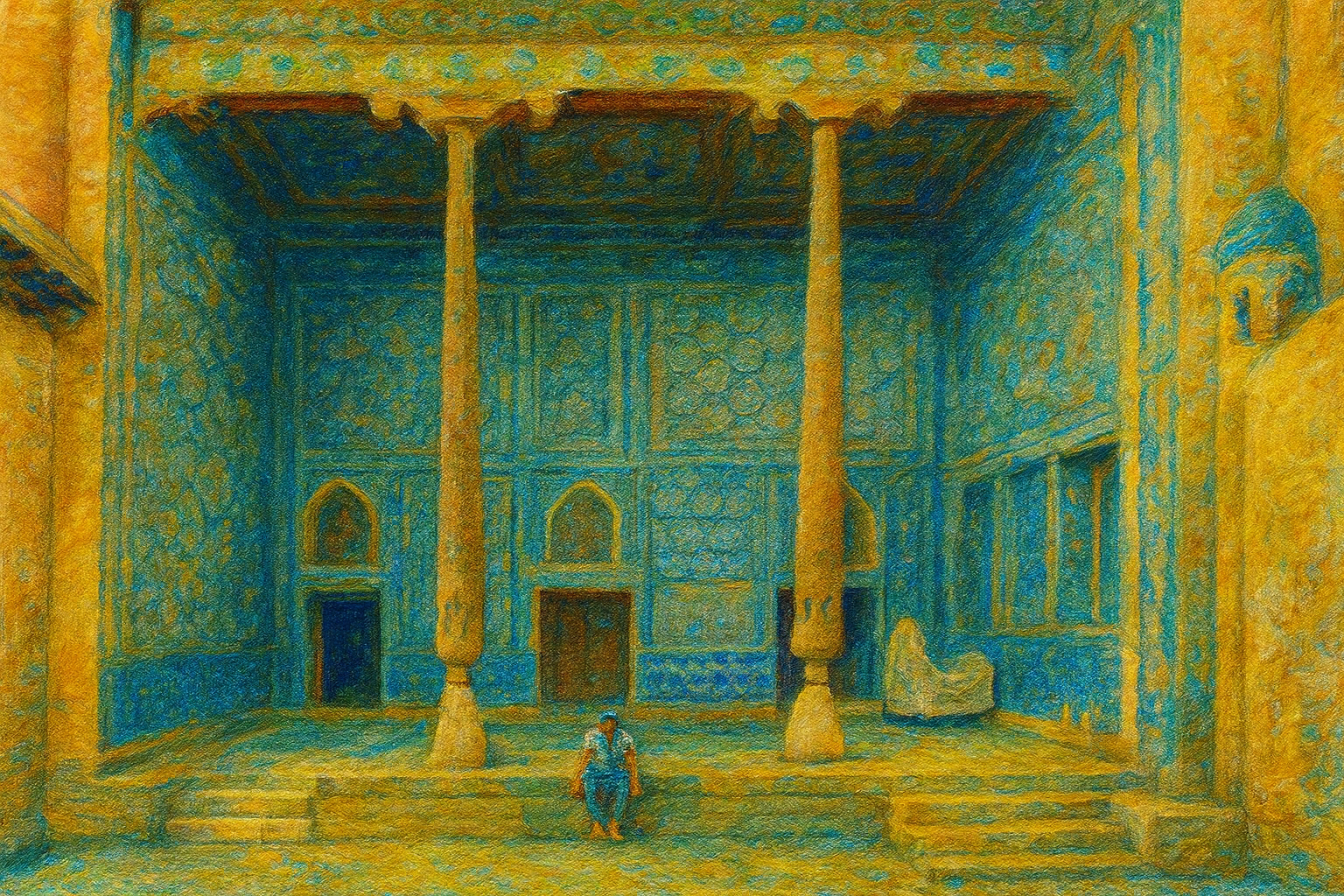
Tash Khauli Palace (Stone Palace)
Built as the royal residence of the Khivan khans, Tash Khauli stuns with its courtyards, reception halls, and ornate harem quarters. Every inch of its interior is covered in dazzling tilework, muqarnas, and lattice screens, a masterpiece of 19th-century Khorezm design. & Palace of Stone's is a humble name for something this magnificent.
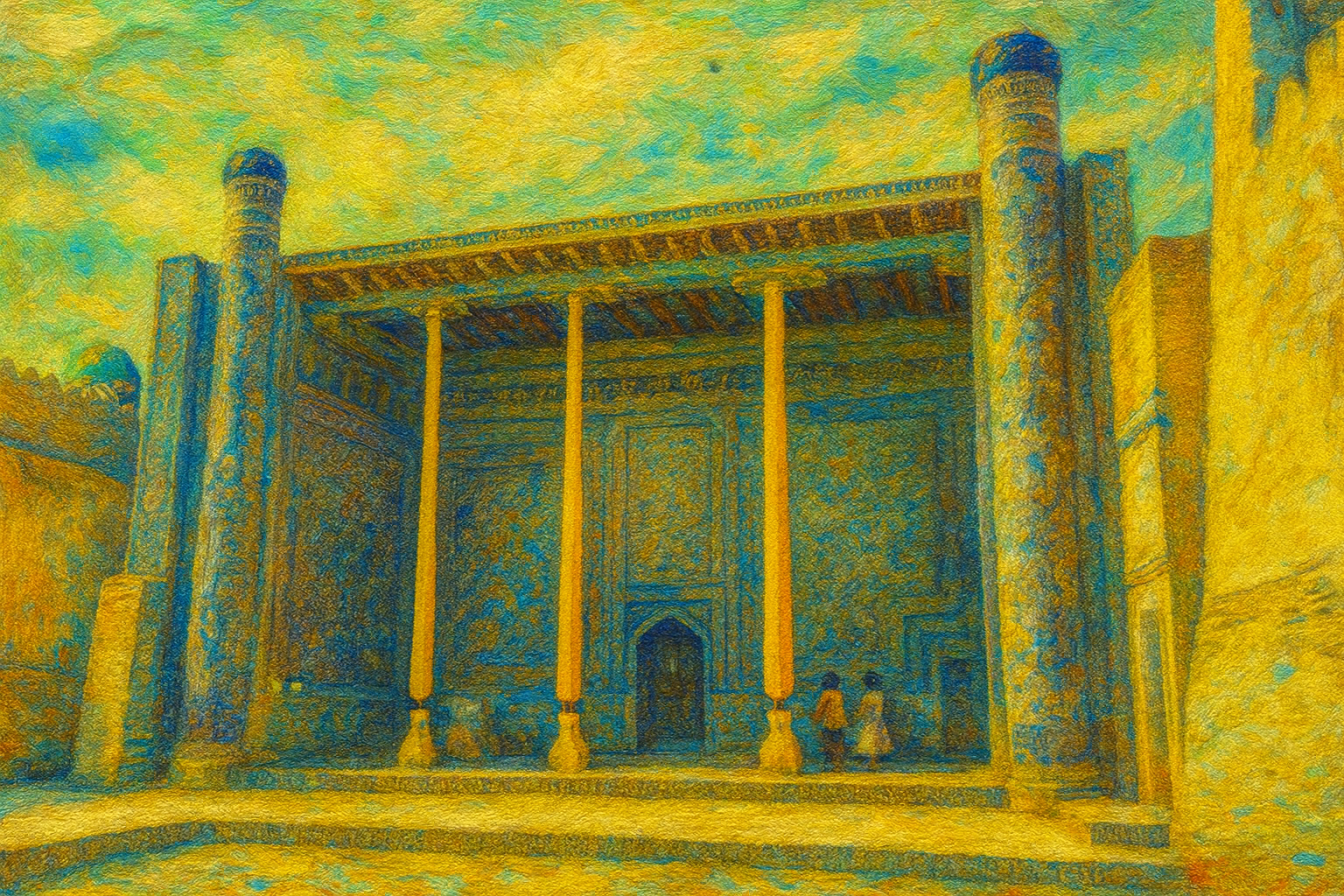
Kunya Ark (Old Fortress)
The Kunya Ark, meaning “Old Fortress,” served as the seat of Khiva’s rulers from the 17th century. Step inside to explore the khan’s throne room, the summer mosque with its brilliant blue ceilings, and climb to the watchtower for panoramic views over the old city. A fortress, but also a world of ceremonial power.
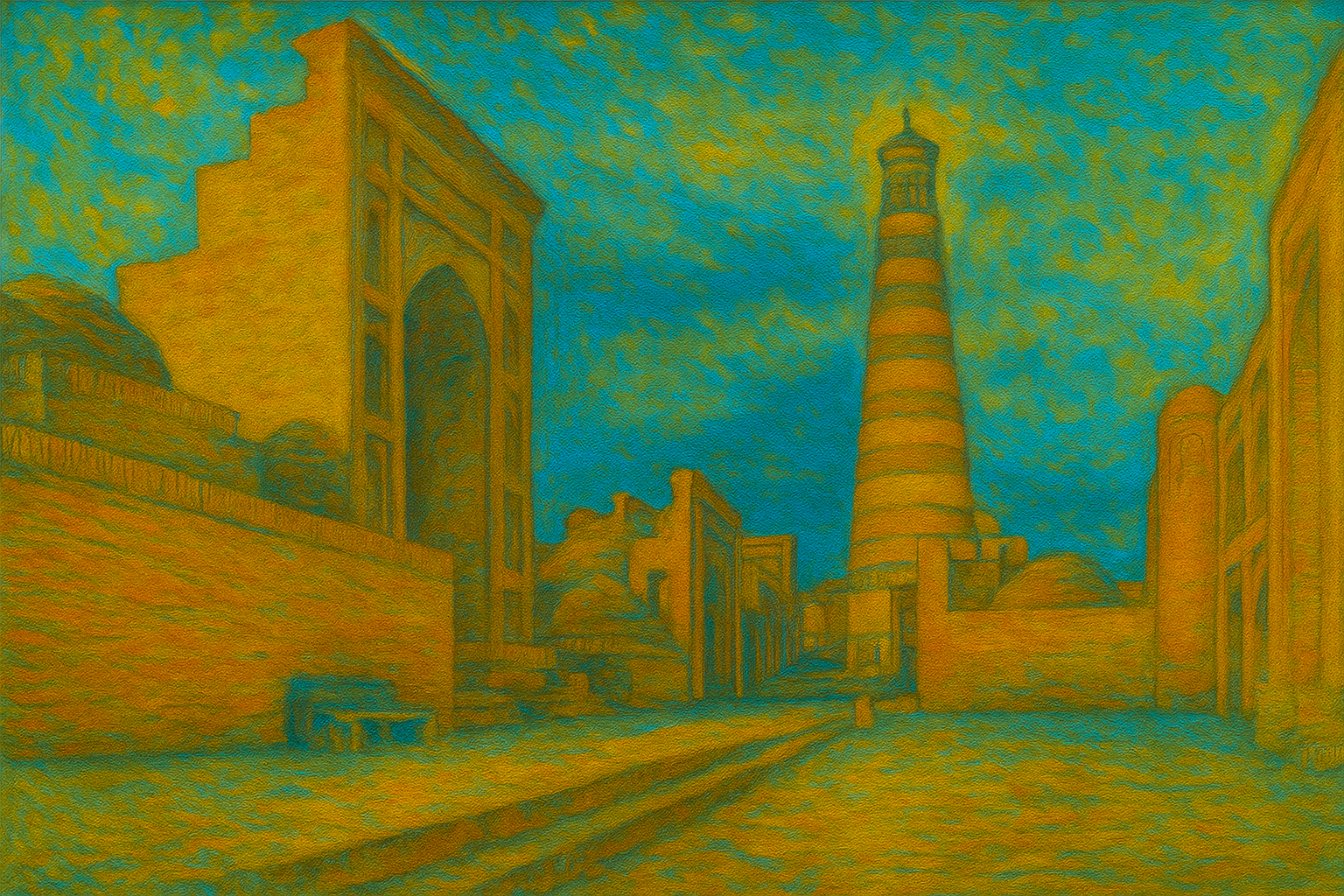
Islam Khoja Minaret & Madrasa
Soaring above Khiva’s skyline, the Islam Khoja Minaret is the city’s tallest a slender, elegant tower with alternating bands of color and texture. Climb its narrow staircase for sweeping views of Itchan Kala. The adjoining madrasa reflects a blend of traditional Khorezm style with touches of modernity from the early 20th century.
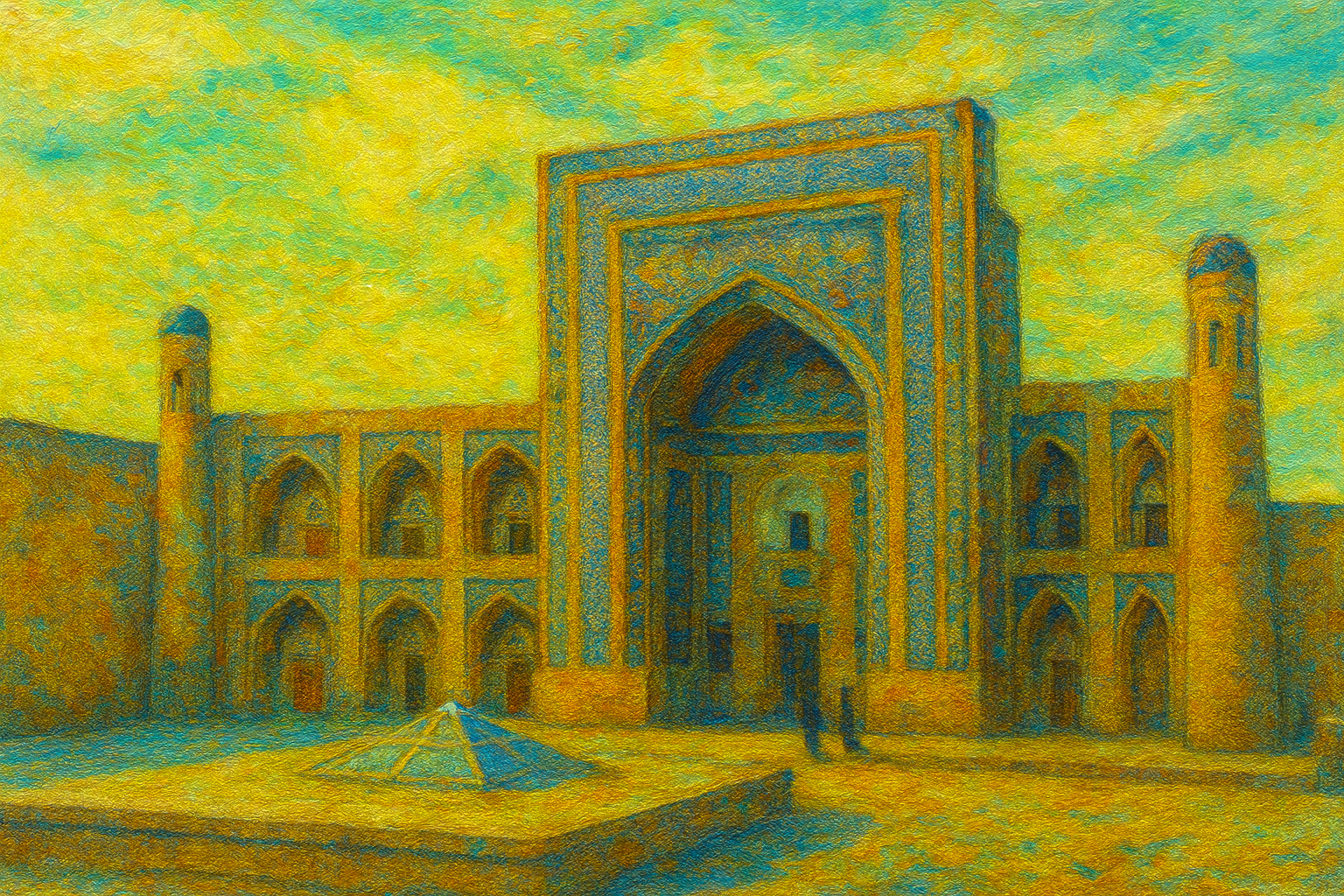
Allakuli Khan Madrasah
Built in the mid-1800s, this elegant madrasah sits beside Khiva’s bustling bazaar. Known for its harmonious proportions and classic portal, it once served as a religious school. Its location and symmetry make it one of the architectural highlights of the city.
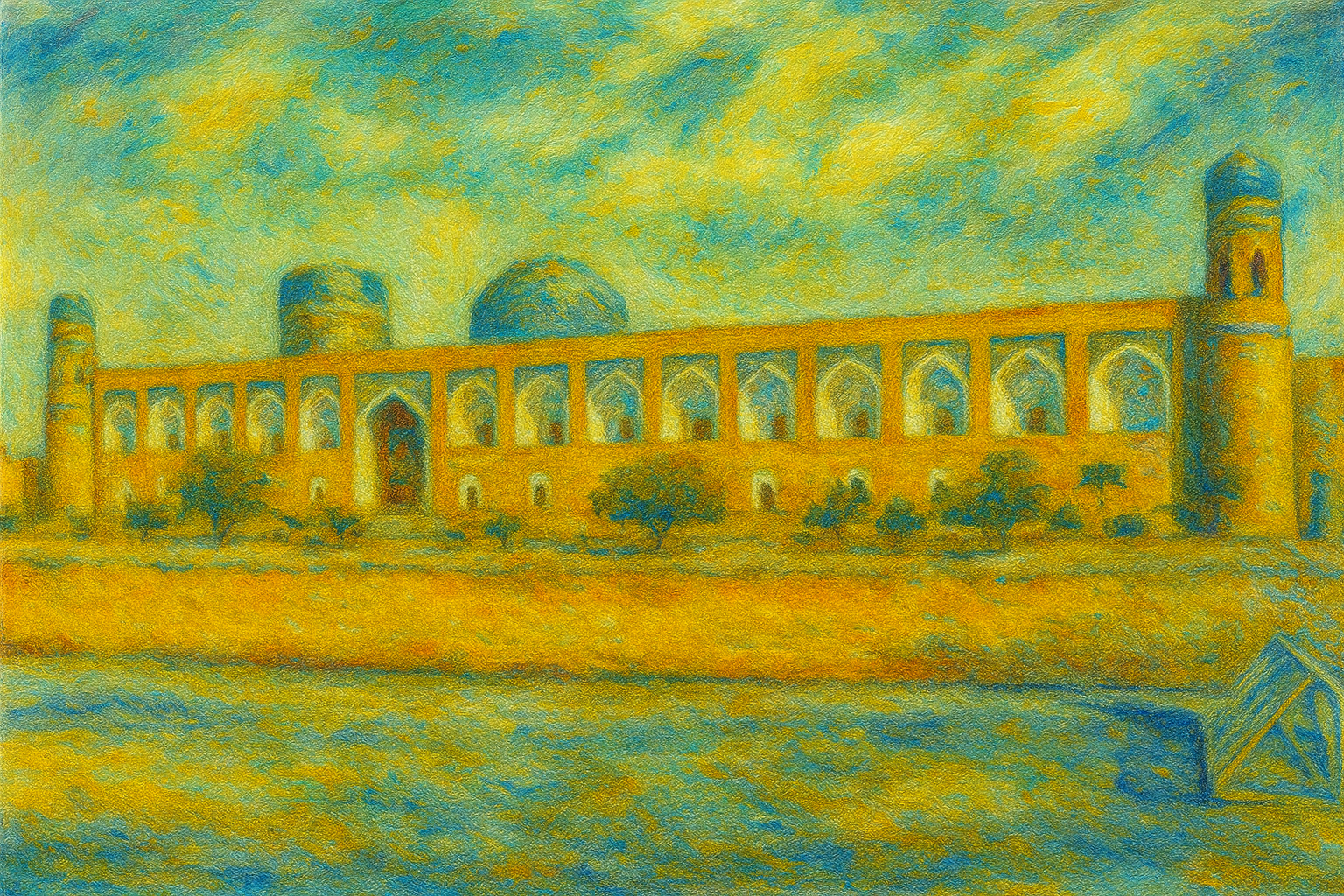
Muhammad Amin Khan Madrasah
One of the largest madrasahs in Central Asia, this structure dominates the western gate of Itchan Kala. Built in 1855, it once housed over 250 students. Today, its sturdy presence has been reimagined into a hotel, blending history with hospitality while preserving its majestic facade.
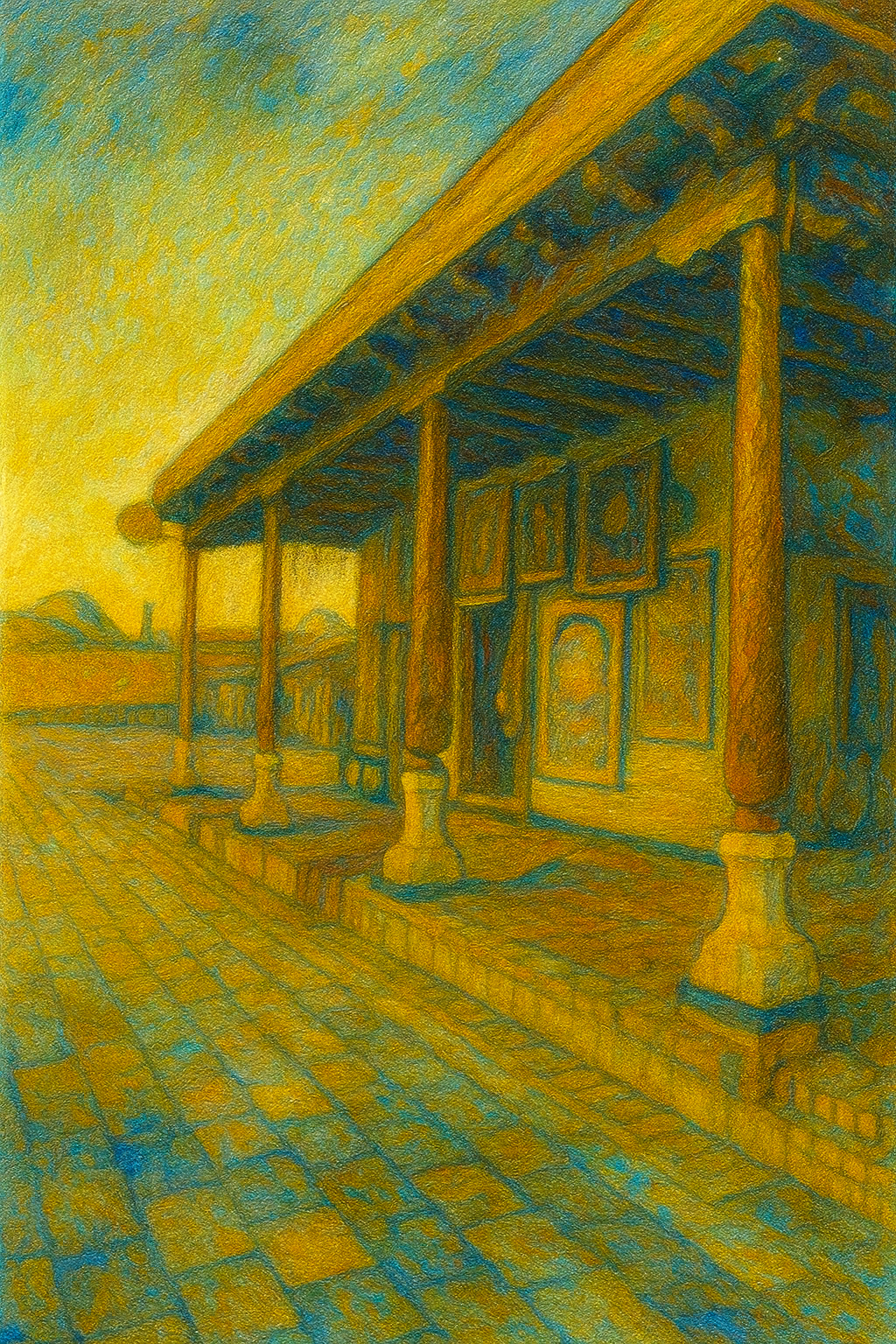
Caravanserai and Trading Domes
Once the bustling heart of Silk Road commerce, Khiva’s caravanserais and domed trading centers offered rest to weary merchants and space for lively exchange. Today, they serve a different purpose housing artisans, calligraphers, and souvenir sellers. Walking through them gives you a sense of the city’s mercantile soul, where trade met culture under ancient arches and cool domes.
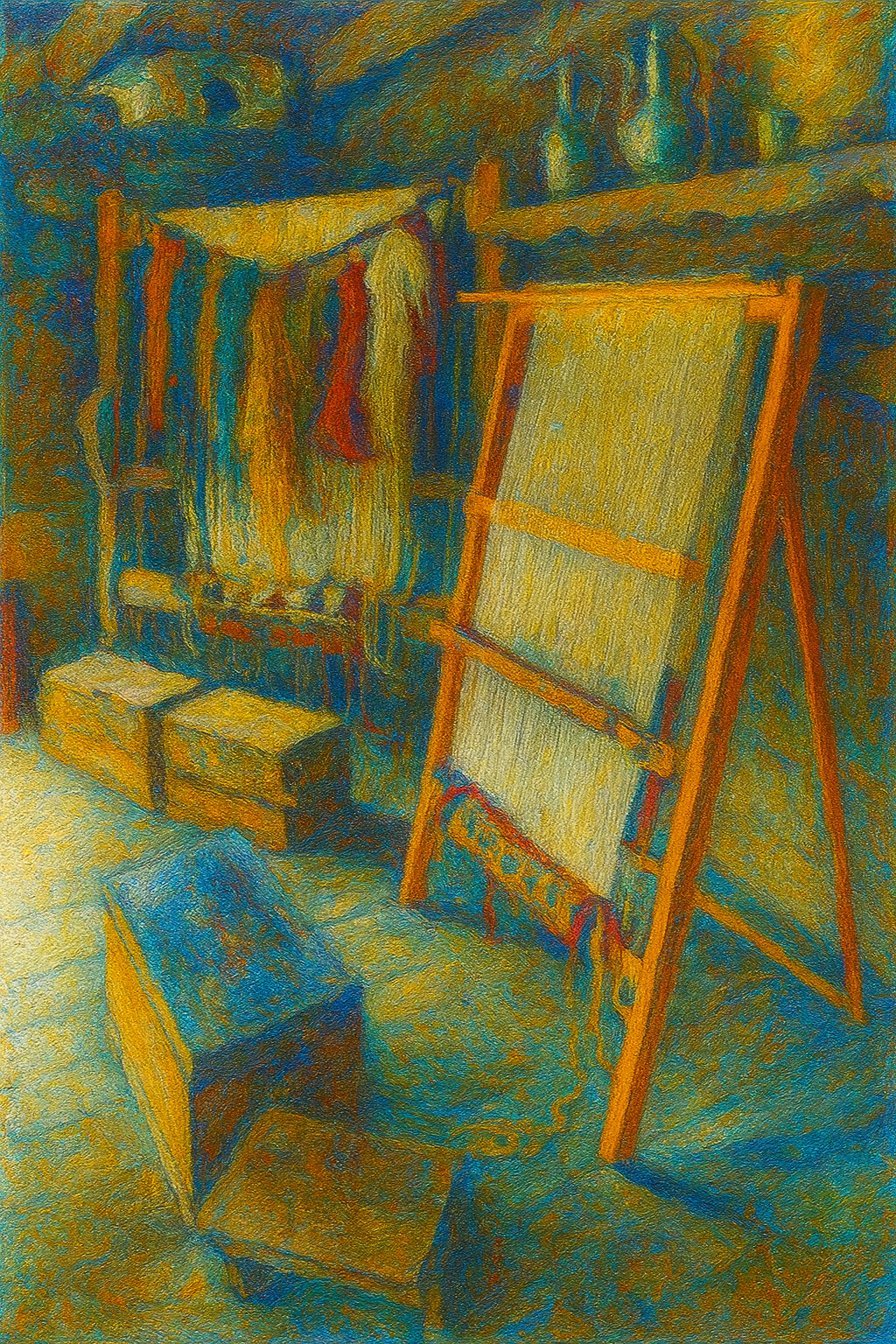
Local Craft Shops & Weaving Centers
Khiva’s creative spirit lives on in its carpet weavers, embroidery artisans, and wood carvers who carry forward centuries-old traditions. Inside small courtyards or shaded madrasa nooks, you’ll find local women crafting hand-woven silk, master carvers shaping intricate patterns, and families who’ve passed their skills down for generations. Each piece tells a story not mass produced, but made with time, soul, and history.
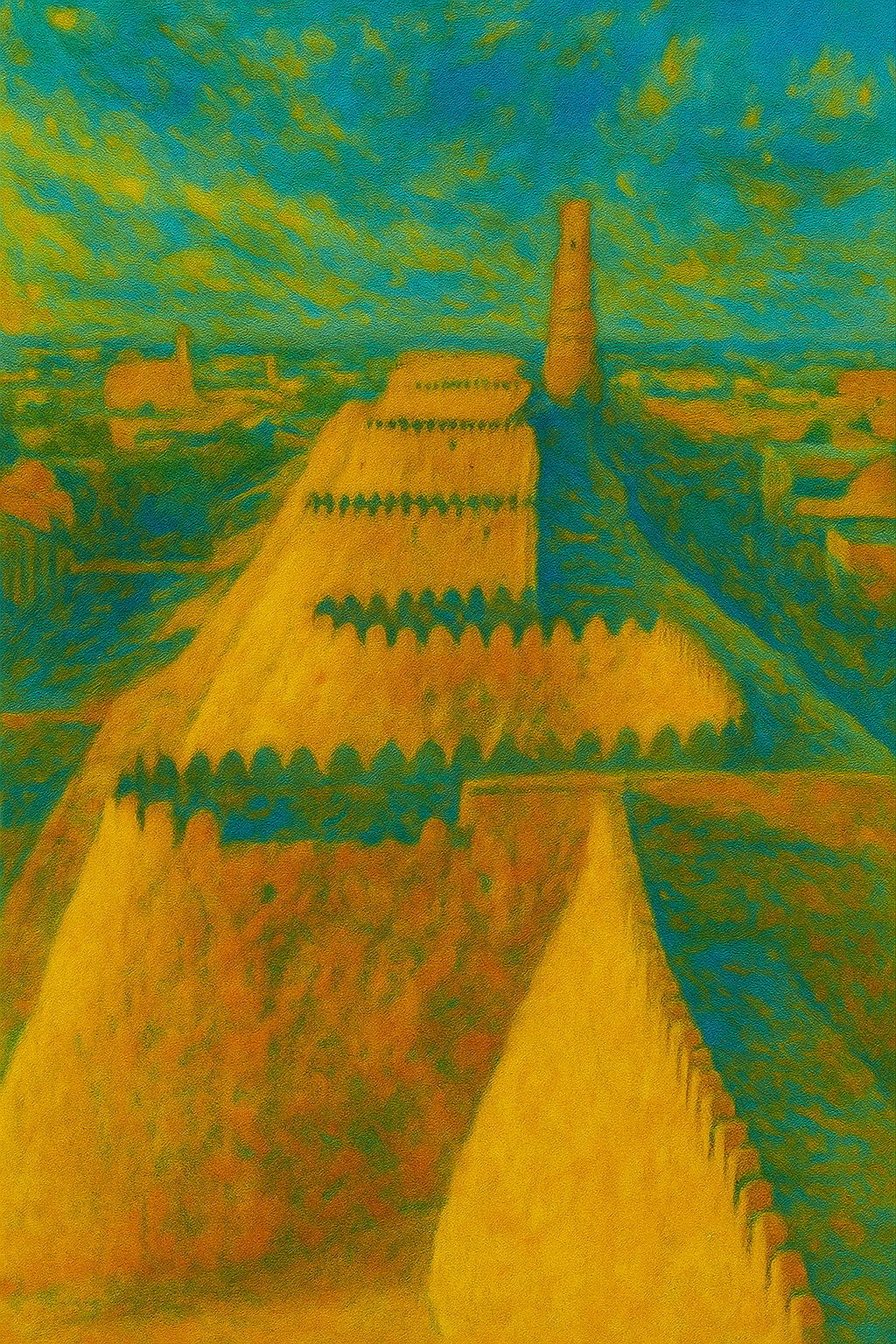
Khiva City Walls Walk
Encircling Itchan Kala like an ancient shield, Khiva’s fortress walls are more than defensive structures they offer perspective, both literal and symbolic. Walking along the top (especially at sunrise or sunset) provides a panoramic view of the city’s timeless geometry the minarets, domes, and courtyards aligned like pieces in a historical puzzle. It’s a moment of stillness above the noise, a reminder of Khiva’s resilience and architectural grace.
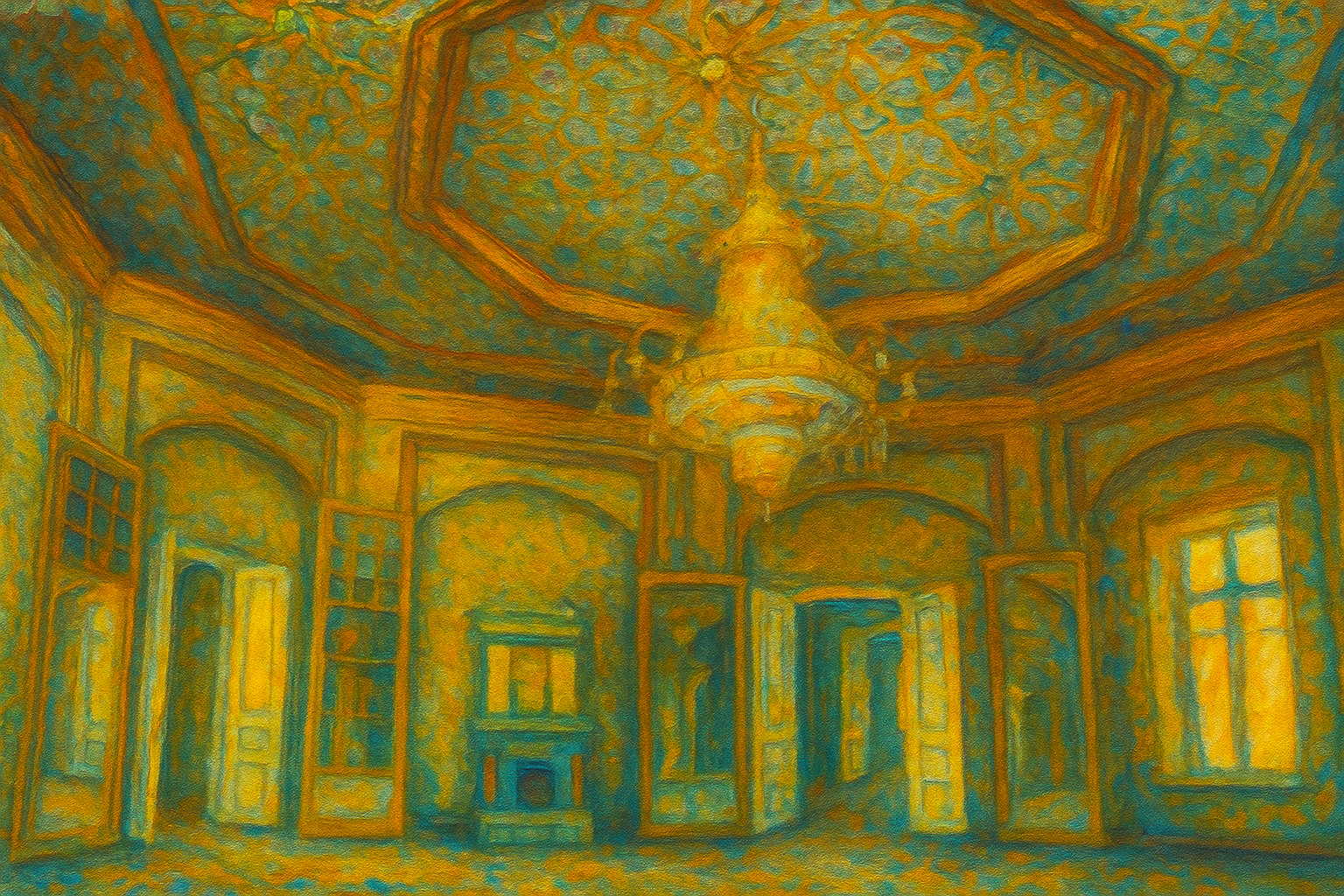
Isfandiyar Palace
Located just outside the walled city, Isfandiyar Palace is a hidden gem that reveals a very different side of Khiva’s history. Built in the early 20th century during a time of Russian influence, the palace blends European baroque features with traditional Uzbek design. Its mirrored halls, stucco ceilings, and mosaic details reflect the shifting political and artistic tastes of Khiva’s elite, a unique contrast to the mud-brick elegance of Itchan Kala.
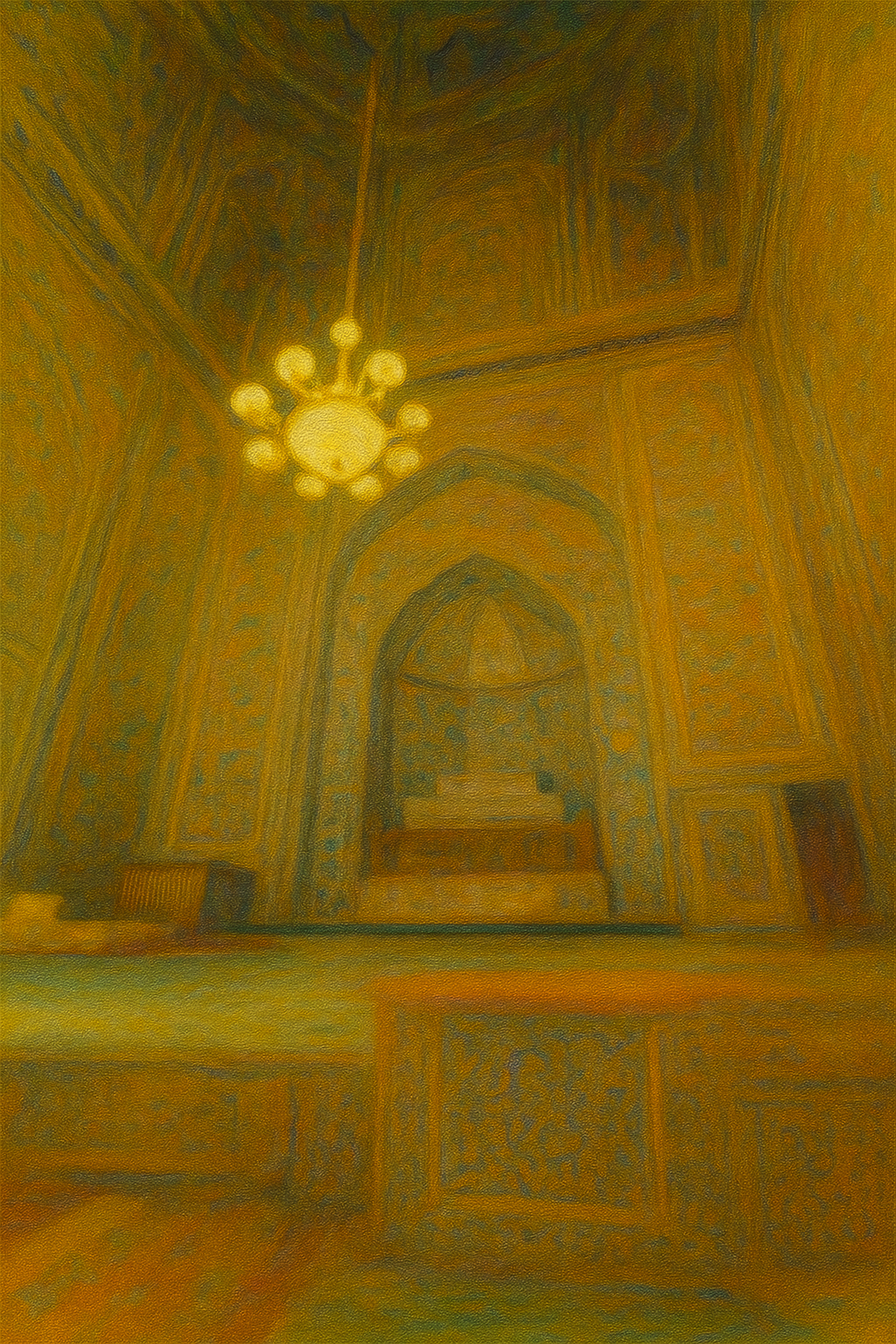
Pakhlavan Makhmud Mausoleum
Khiva’s most revered Sufi poet and warrior saint. His tomb is a spiritual pilgrimage site and known for its calm, reverent energy.
Juma Mosque
Though more architectural, its hushed interior and forest of wooden pillars give it a meditative, Sufi-like atmosphere.
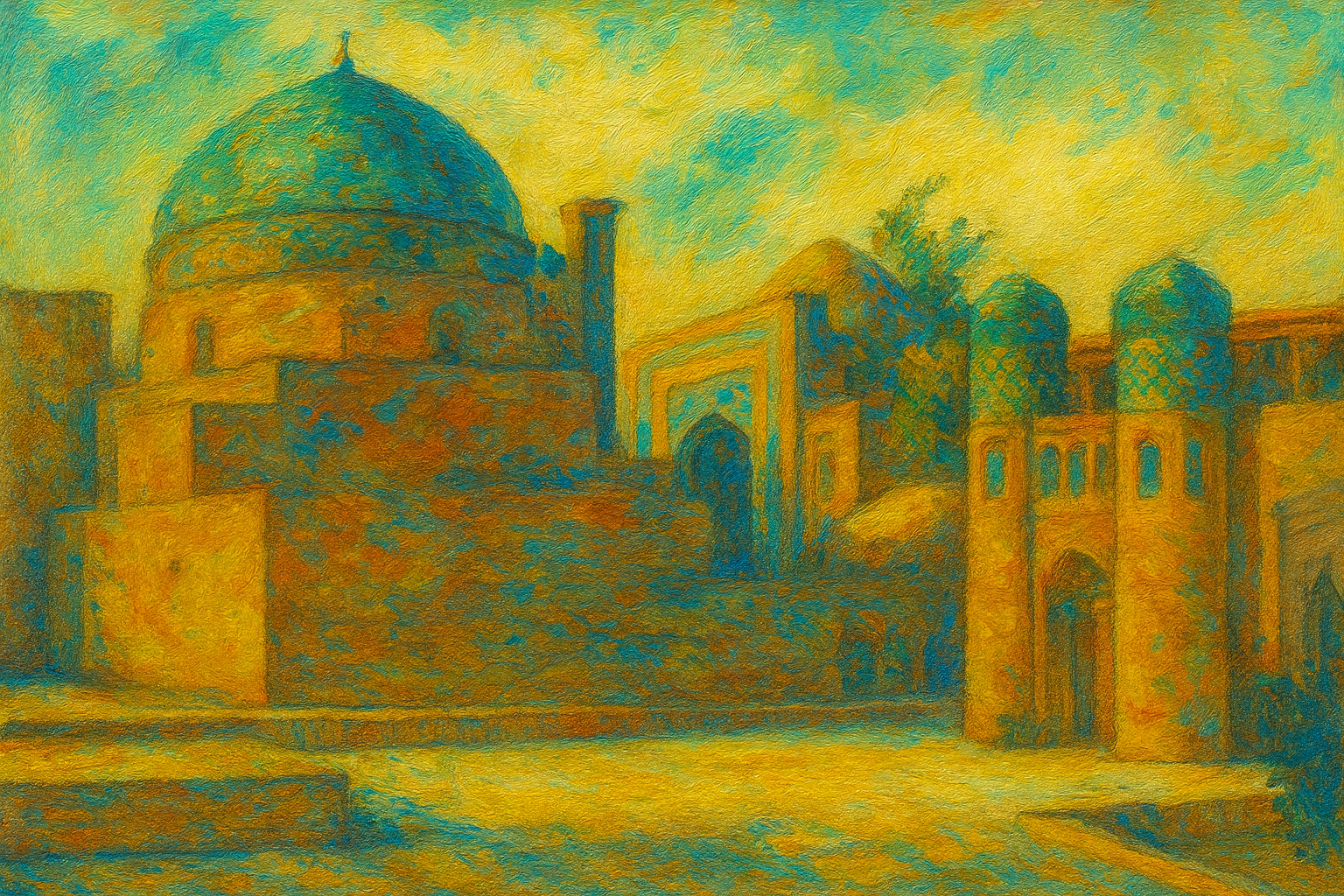
Sayid Alauddin Mausoleum
A quiet, lesser-visited shrine located near the eastern gate of Itchan Kala. Dedicated to a 14th-century Sufi sheikh, it holds a humble charm with faded tilework and peaceful surroundings ideal for spiritual reflection without the crowds.
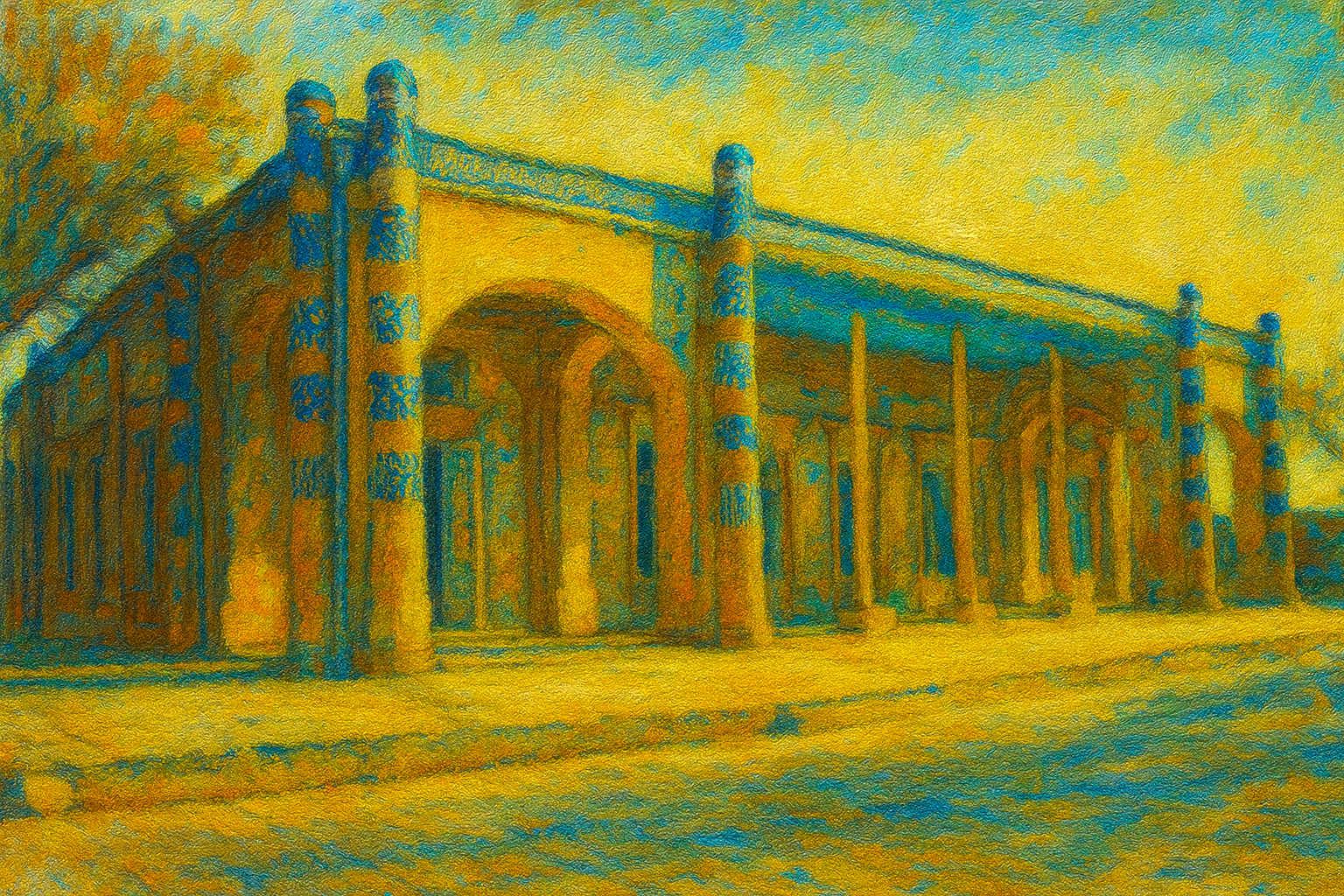
Nurullabay Palace Garden (outside Itchan Kala)
A tranquil palace garden belonging to the Nurullabay Palace (located near the Isfandiyar Palace). If accessible, this space offers calm, greenery, and escape from the architectural intensity of central Khiva. Great for travelers seeking peace in nature.
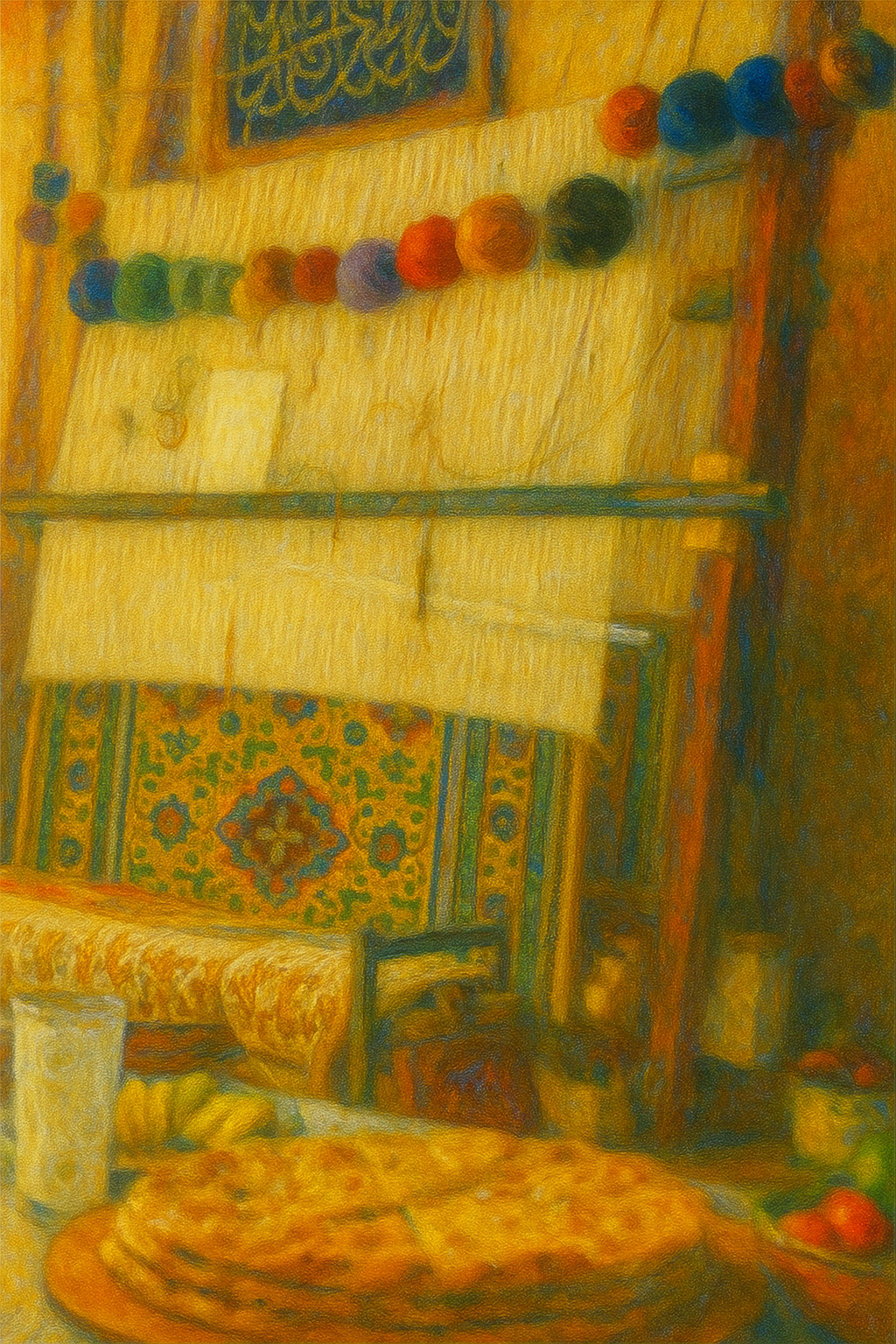
Women’s Handicraft Center (inside Itchan Kala)
Though cultural in nature, this space exudes soft energy. Seeing women working on embroidery or carpet weaving in silence can be oddly meditative it aligns with the conscious traveler's appreciation for slow, intentional work and legacy.
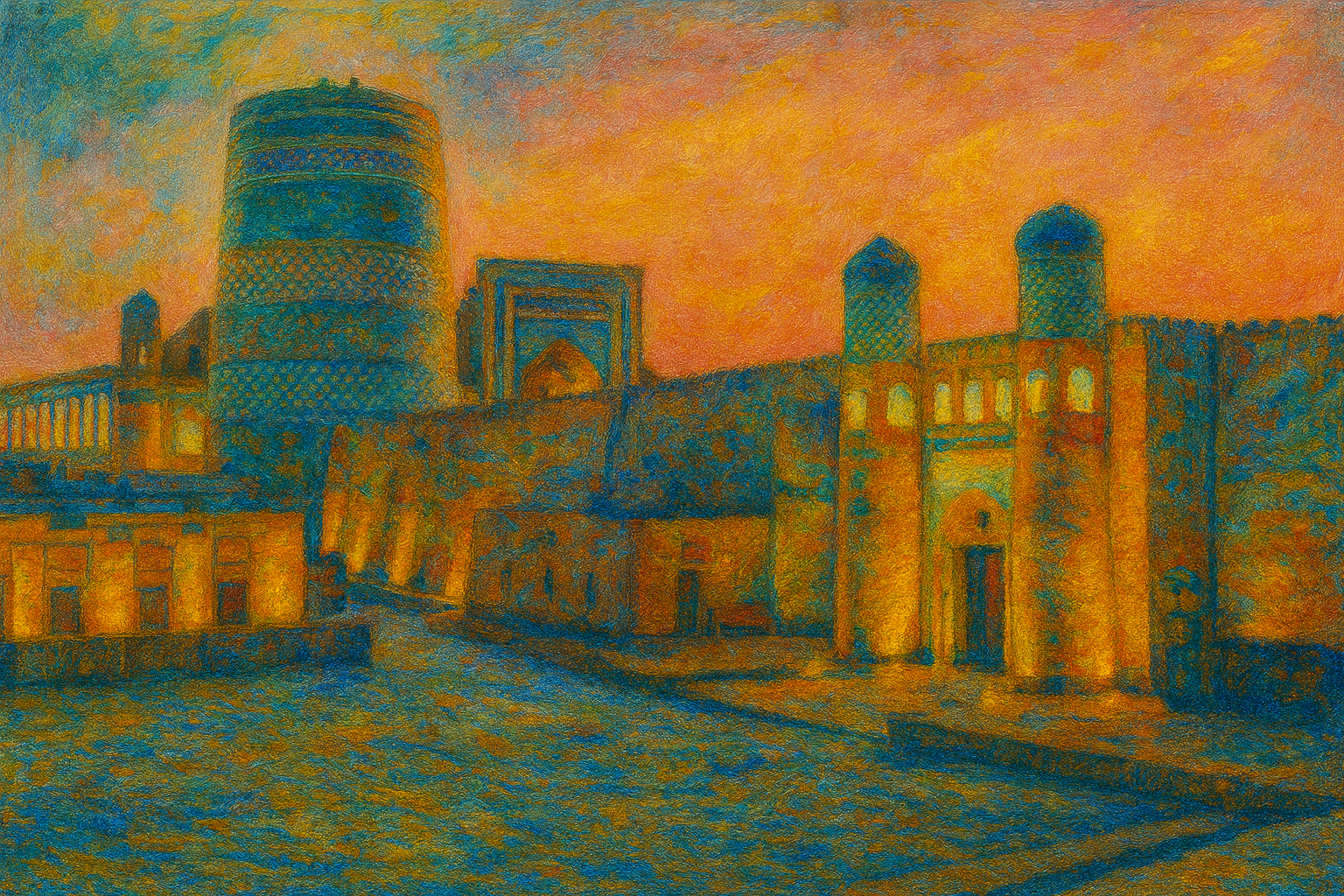
Evening Call to Prayer in Itchan Kala
This isn’t a fixed "place," but the experience of standing in the Itchan Kala during the adhan (call to prayer) at dusk or dawn is profoundly grounding. The echo of the muezzin through the mud-brick walls and quiet streets is spiritual in itself.