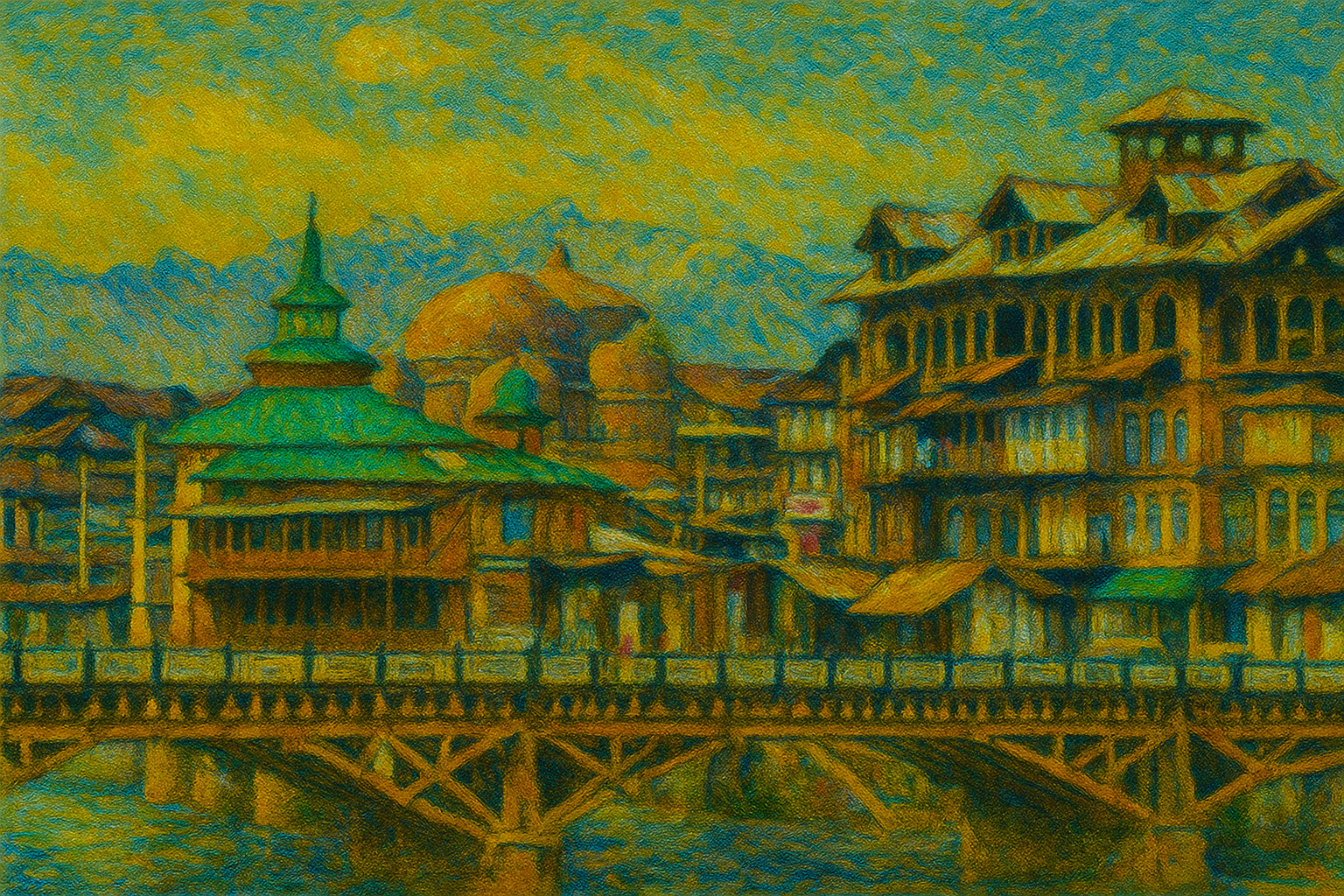
Srinagar Heritage Walk
Step into the heart of Srinagar’s Old City, where winding alleys, wooden lattice houses, and centuries-old mosques whisper stories of Kashmir’s glorious past. A heritage walk here is not just a stroll it’s an immersion into the art, culture, and living traditions that make Srinagar a timeless city on the Silk Route.
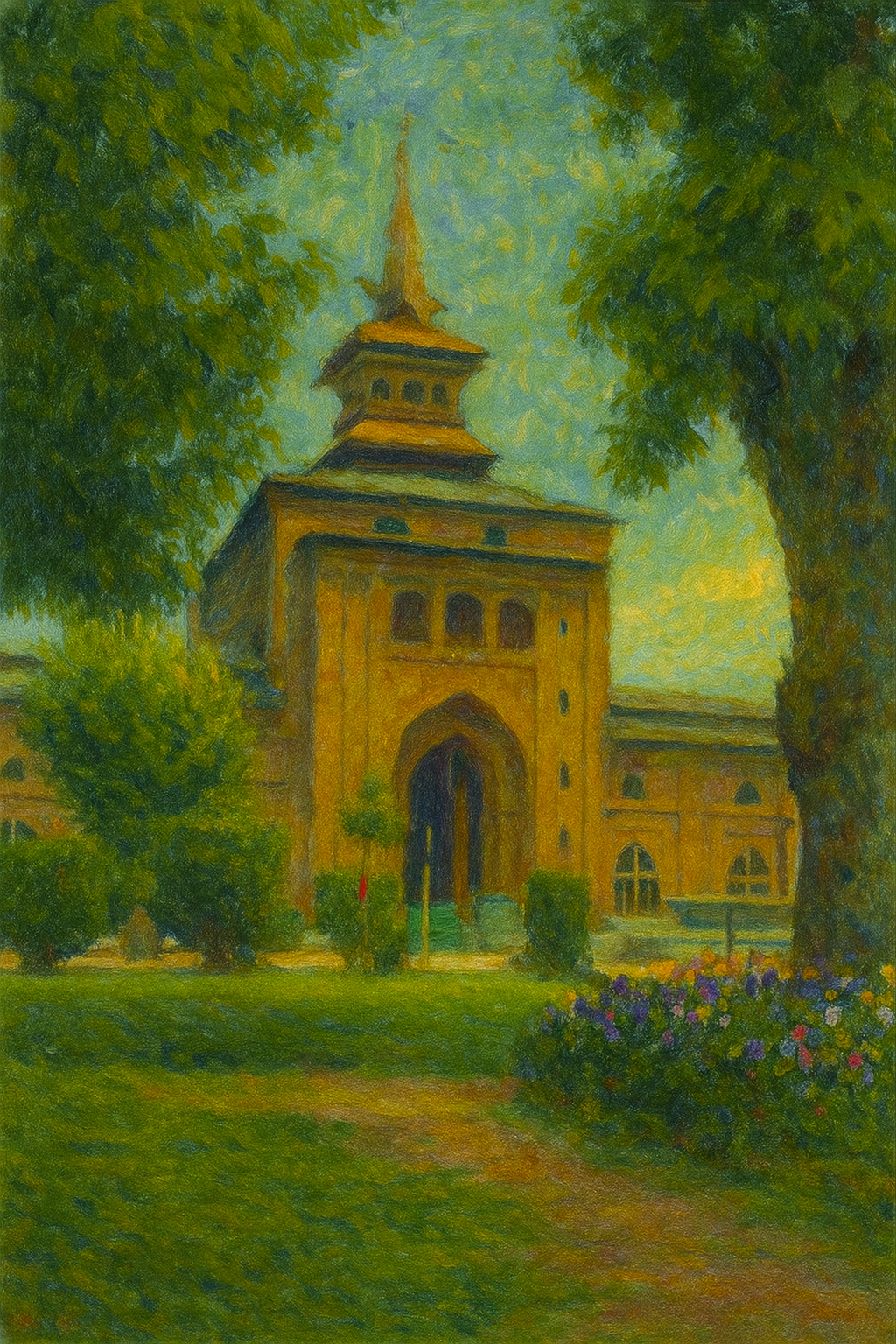
Jamia Masjid, Srinagar
Tucked into the bustle of Nowhatta, Jamia Masjid is an emblem of spiritual grace and political presence. Its Indo-Saracenic design, grand courtyard, and forest of 378 wooden columns give it a temple-like tranquility, despite standing in the eye of Kashmir’s many storms.
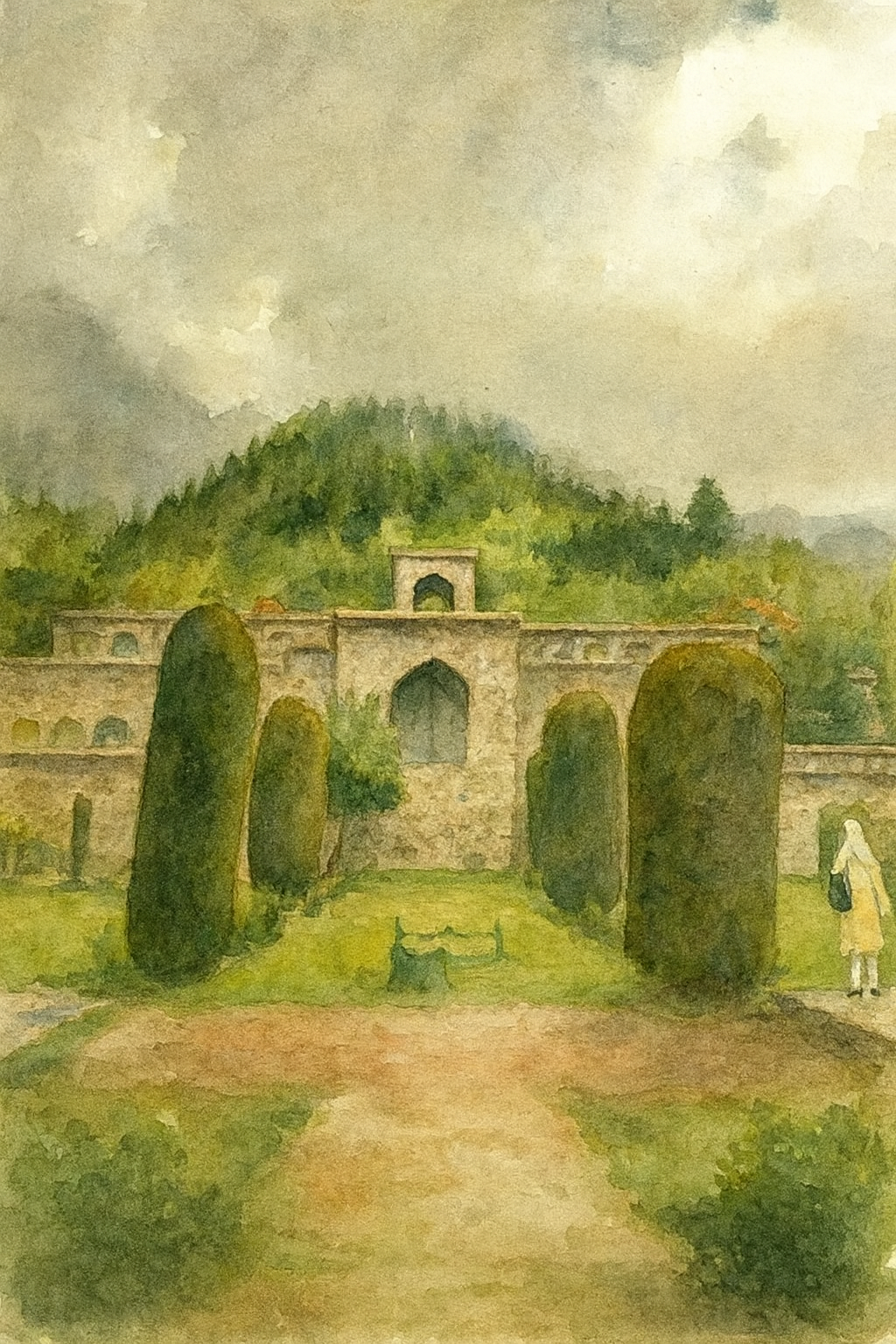
Pari Mahal
A celestial hideaway above Dal Lake, Pari Mahal was once an observatory and Sufi school built by Dara Shikoh. Its terraced Mughal gardens feel like steps toward the cosmos—ideal for stargazers, seekers, and poets of all kinds.
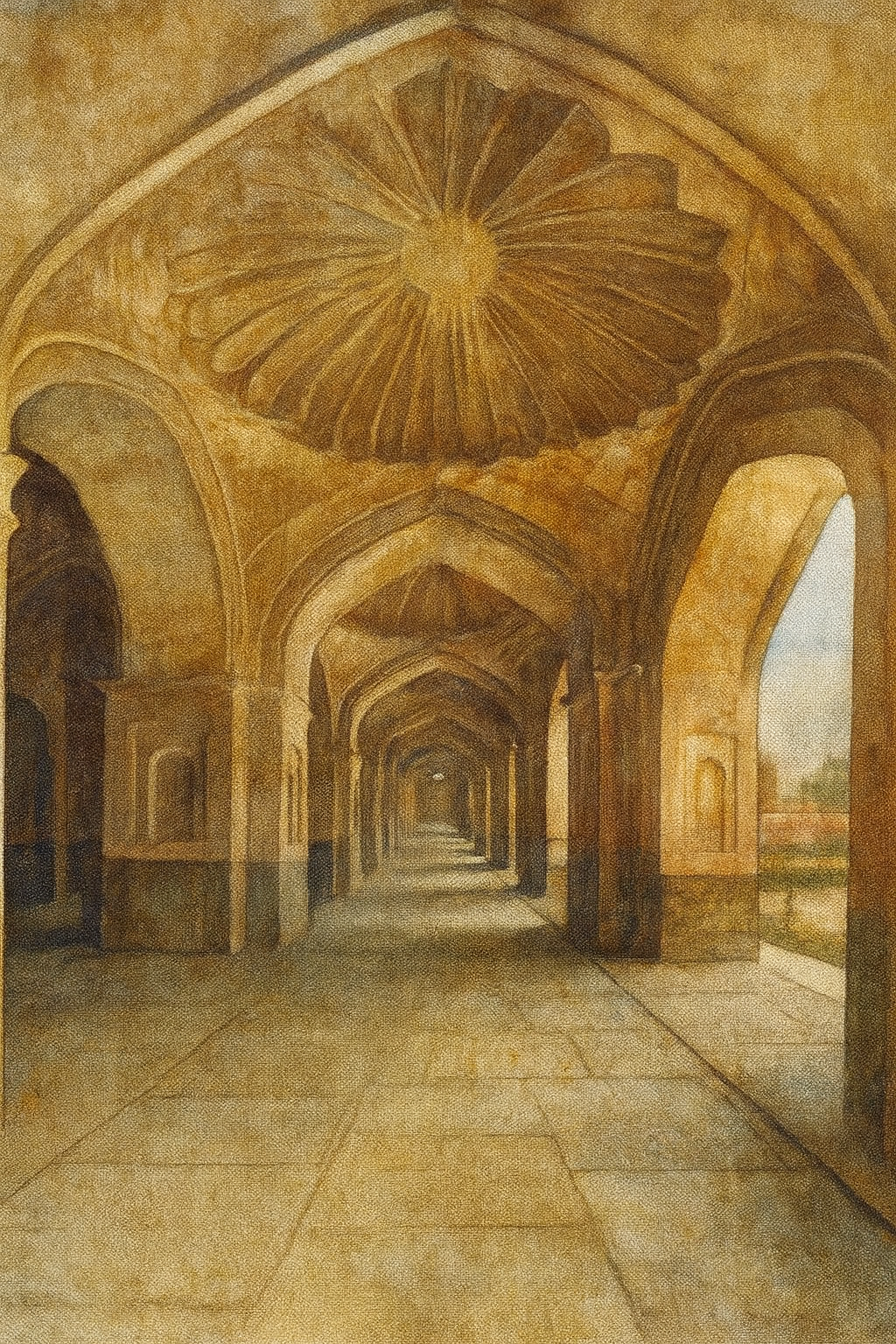
Pathar Masjid
Built in 1623 by Empress Noor Jahan, Pathar Masjid stands out in Srinagar with its grey limestone structure and sharp arches unlike the region’s traditional wooden mosques. Lacking minarets, it reflects a quiet Mughal aesthetic and served more as an imperial statement than a religious center.
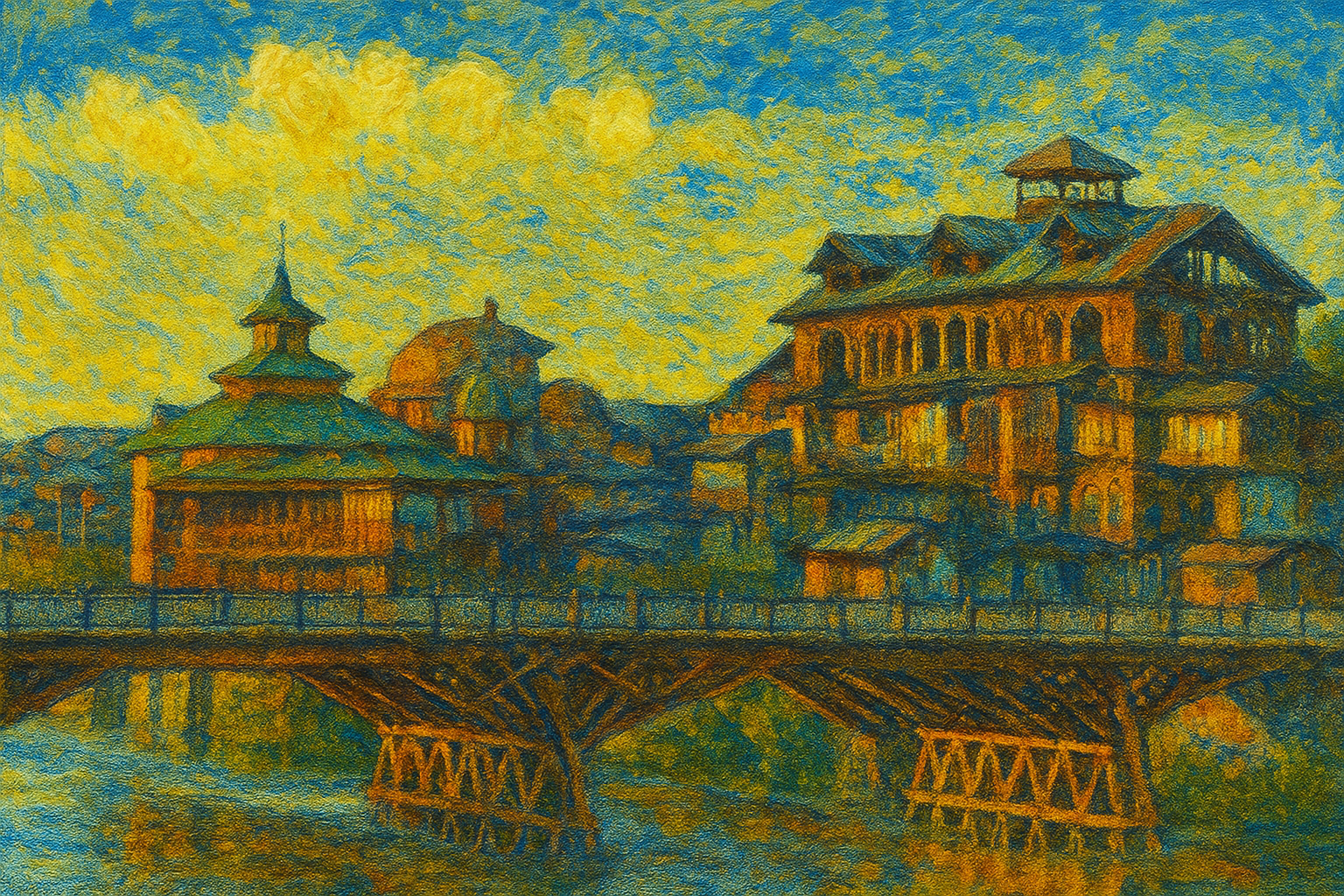
Downtown Srinagar
Walking through Zaina Kadal and across one of Kashmir’s oldest wooden bridges is like entering Srinagar’s living history. Built by Sultan Zain-ul-Abidin, the area is lined with carved wooden houses, narrow lanes, and echoes of medieval life, while Maharaj Gunj, once a Dogra-era trade hub, still bustles with shops and timeless architecture.
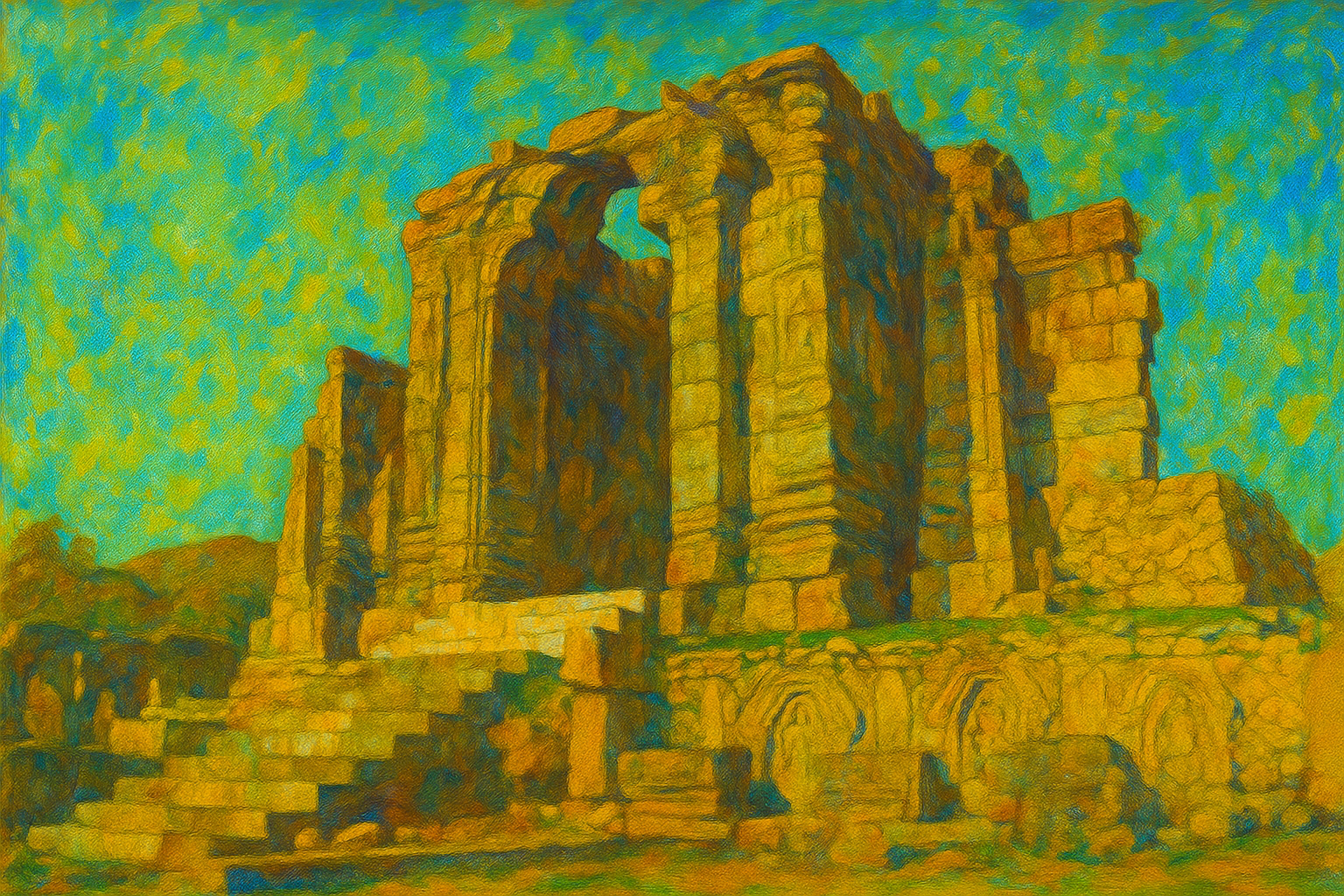
Martand Sun Temple
Perched on the plateau of Mattan in Anantnag, the Martand Sun Temple is among the most significant Hindu relics of Kashmir. Built in the 8th century by Lalitaditya Muktapida and dedicated to the Sun God, it reflects Kashmiri ingenuity and Hellenistic influence. Often called the Ephesus of Kashmir, its majestic ruins still echo the region’s pre-Islamic grandeur.
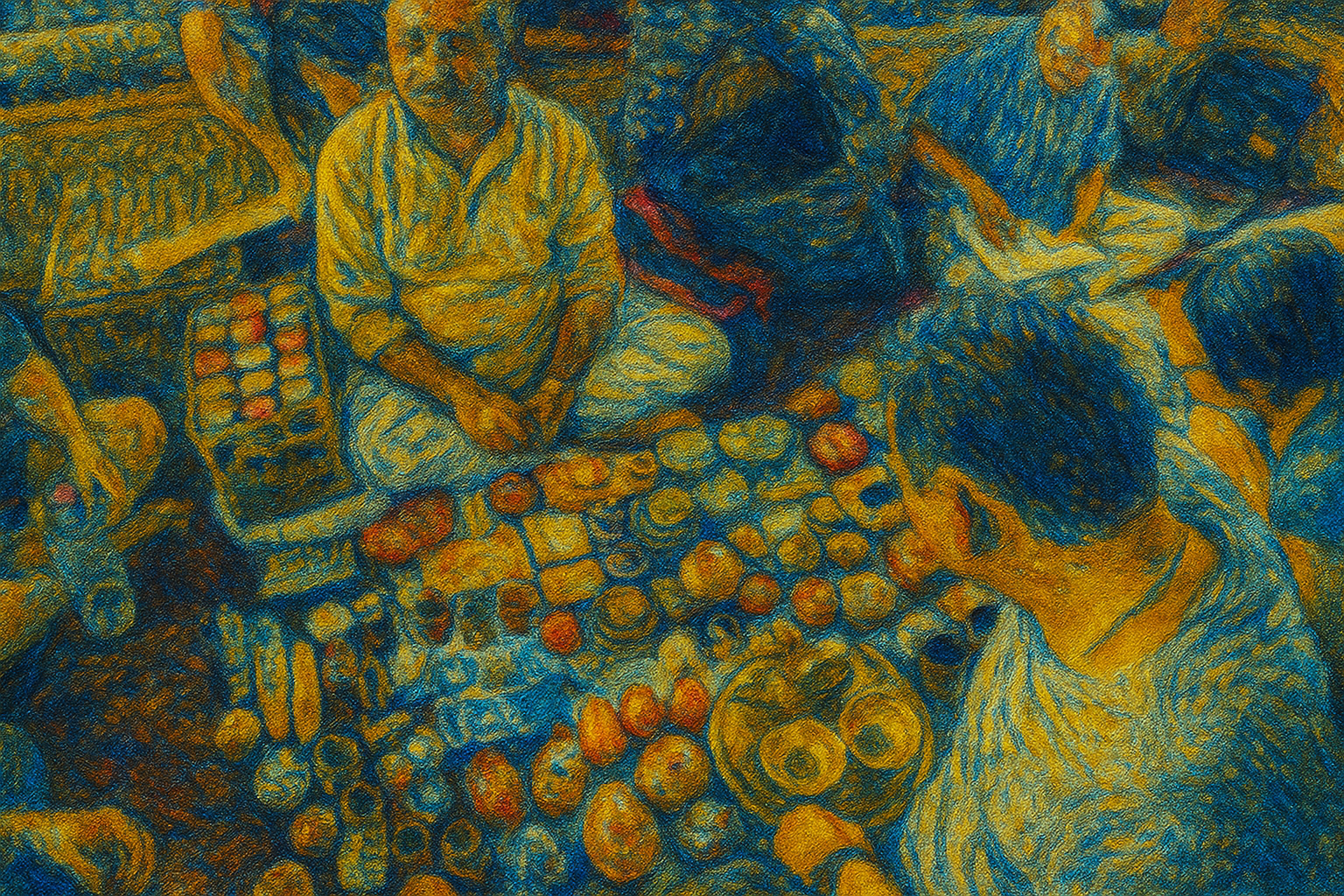
Papier Mache
The Painted Poetry of Kashmir. Kashmir’s famed papier-mâché art is more than ornamental it's a legacy of Persian influence carried through Mughal patronage. Crafted from humble paper pulp and transformed with intricate floral designs and gold leaf, each piece reflects patience, precision, and centuries of cultural refinement. Walk through ateliers in Downtown Srinagar to witness this slow art being kept alive, one brushstroke at a time.
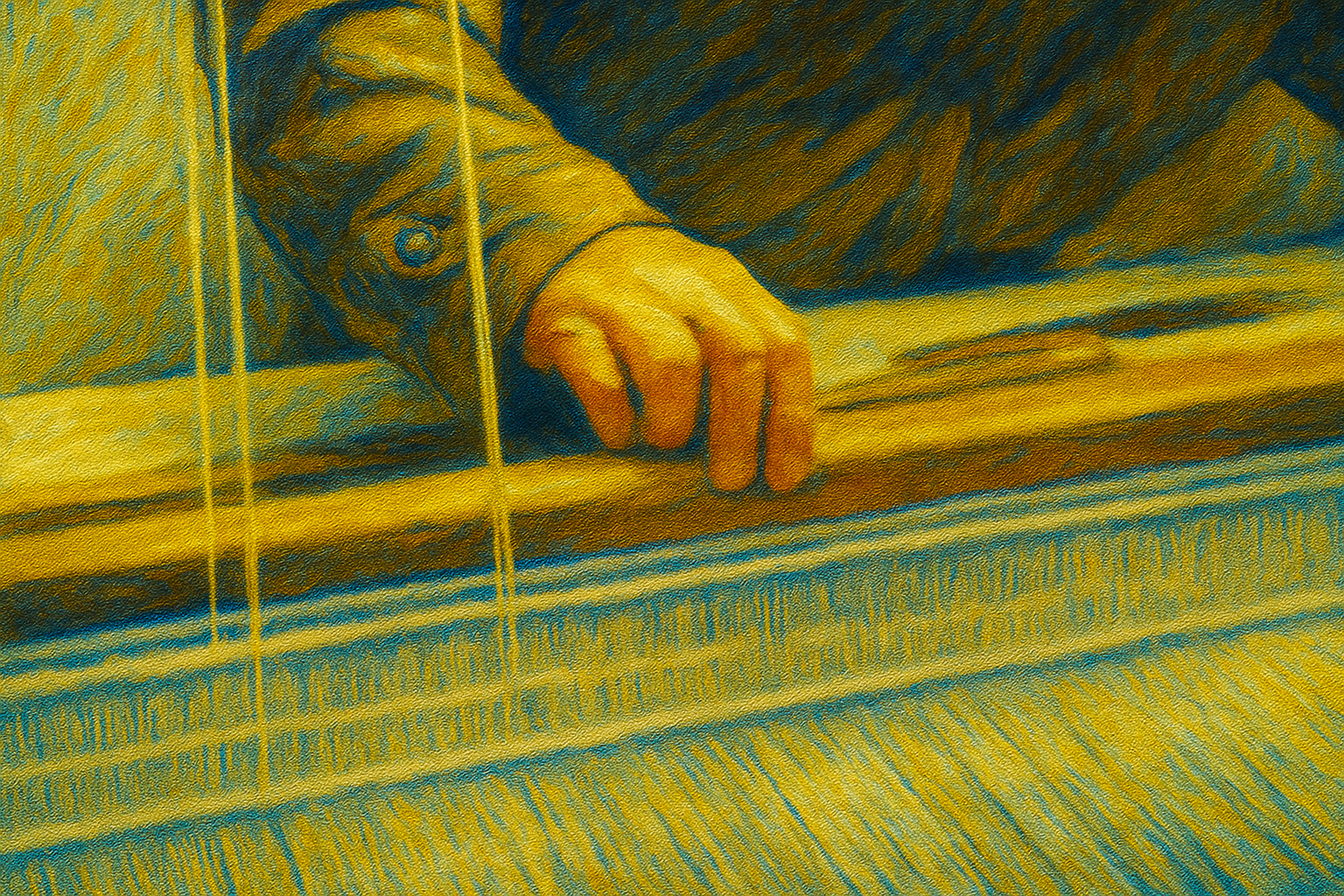
Pashmina Weaving
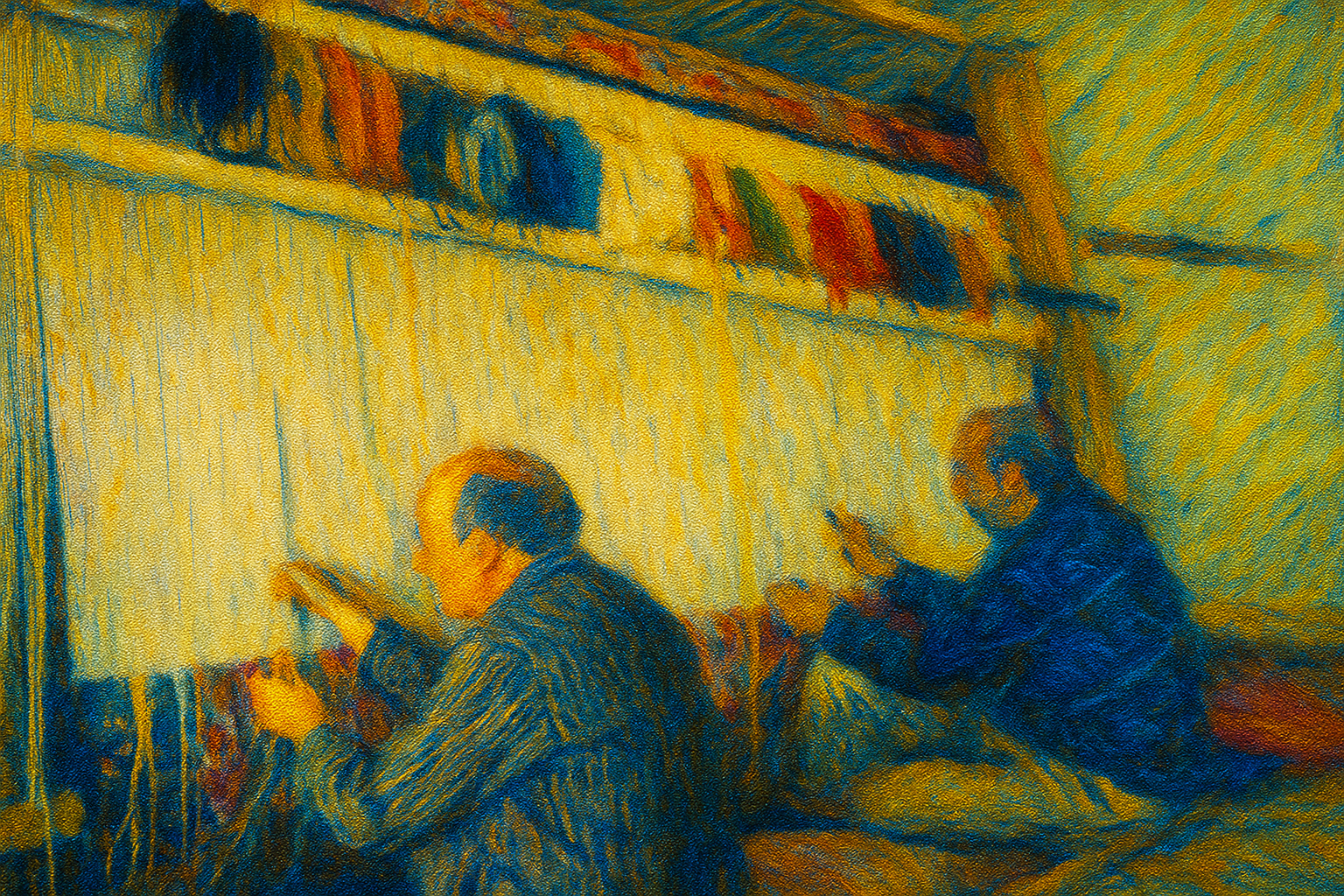
A Whisper Woven in Wool. In the quiet homes of Zaina Kadal, Noor Bagh, and the old Srinagar quarters, looms creak softly with the rhythm of heritage. Pashmina weaving, a revered Kashmiri tradition, transforms delicate yarn from Himalayan goats into shawls of ethereal lightness. The process is intimate and laborious—an heirloom of skill passed down like scripture from generation to generation.
Carpet Weaving
Kashmir’s Garden of Knots. Kashmir’s hand-knotted carpets are masterpieces of patience and imagination. Drawing on Persian and Central Asian aesthetics, each carpet contains thousands sometimes millions of knots woven into mesmerizing motifs: Mughal gardens, symbolic paisleys, and poetic calligraphy. Visit workshops around Bagh-e-Mehtab and Nishat to watch artisans at work on looms that stretch time.
Kashmir Arts Emporium
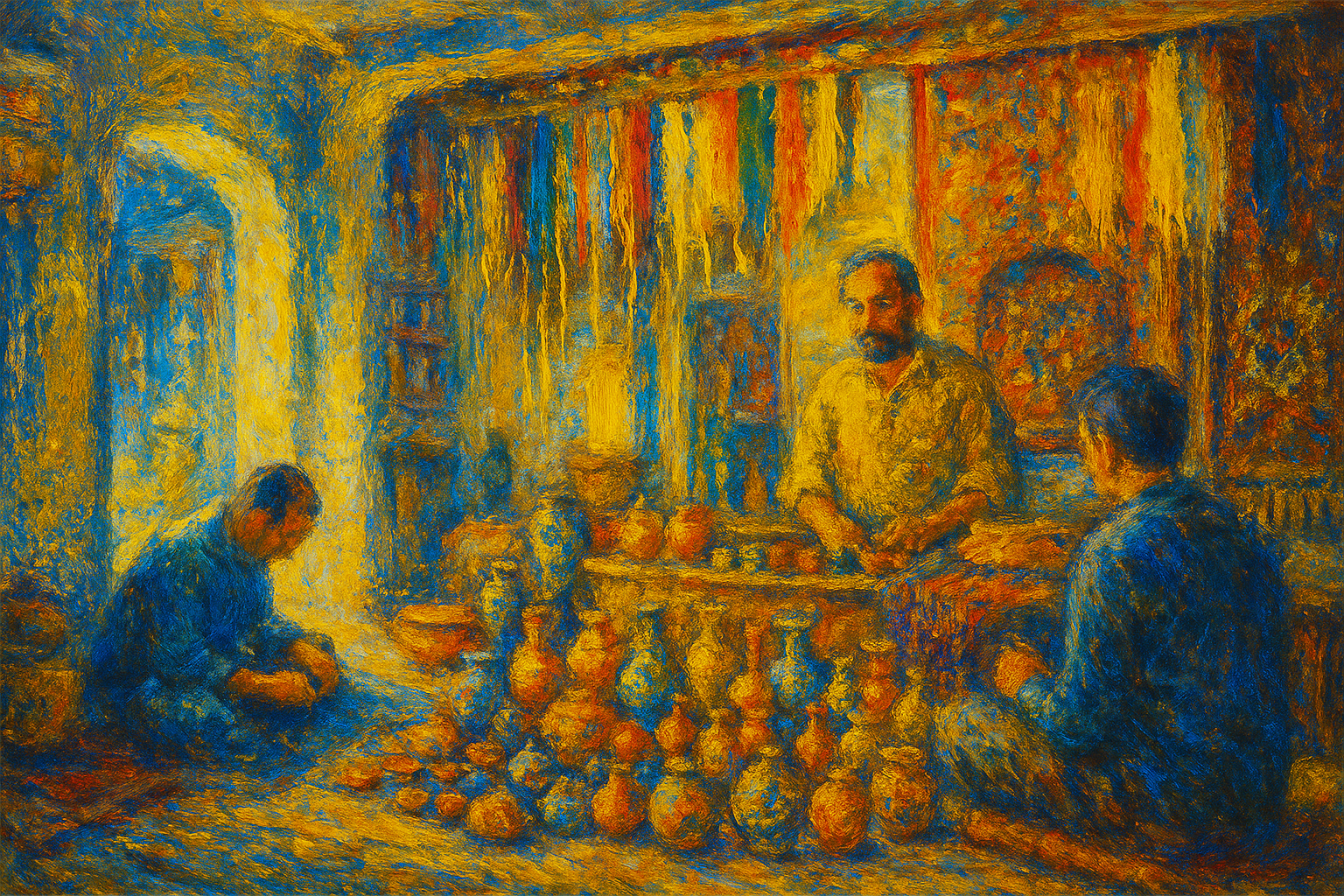
Embroidery is the art of decorating fabric or other materials using a needle to stitch thread or yarn. It is one of the oldest and most cherished forms of textile art, with origins dating back thousands of years across civilizations in Asia, the Middle East, and Europe. Traditionally, embroidery was not only a decorative craft but also a symbol of cultural identity, social status, and regional heritage.
Charar-e-Sharif
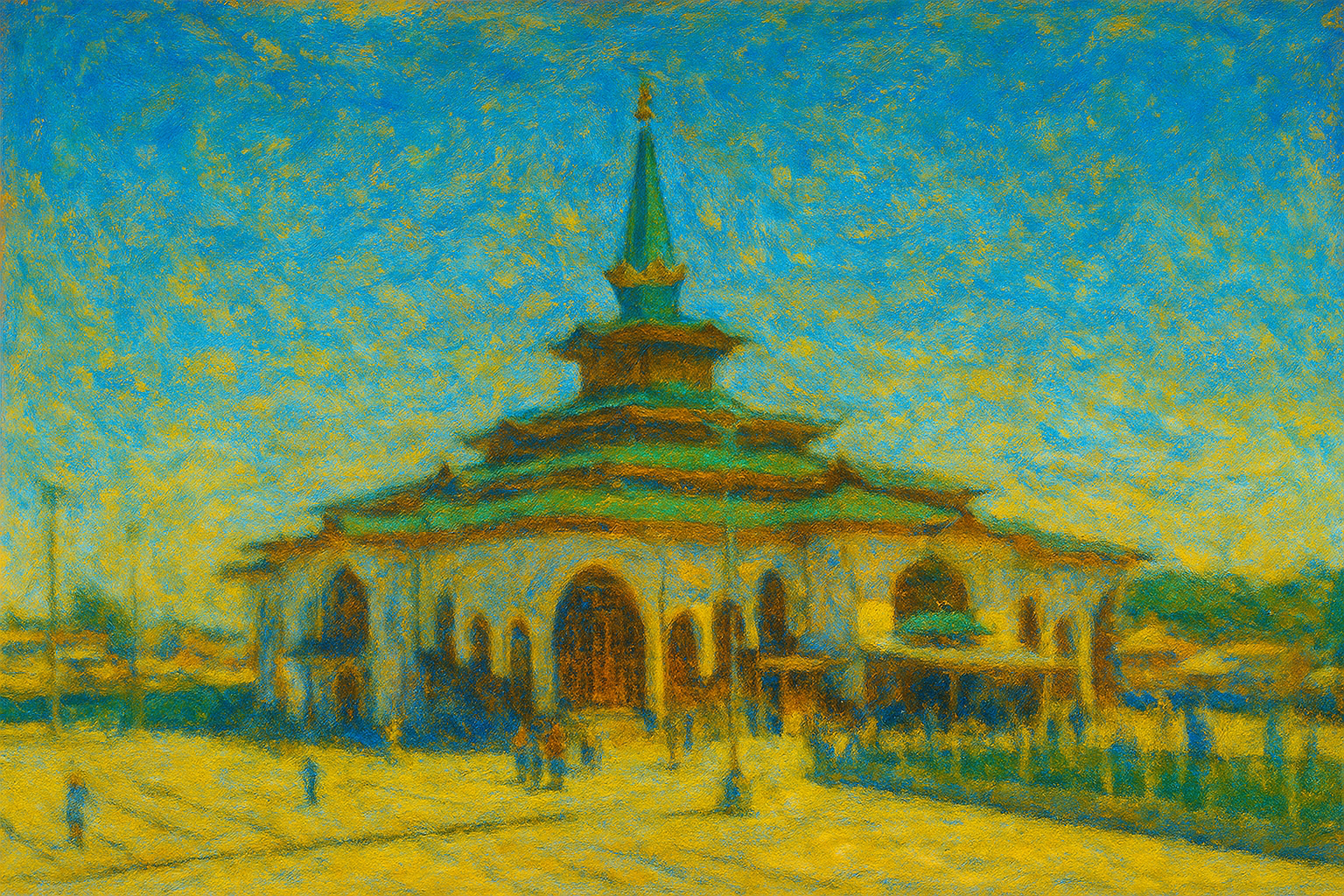
Built in honor of the revered Nund Rishi, this hilltop shrine is a beacon of spiritual simplicity. Destroyed and rebuilt, its message endures: peace, ecological balance, and the mystical unity of all beings. Pilgrims and poets alike find solace here.
Dastgeer Sahib Shrine,
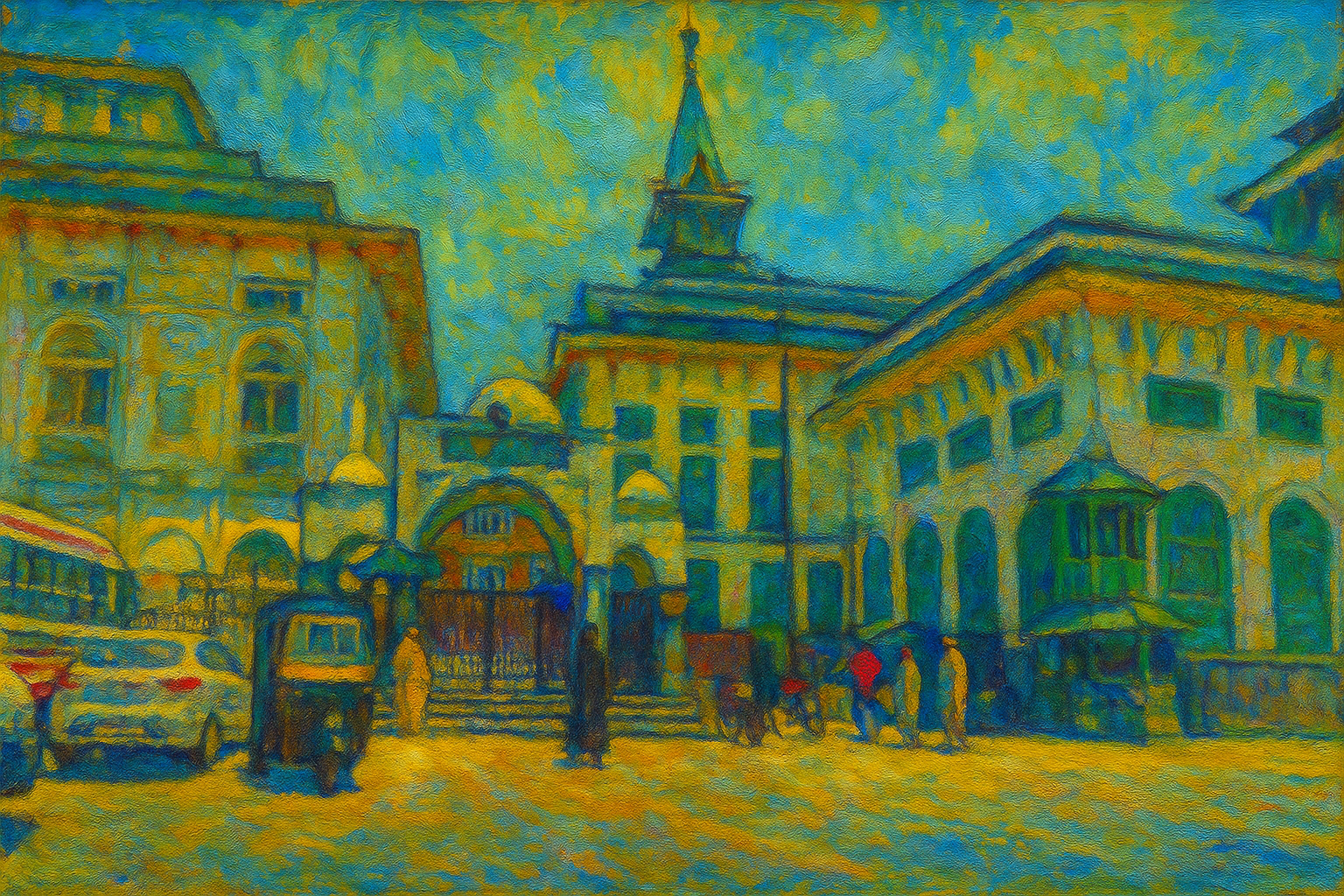
This 200-year-old shrine is more than a spiritual site it’s a sanctuary of sacred relics, paper-mâché brilliance, and centuries of whispered prayers. Its aura transcends sects, inviting believers and wanderers into its gilded calm.
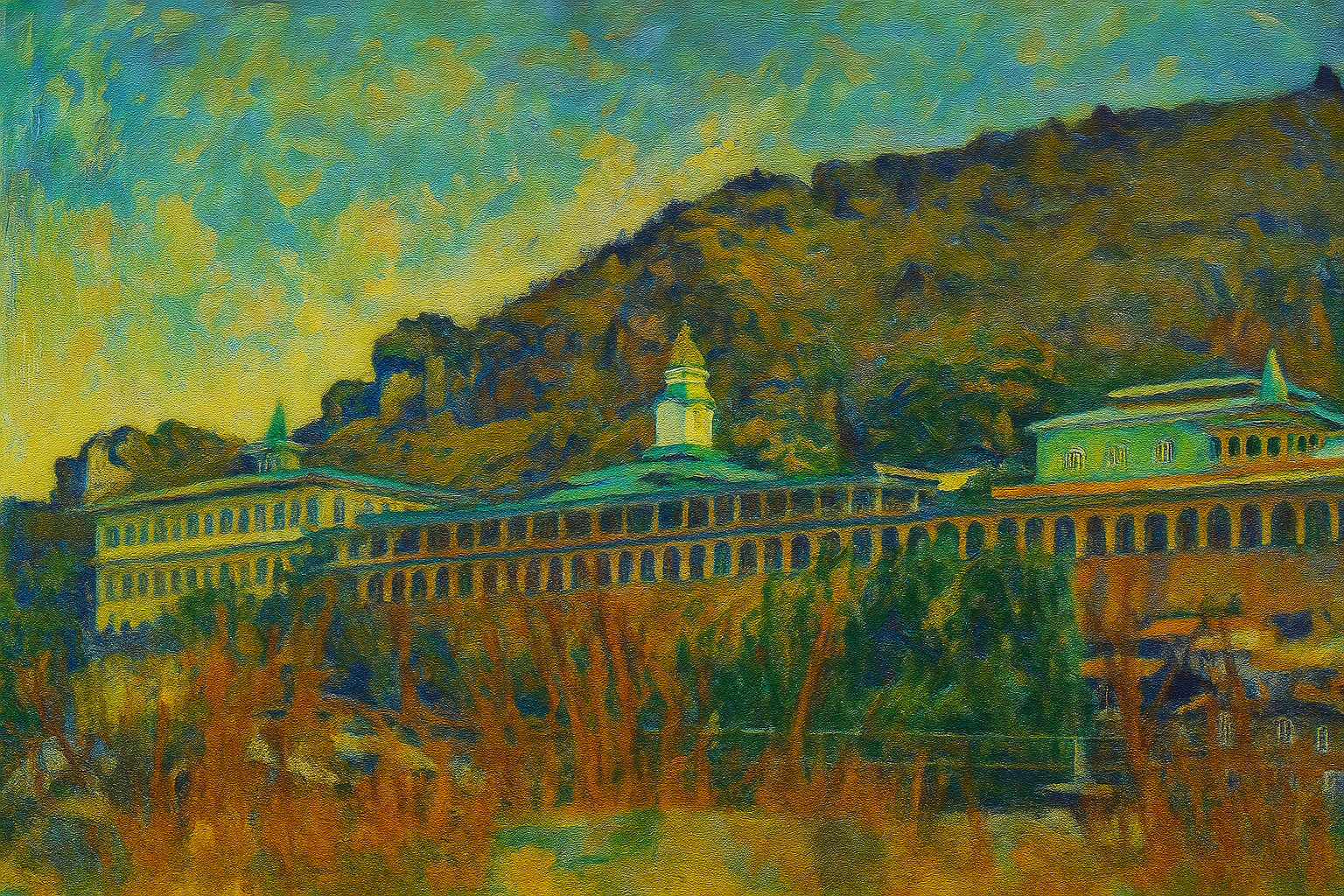
Makhdoom Sahib Shrine
Perched on Hari Parbat’s slope, this shrine dedicated to Hazrat Sultan Makhdoom Sahib overlooks the city like a spiritual guardian. A visit here isn’t complete without pausing to absorb the silence that speaks louder than any sermon.
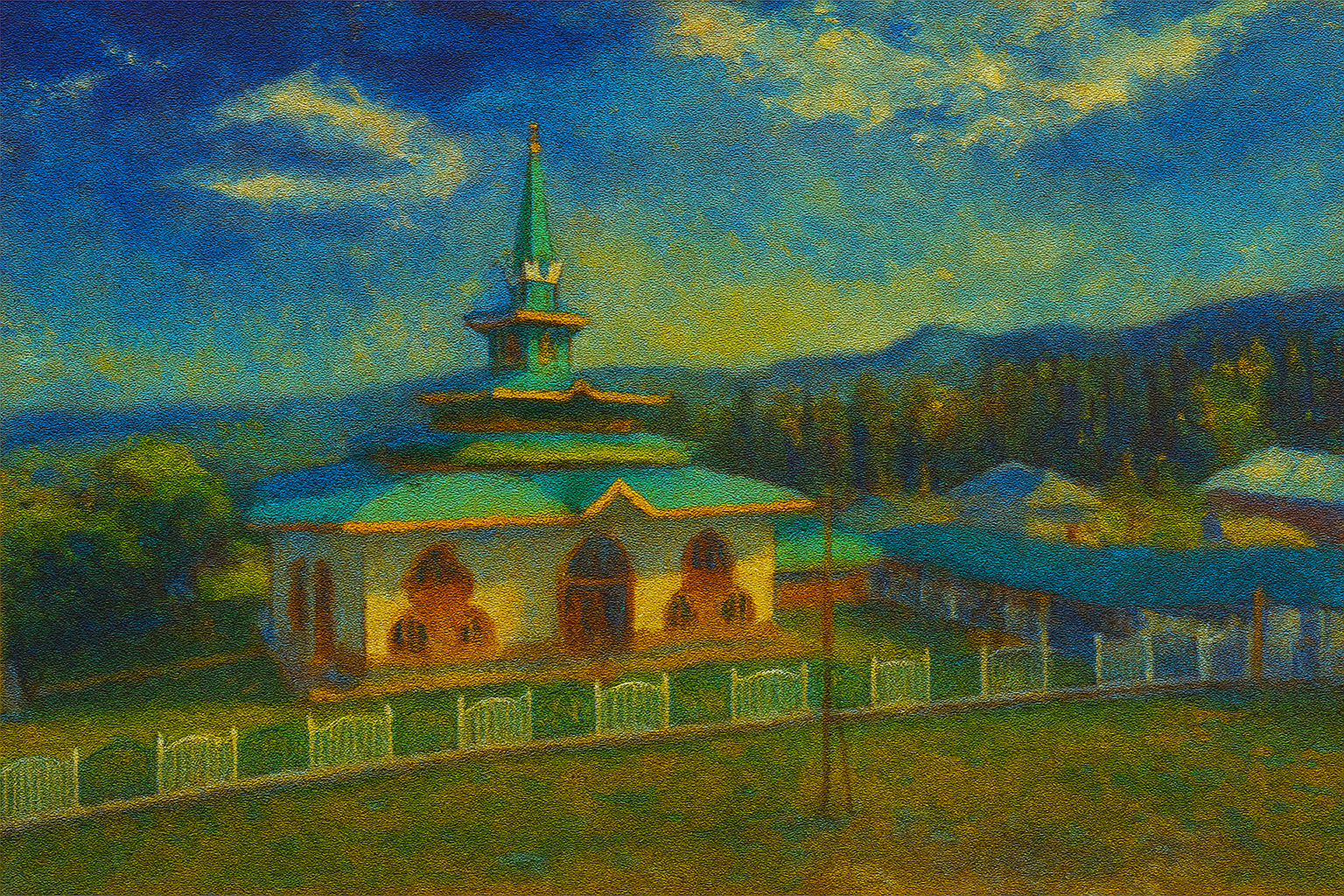
Baba Reshi Shrine
Hidden within the pine-laden hills of Gulmarg, this 15th-century shrine is dedicated to Baba Payamuddin Reshi, a mystic saint who renounced royal life for spiritual awakening. Pilgrims and wanderers alike are drawn by its quiet, timeless grace.
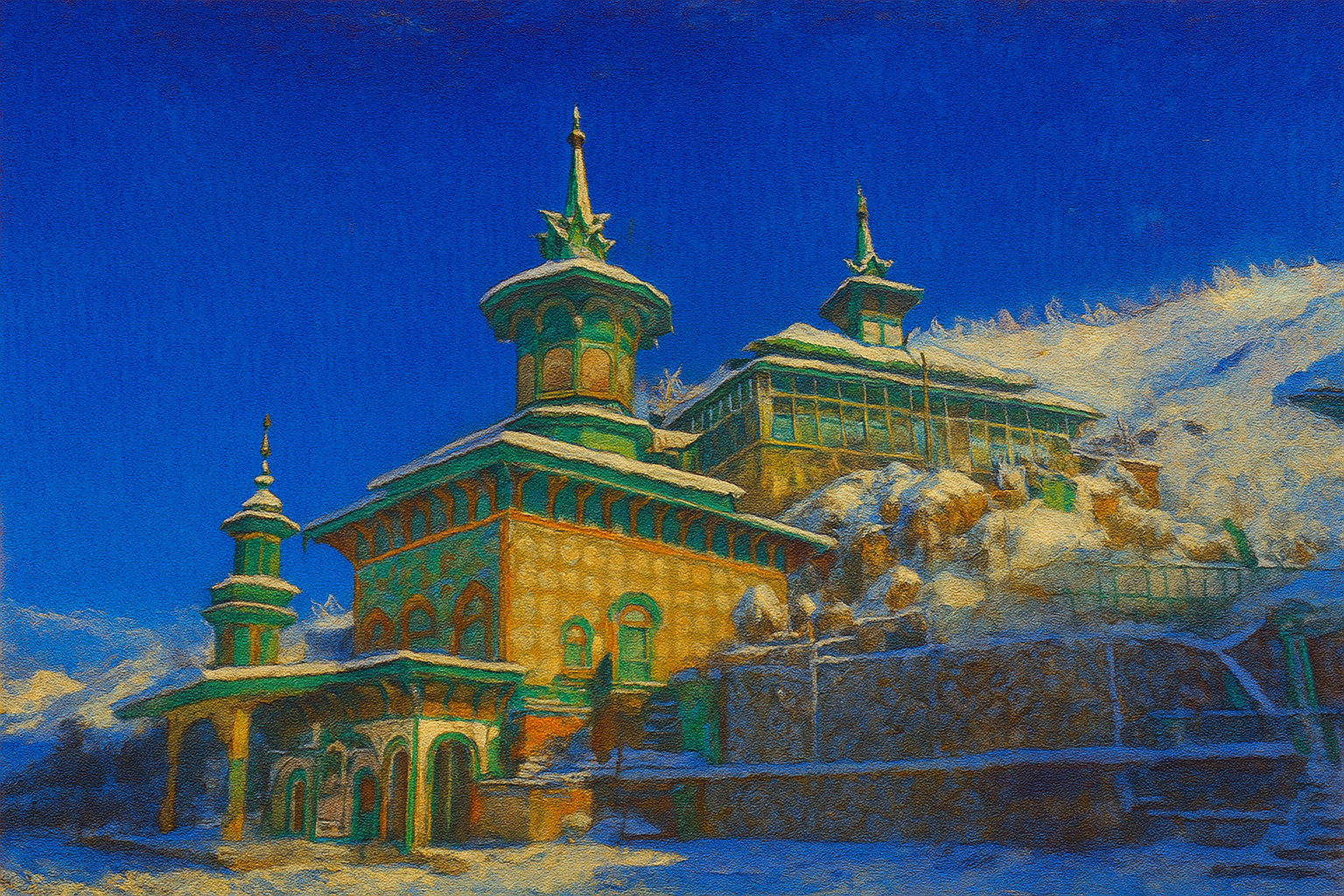
Aishmuqam The Cave of the Flute
Carved into a cliff near Anantnag, the shrine of Zain-ud-Din Wali, a disciple of Nund Rishi, merges shaivite cave rituals with sufi quietude. It is said the flute of Krishna still echoes here if not in sound, then in spirit.
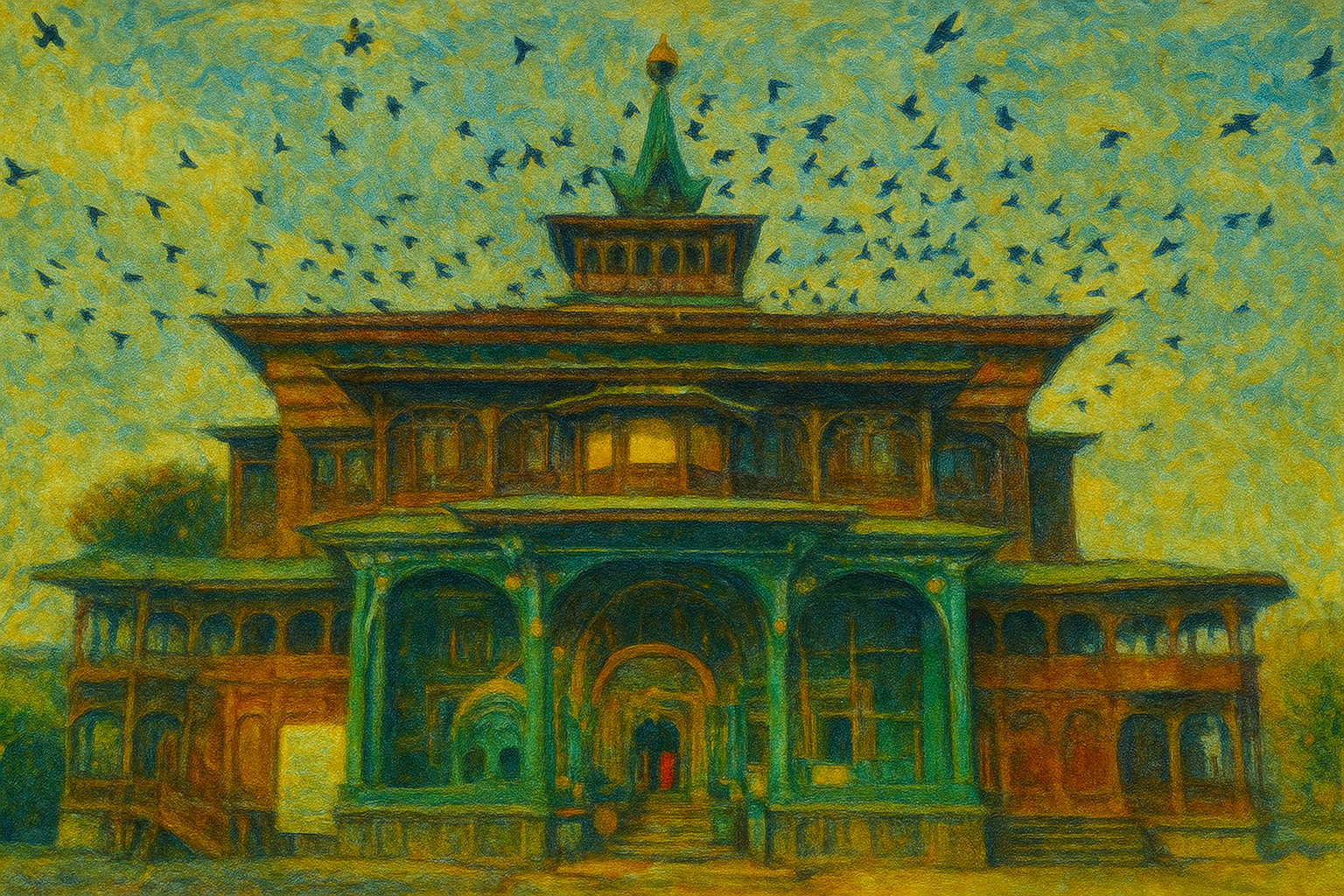
Shah Hamdan Mosque (Khanqah-e-Moula)
A marvel of Kashmiri wooden architecture, Shah Hamdan Mosque stands on the banks of the Jhelum like a carved poem in cedar. Built in 1395, it is a glowing example of how faith, Persian aesthetics, and Kashmiri craftsmanship converge into one breathtaking silhouette.
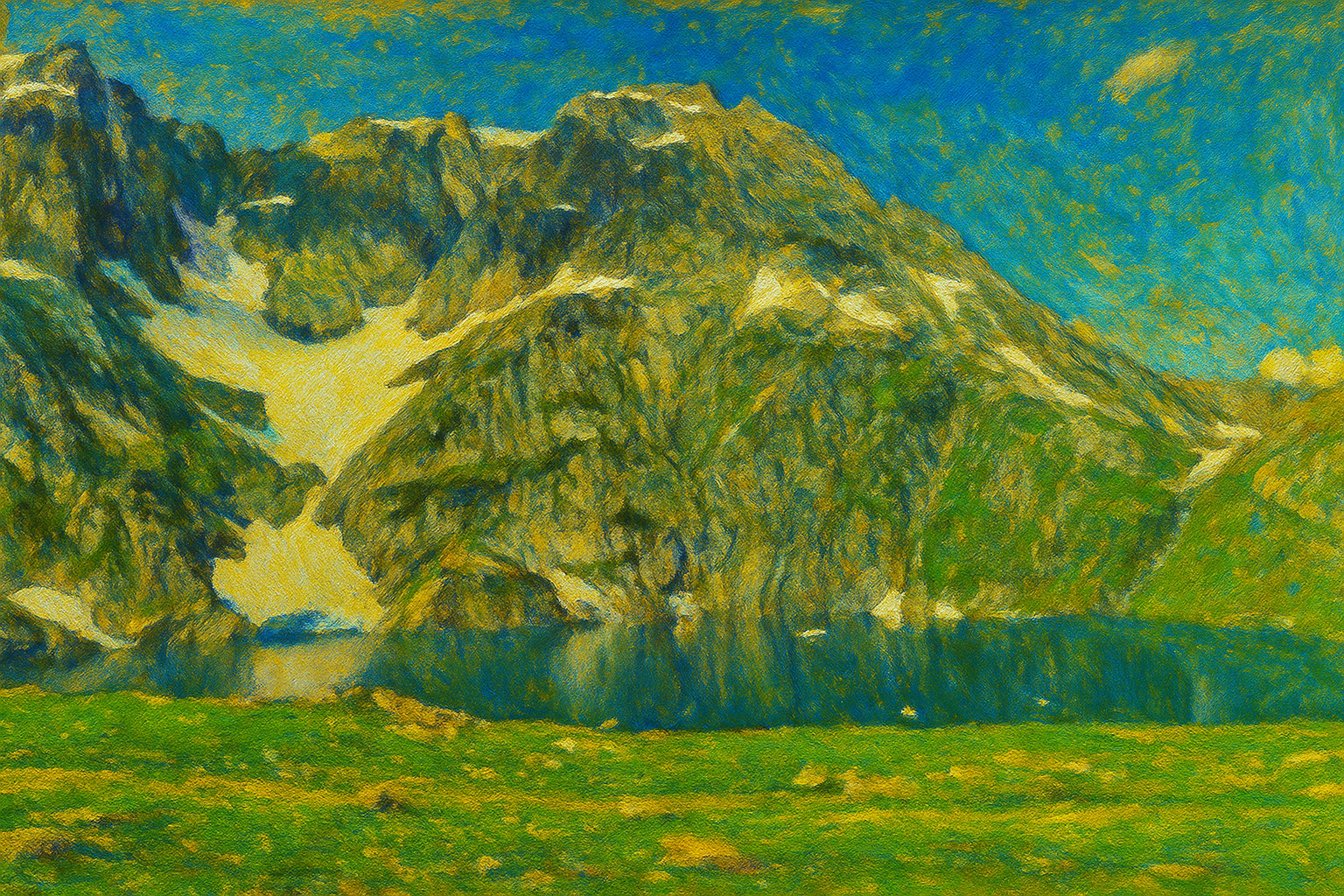
Naranag
Naranag, the Ephesus of Kashmir, is where timeless history meets Himalayan splendor. The ancient 8th-century Shiva temple ruins echo the legacy of the Karkota dynasty, while pine-clad trails and alpine meadows lead to the sacred Gangabal and Nundkol Lakes beneath Mount Harmukh. As the gateway to the Great Lakes Trek, Naranag weaves together heritage, spirituality, and adventure.
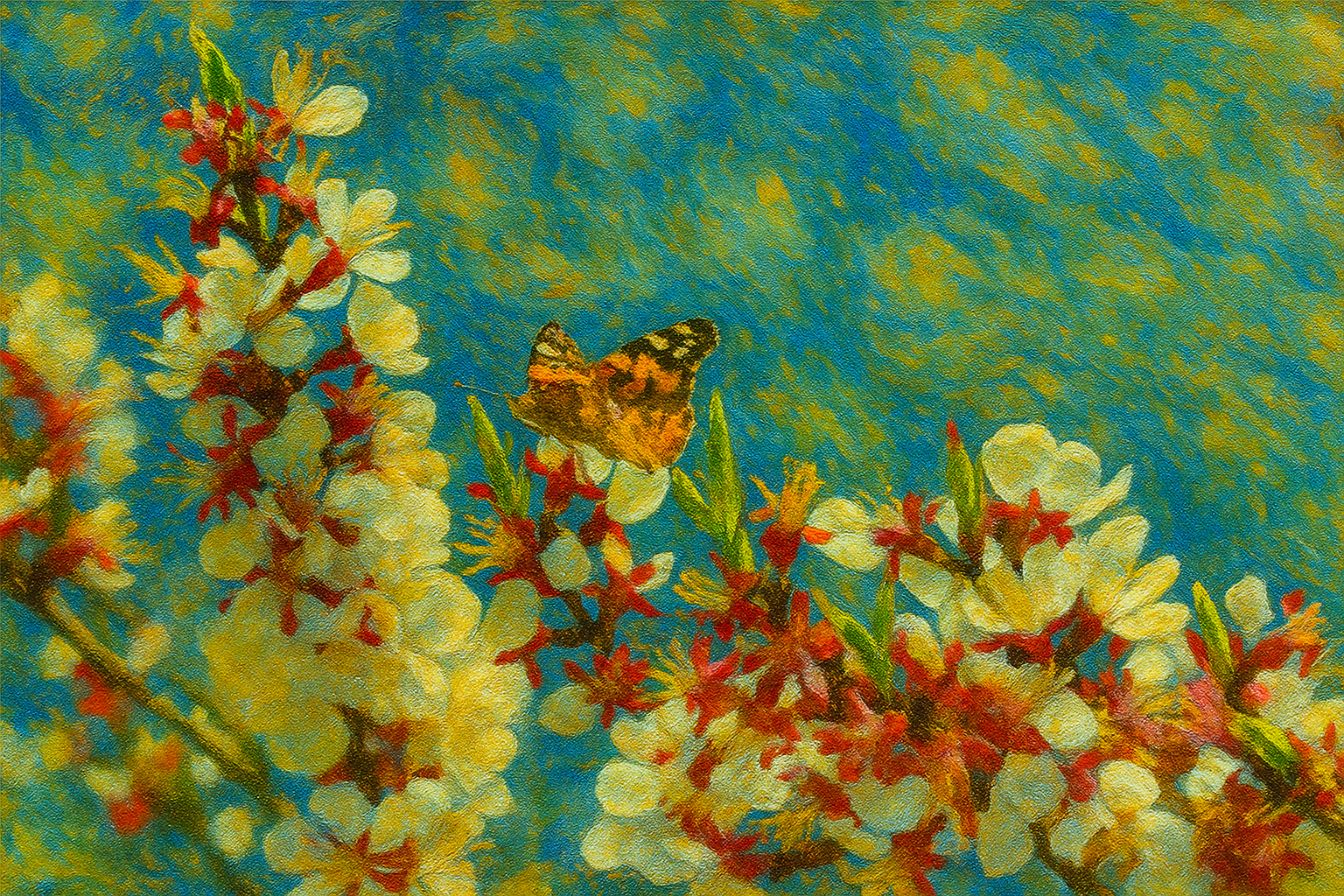
Spring in Kashmir
Spring in Kashmir is a season of rebirth and color, when snow melts to reveal blooming tulips, almond blossoms, and lush green meadows. The valley transforms into a vibrant paradise, with fragrant gardens, sparkling rivers, and clear skies—making it the perfect time to experience Kashmir’s unmatched beauty. It is a season when nature paints the valley in its most enchanting hues.
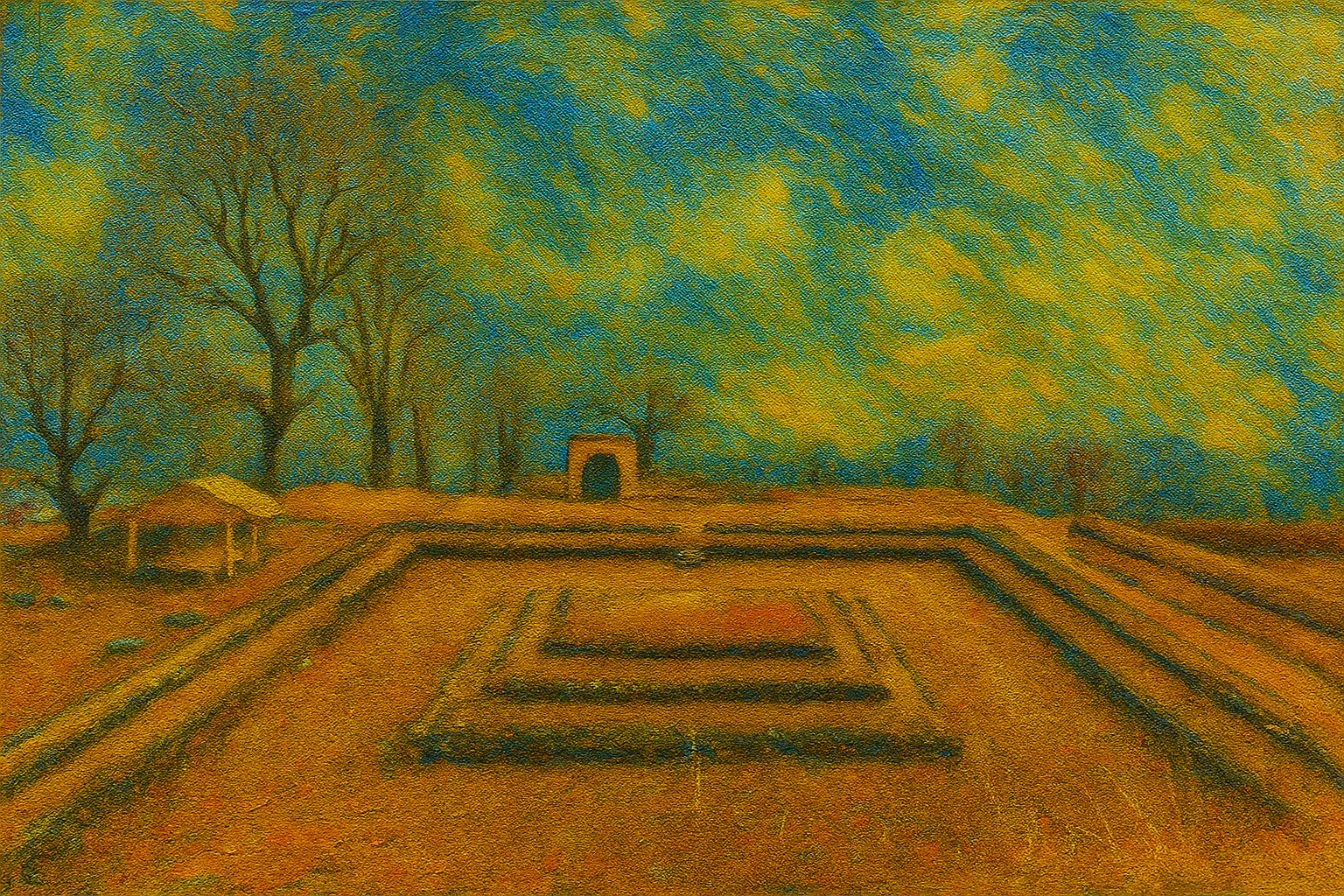
Harwan Buddhist Monastery Ruins
Above the urban hum of Srinagar, Harwan is a forgotten sanctuary. Once the site of the last International Buddhist Council, it was here that Kashmiri monks helped shape Mahayana Buddhism, spreading its quiet logic across Tibet and Central Asia. Now moss creeps over terracotta tiles, and silence is the last scripture.
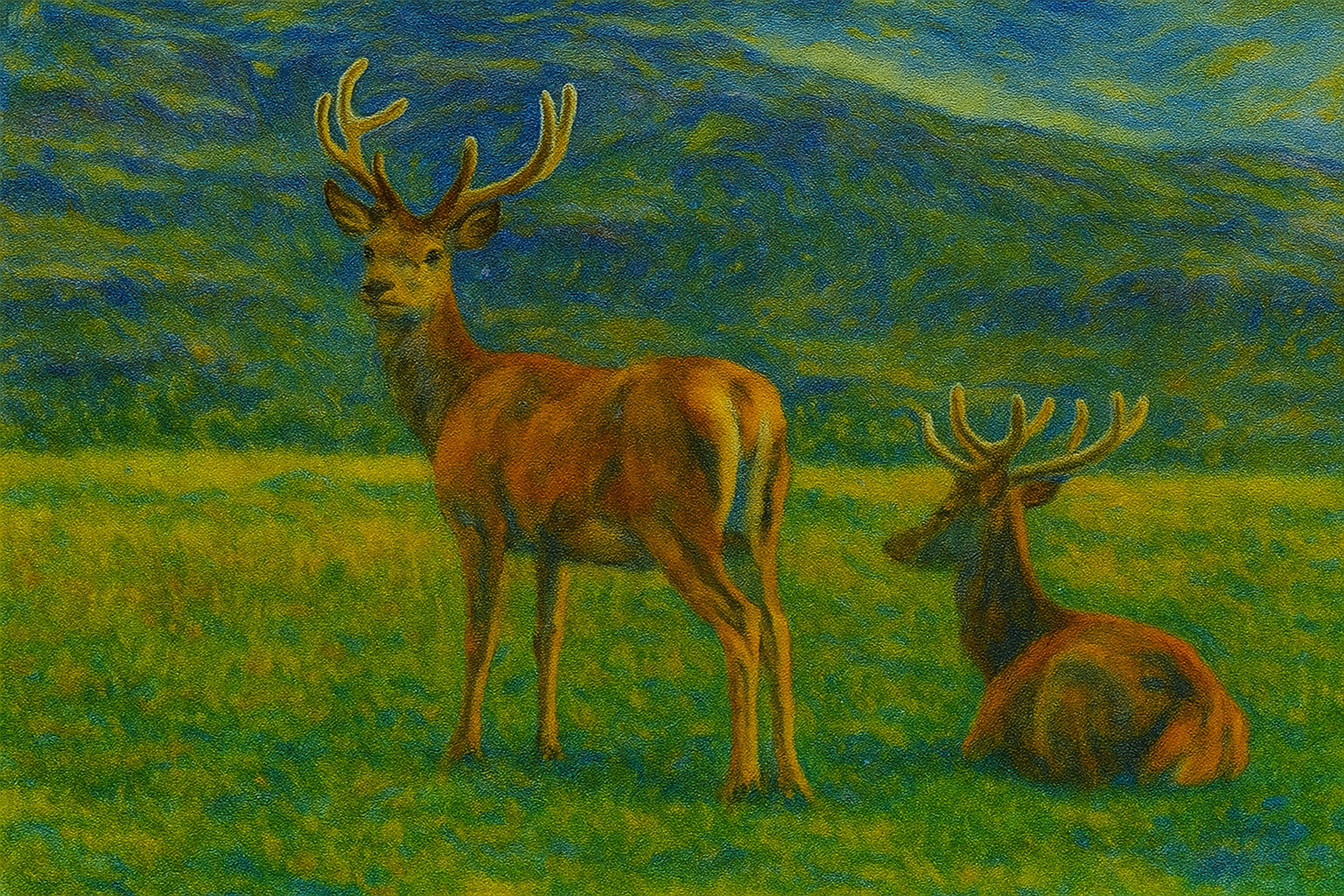
Dachigam National Park
This is the other face of stillness wild, watchful, and wordless. In Dachigam, the Hangul deer moves like a ghost, and each pine branch carries centuries of snow-whispers. It is not a retreat it’s a re-entry into a more primal peace.
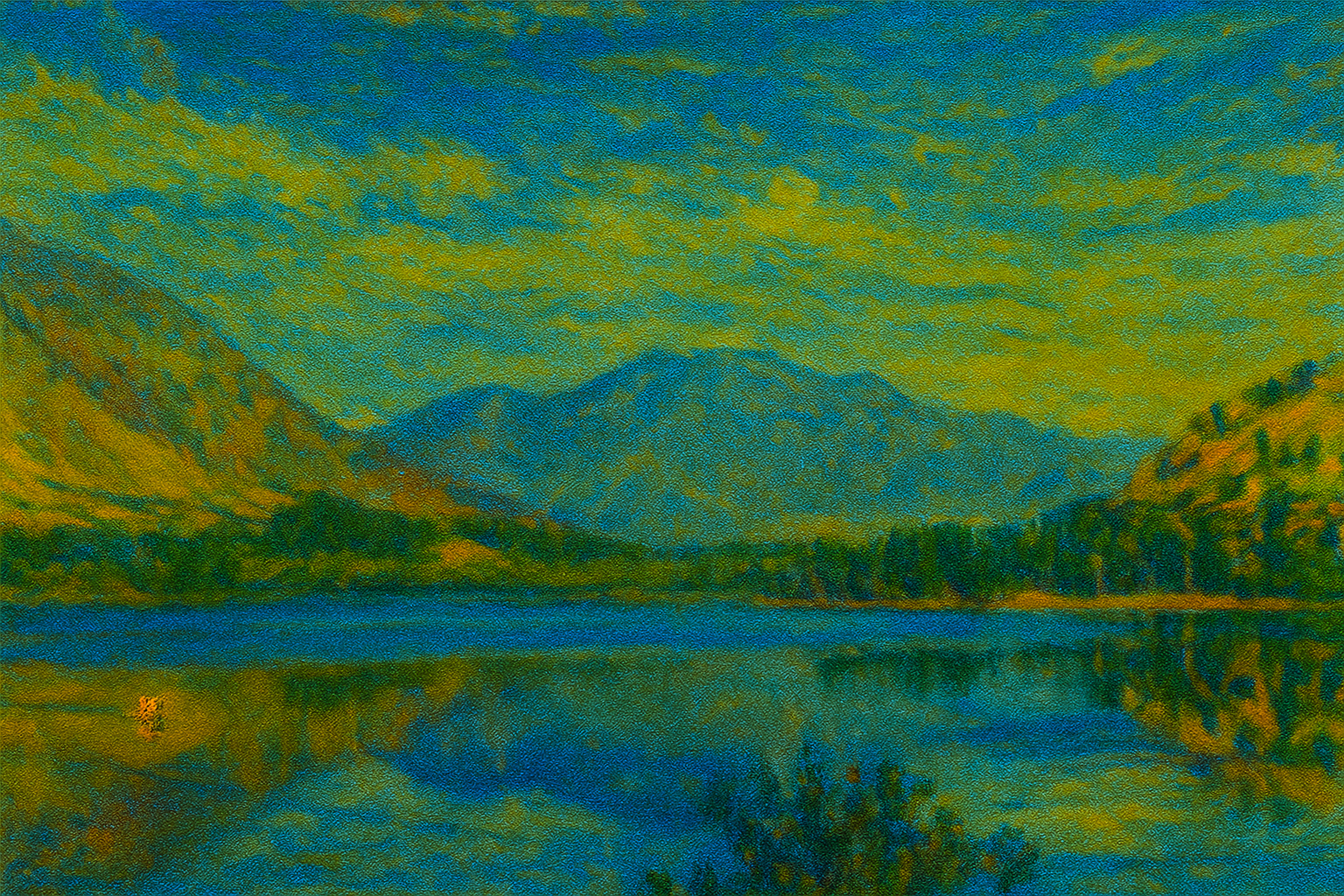
Manasbal Lake
Framed by forgotten temples and sleepy villages, Manasbal reflects not just the clouds but the quiet dignity of time. Locals say it’s the deepest lake in Kashmir but what it really measures is the depth of silence.
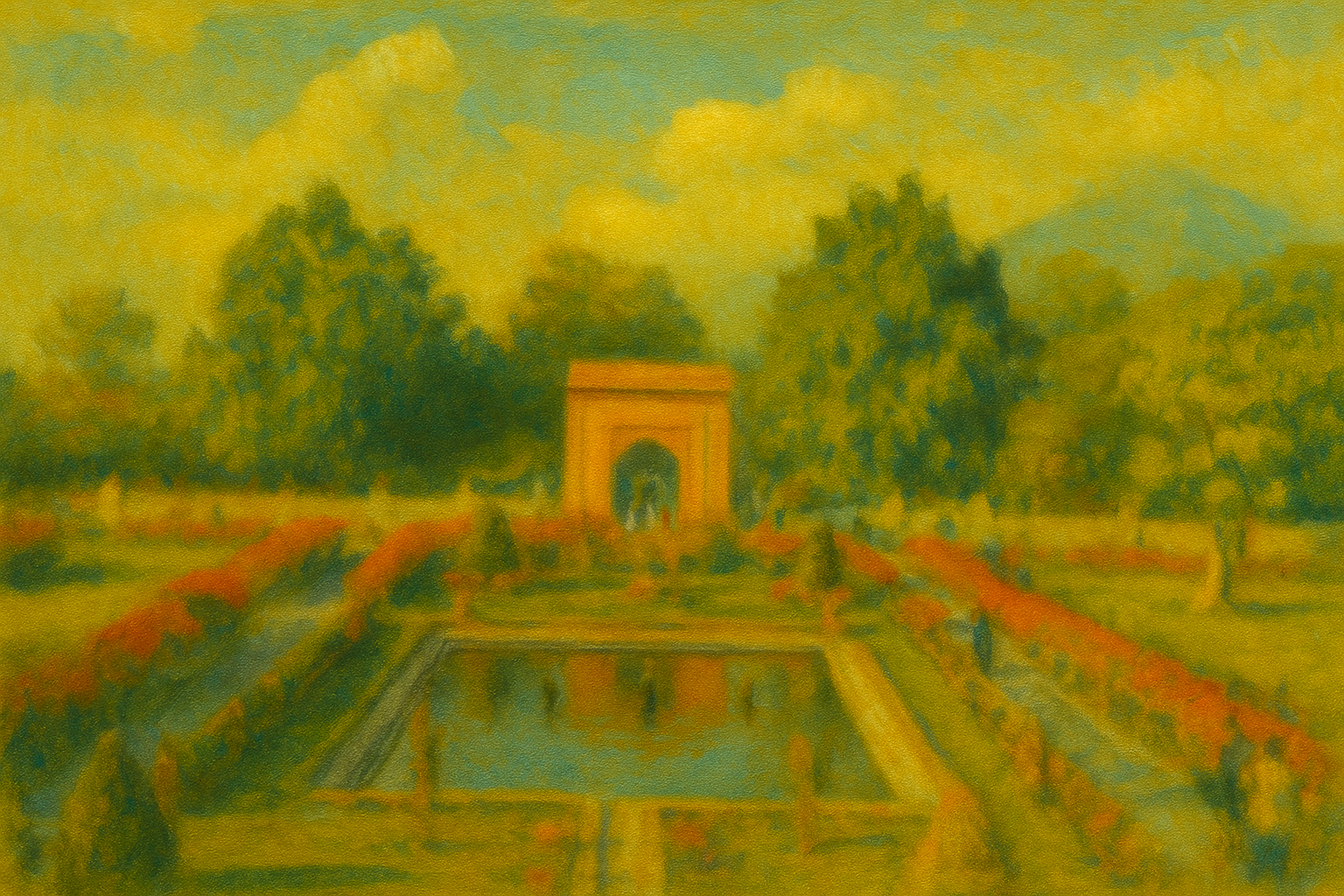
Nishat Bagh
This "Garden of Joy" was built by Nur Jahan's brother, Asif Khan. It boasts 12 terraces representing the zodiac signs and offers stunning views of the Dal Lake and surrounding mountains.
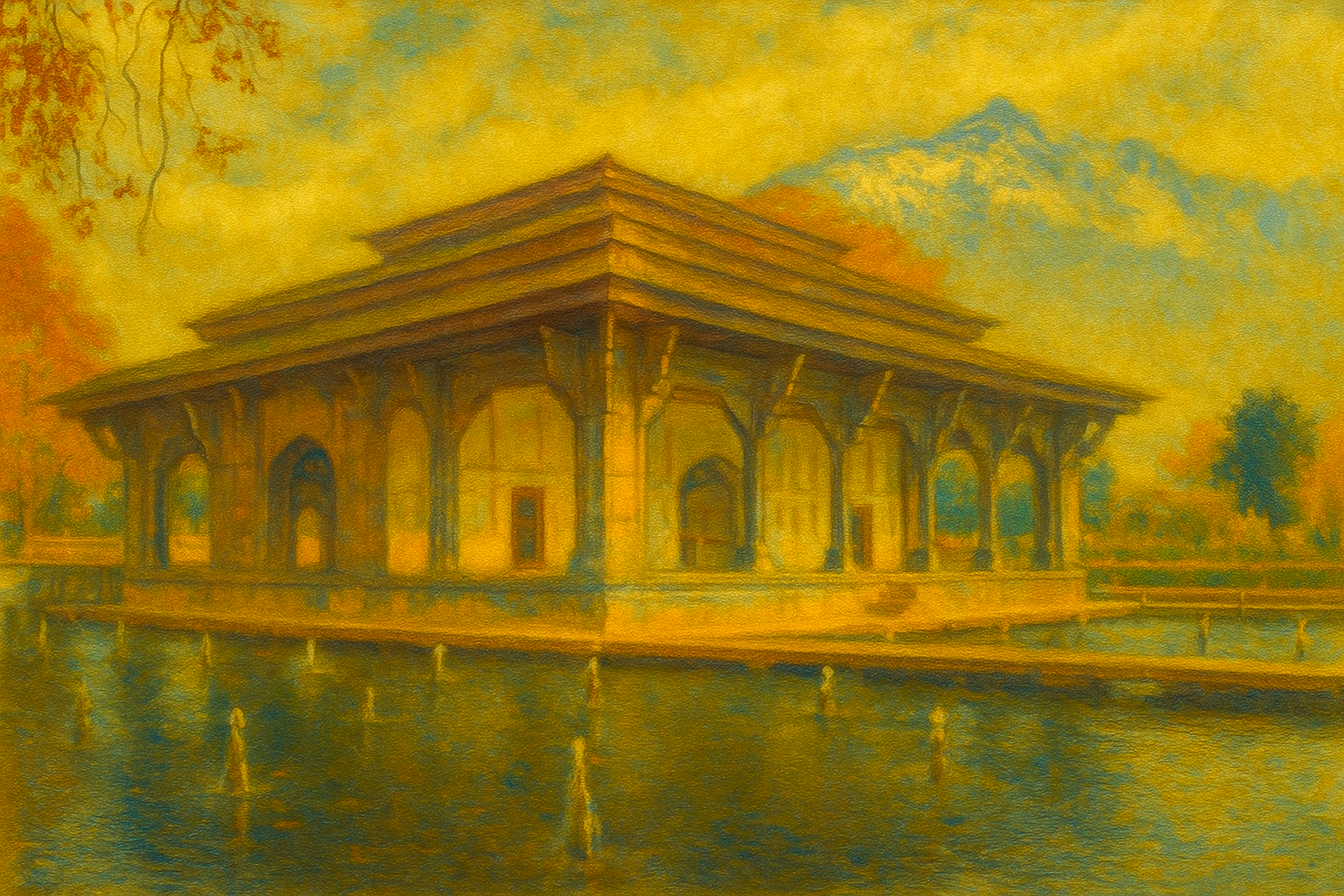
Shalimar Bagh
Commissioned by Emperor Jahangir for his wife, Nur Jahan, this garden is a prominent example of terraced Mughal landscaping. It is connected to the Dal Lake and features cascades and pavilions.
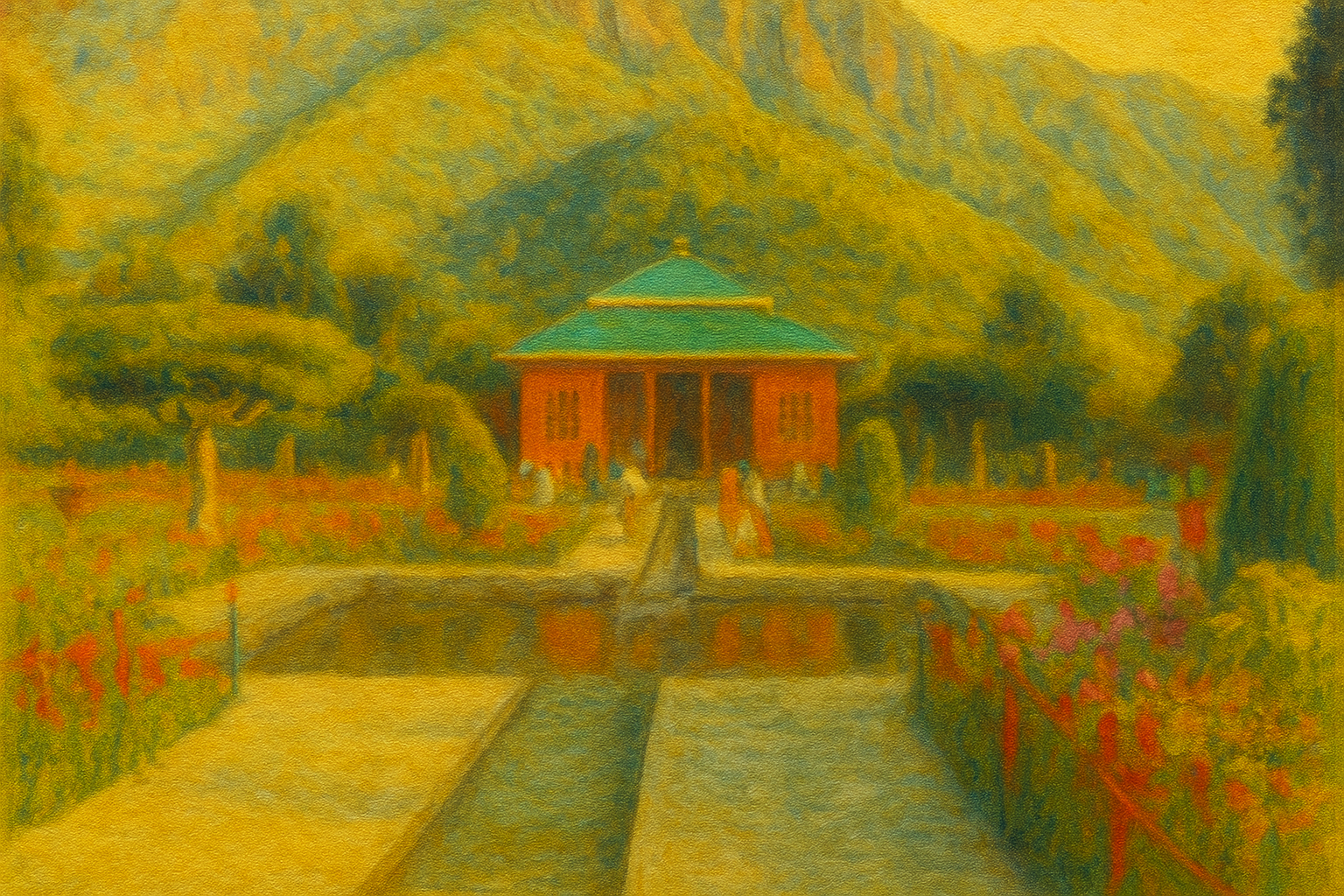
Chashme Shahi
Built by Emperor Shah Jahan, this smaller garden is known for its natural spring and serene terraced layout.