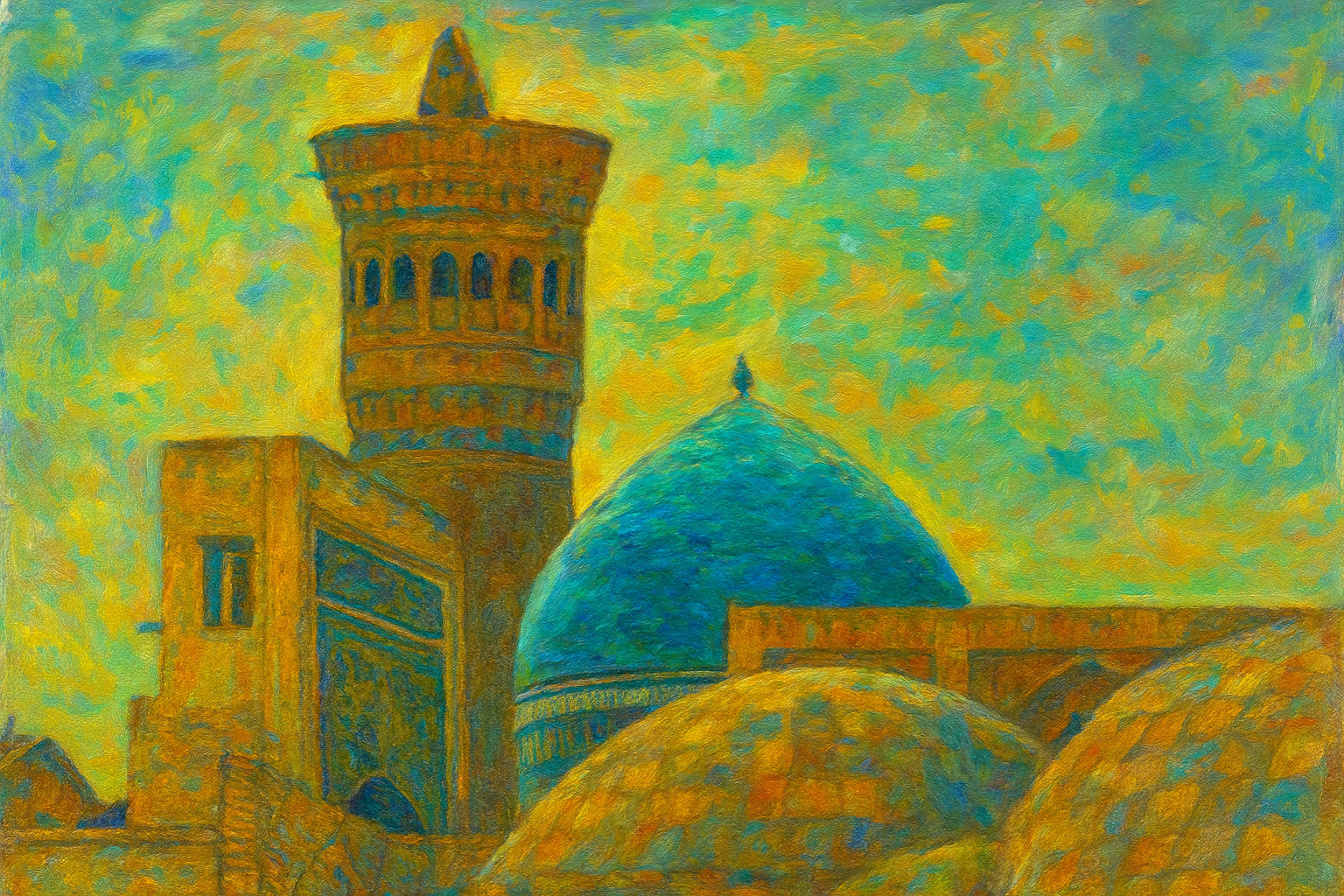
Po-i-Kalyan Complex
A stunning architectural trio featuring the Kalyan Mosque, Kalyan Minaret, and the Mir-i-Arab Madrasa. This is the heart of Bukhara’s Islamic heritage, serene, symmetrical and absolutely photo-worthy.
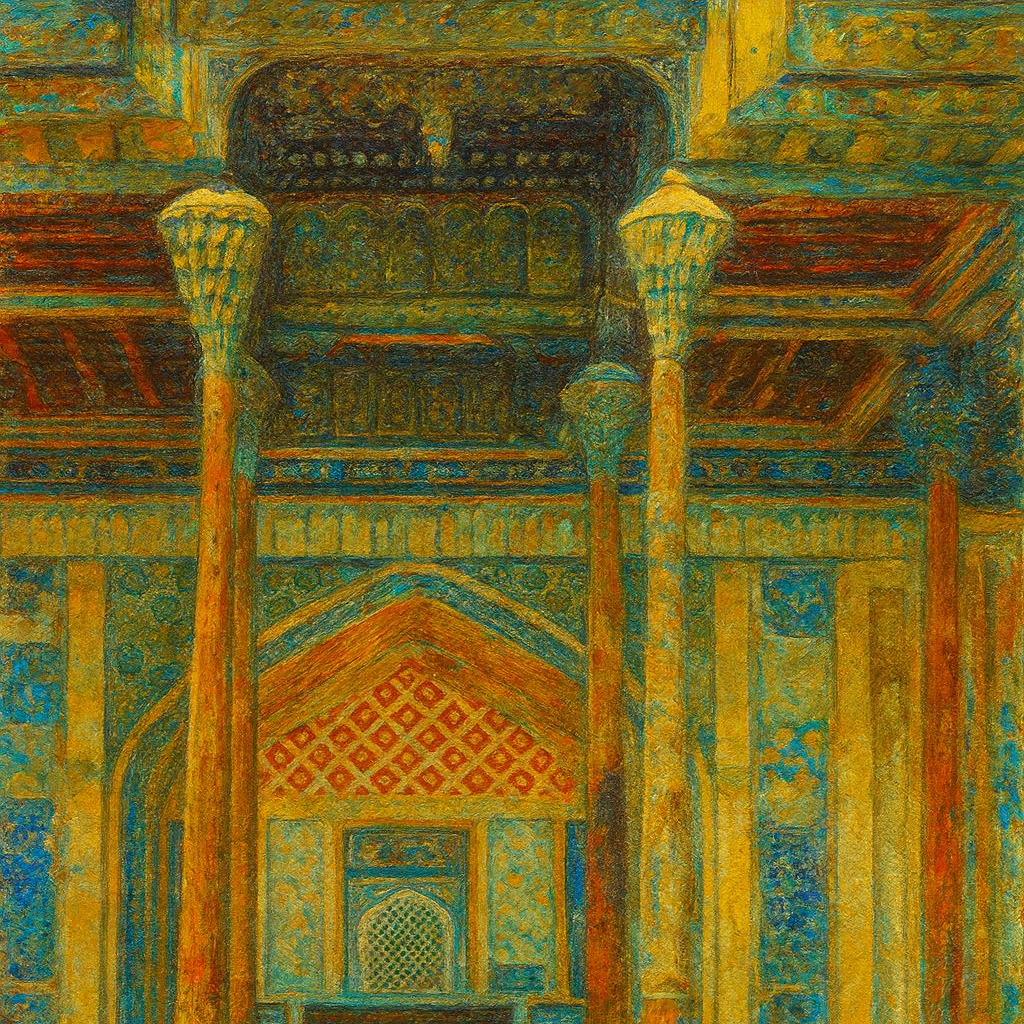
Bolo Hauz Mosque
With its delicate wooden columns reflecting in the pool beside it, this mosque is often overlooked but offers a peaceful, picturesque vibe, especially beautiful at sunrise.
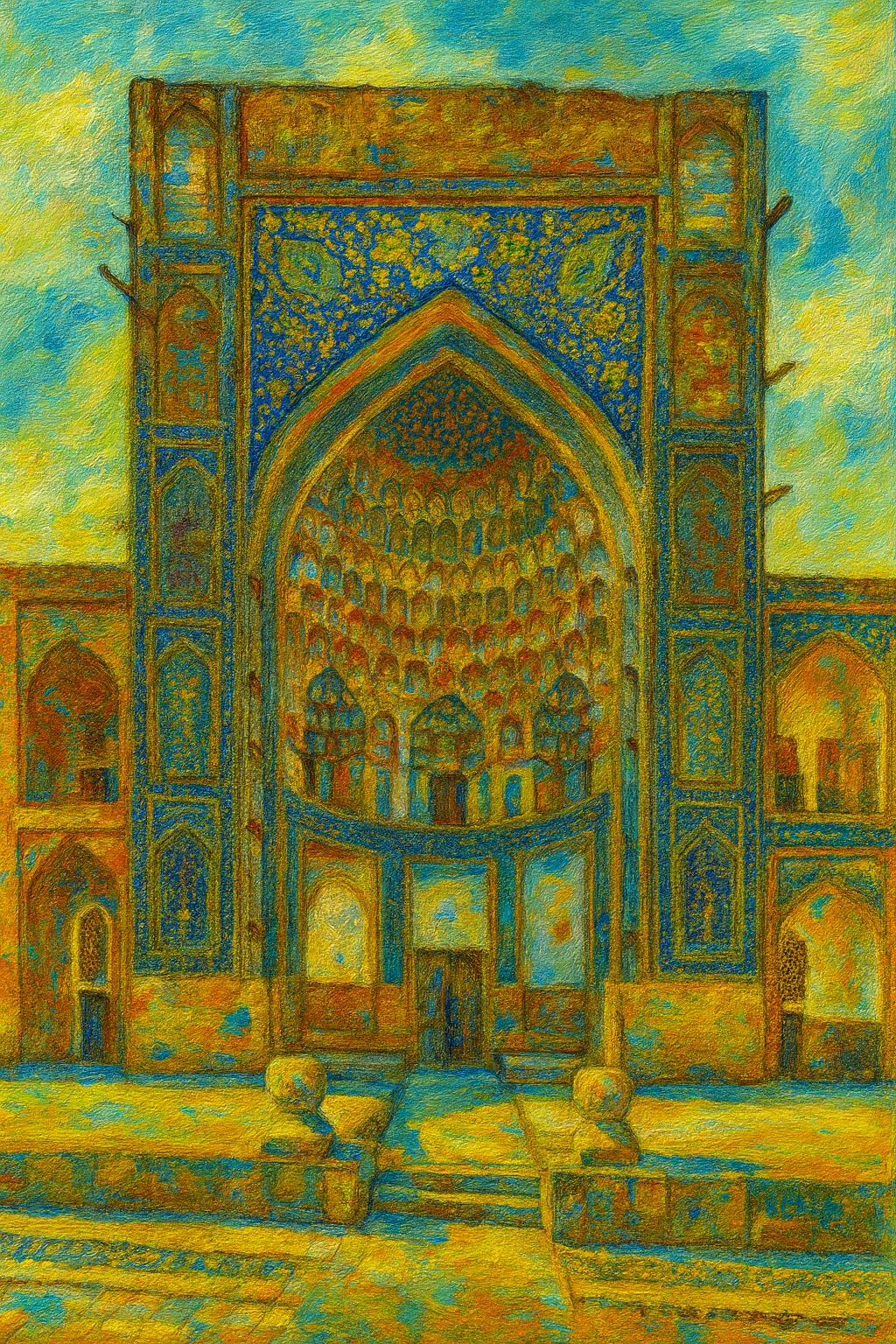
Abdulaziz Khan Madras
Less symmetrical but more intricate than others, this madrasa stands out for its rich tilework and slightly worn charm, a perfect metaphor for Bukhara itself.
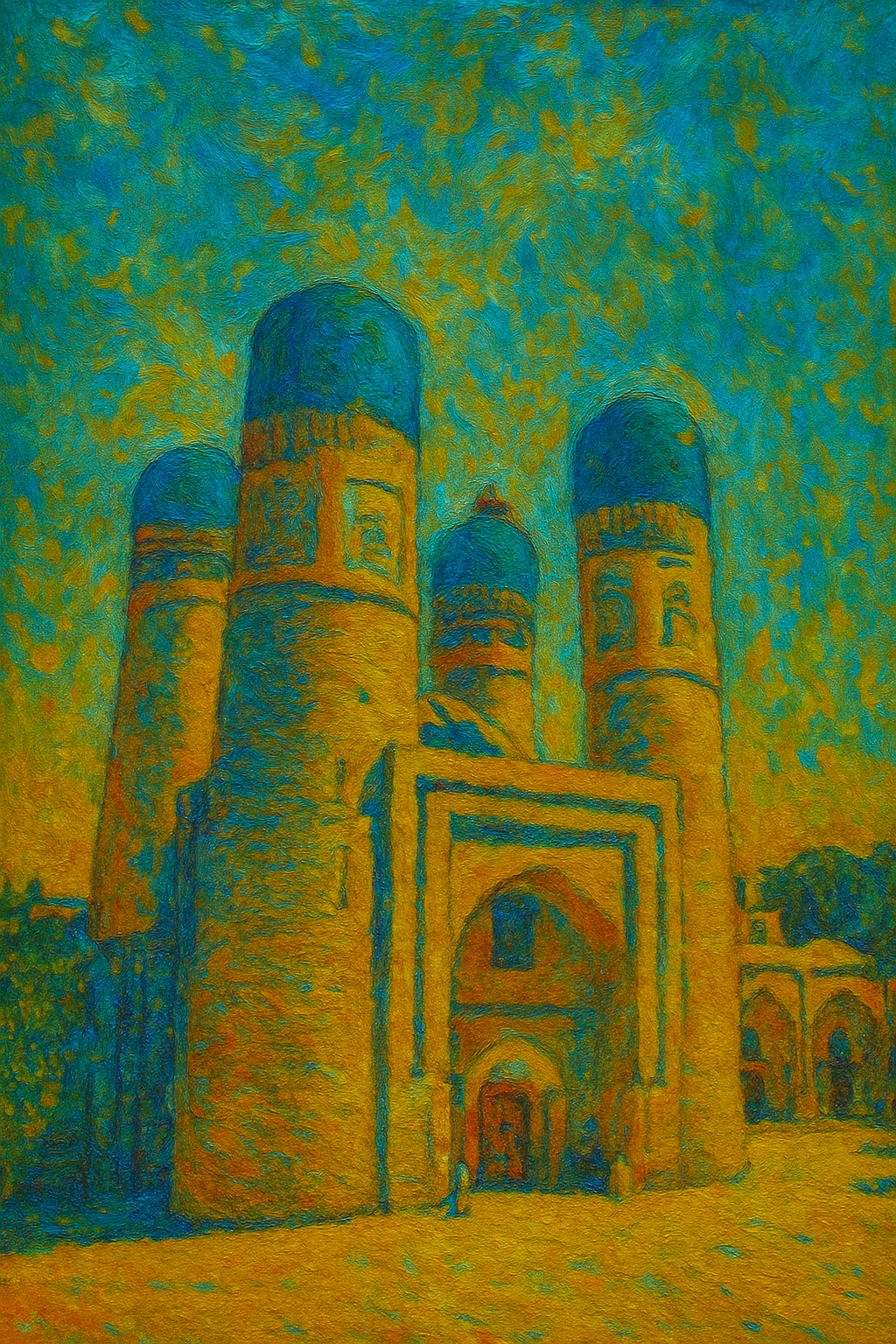
Chor Minor
A quirky, photogenic madrasa with four unique minarets, unlike anything else in the city. It’s small, but definitely worth a detour.
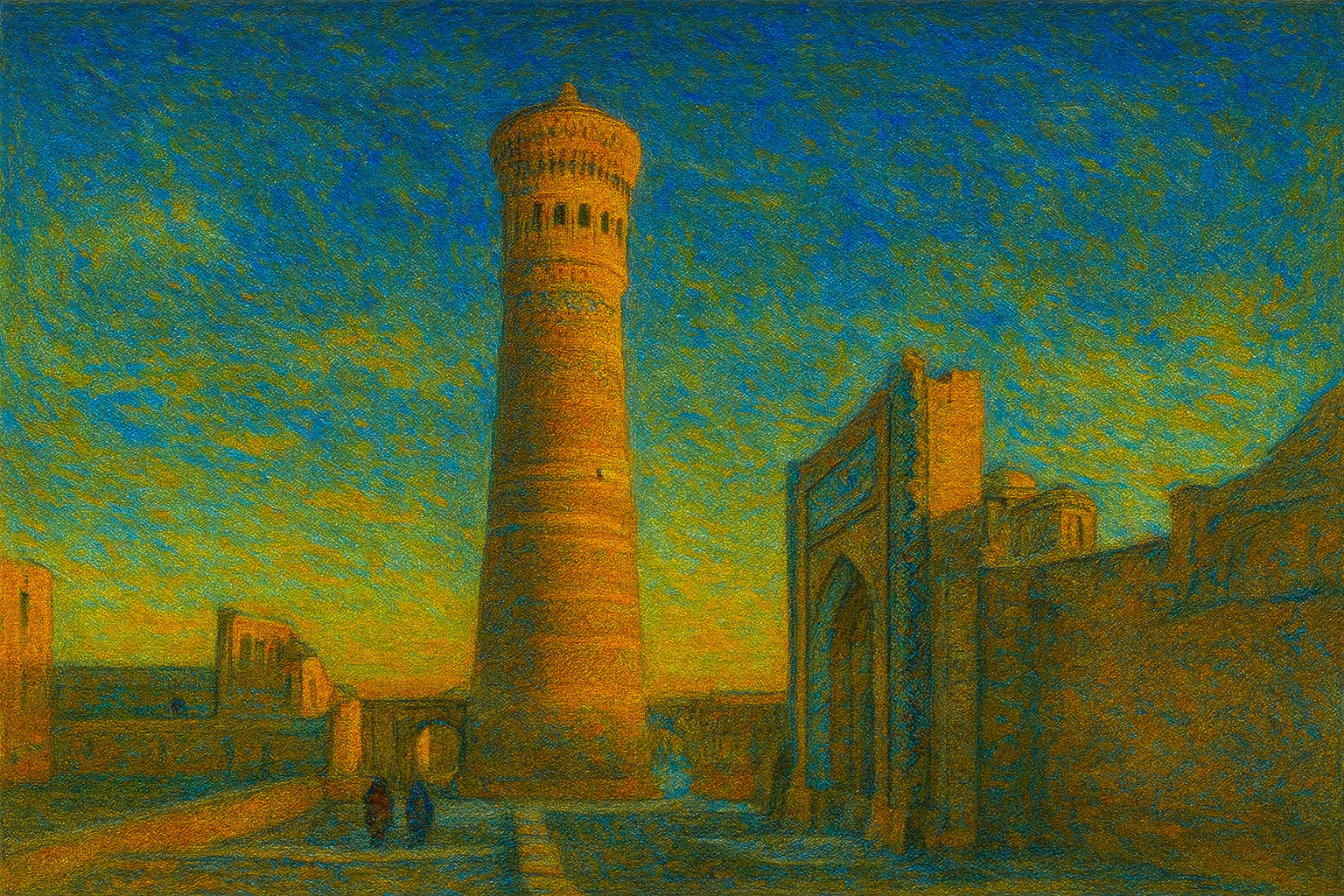
Bukhara Tower
Climb this modern structure for a panoramic view of the city’s rooftops and minarets. Come at sunset for the golden hour glow.
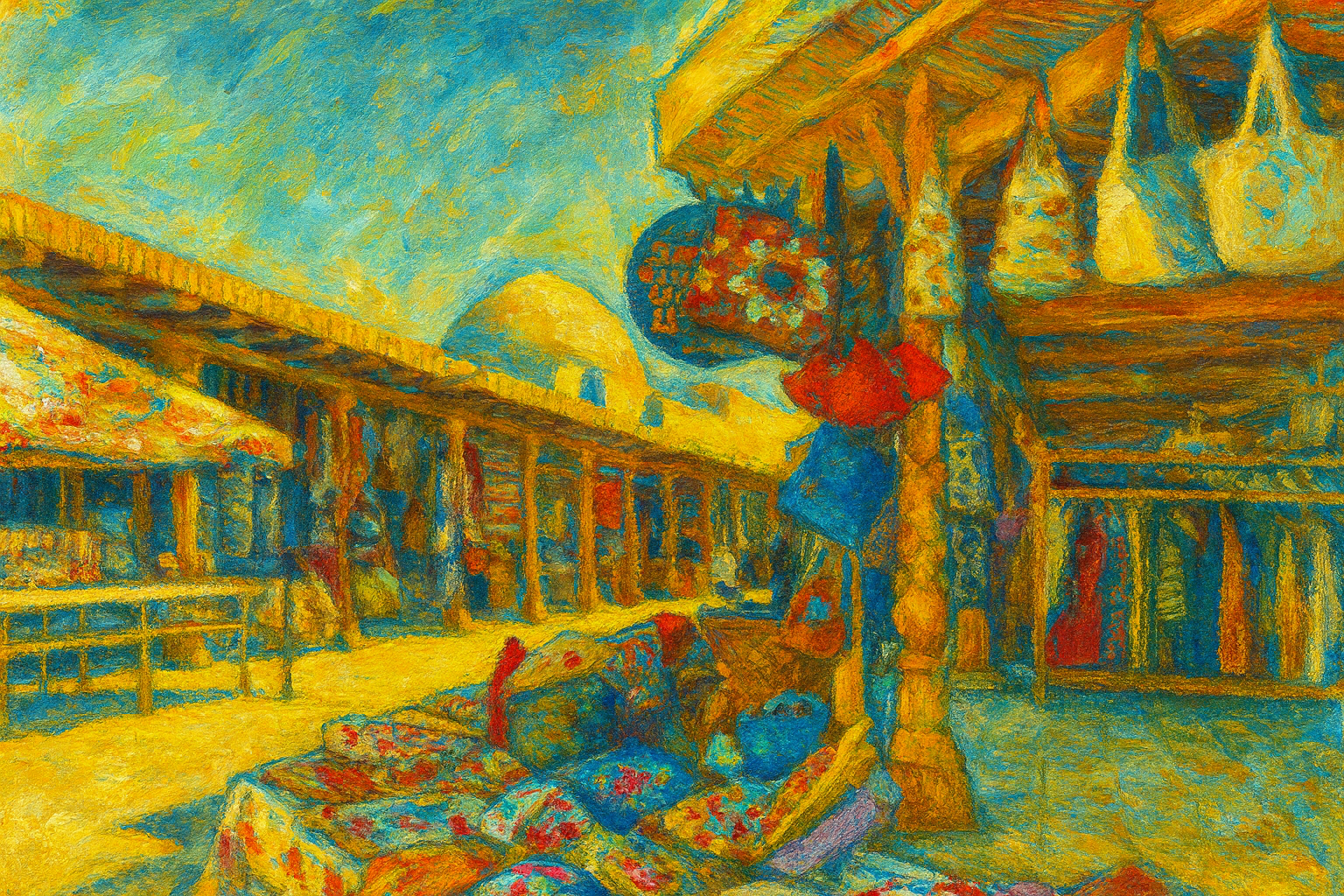
Toqi Telpak Furushon
One of the city’s historic domed trading centers, once filled with hat sellers and silk traders. Today, it's perfect for picking up handicrafts, textiles and vintage charm.
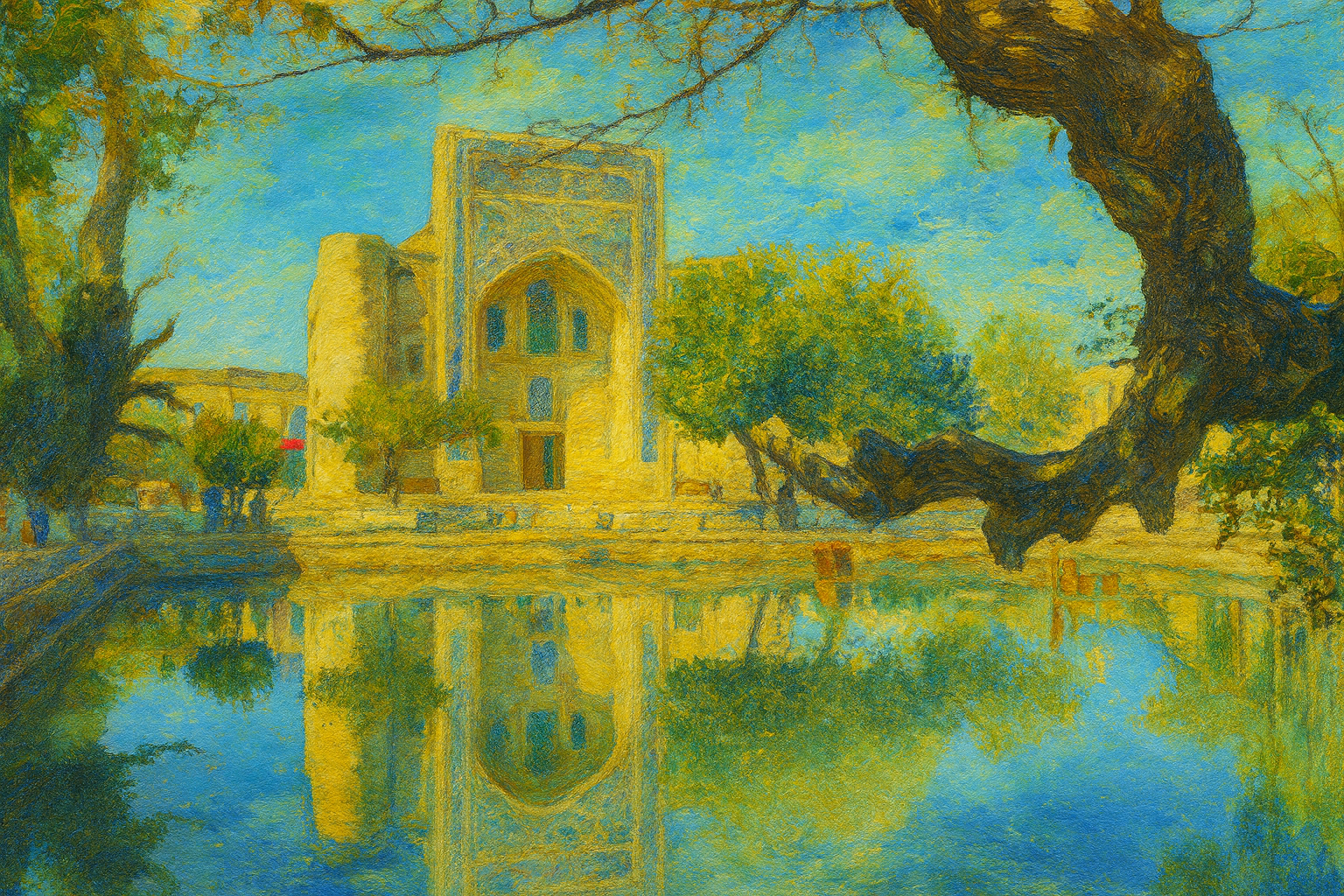
Lyabi Khauz / Labi Hovuz
This central plaza, framed by ancient buildings and a tranquil pond, is the beating heart of Bukhara. Ideal for people watching over a pot of green tea.
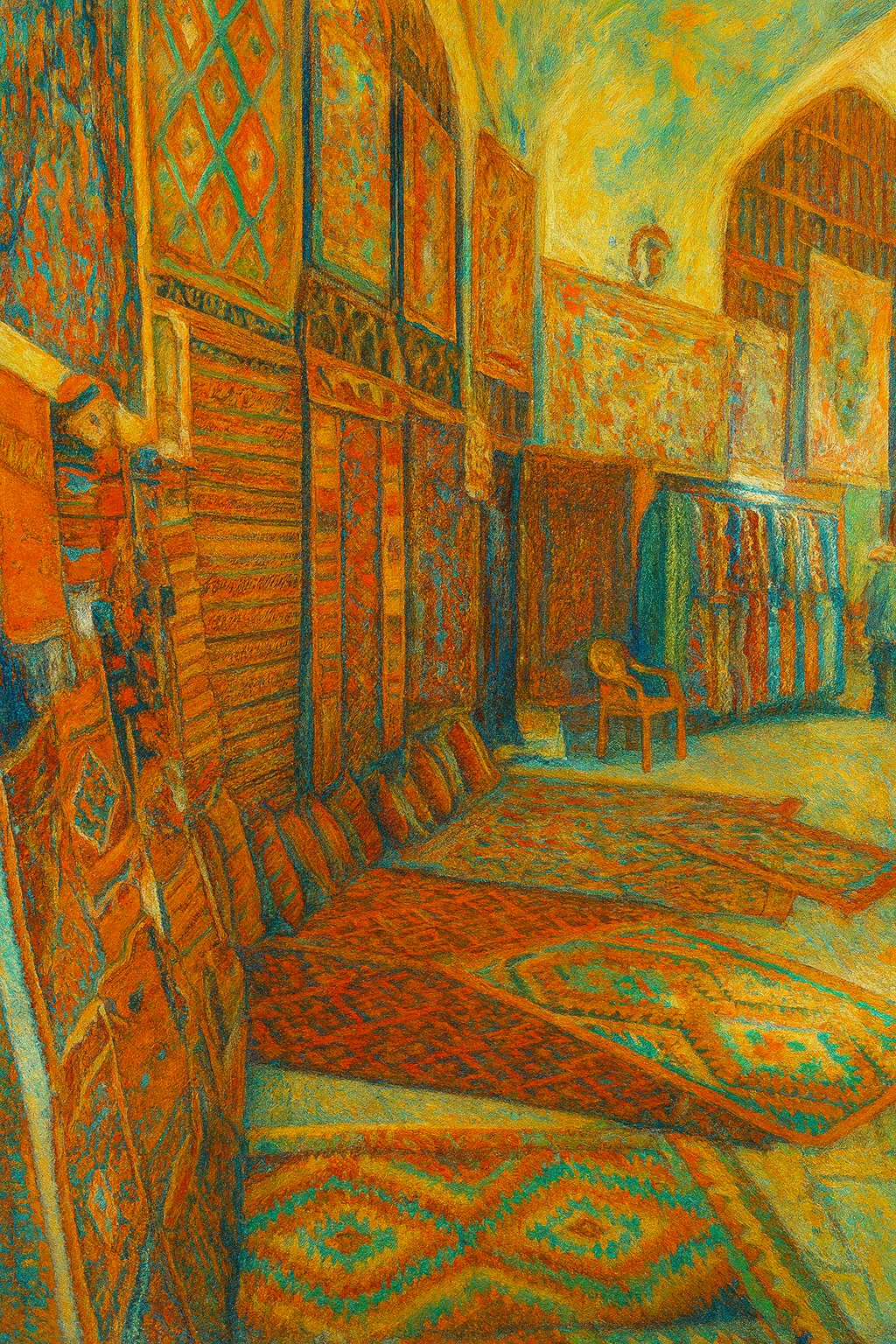
Central Bazaar
Bukhara’s main marketplace where you can haggle for spices, scarves and souvenirs, or just soak in the colors and chaos of daily Uzbek life.
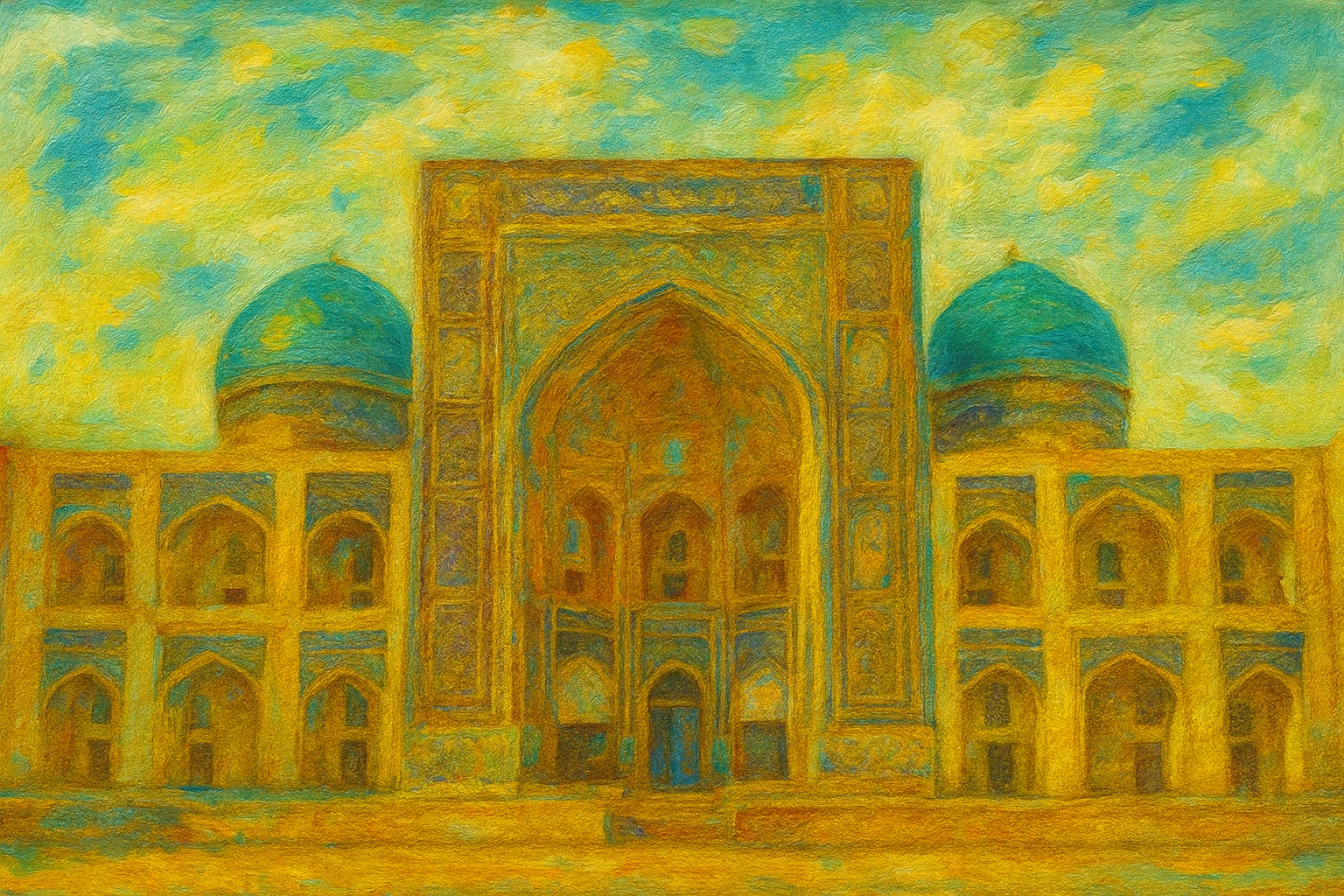
Mir-i-Arab Madrasa
One of Bukhara’s most iconic Islamic institutions, the Mir-i-Arab Madrasa stands as a symbol of spiritual and scholarly legacy. Built in the 16th century, this functioning religious school has trained generations of Islamic scholars and Sufis. With its grand façade, intricate tilework and quiet courtyards, it reflects the deep reverence for learning that defined Bukhara as a center of Islamic thought.
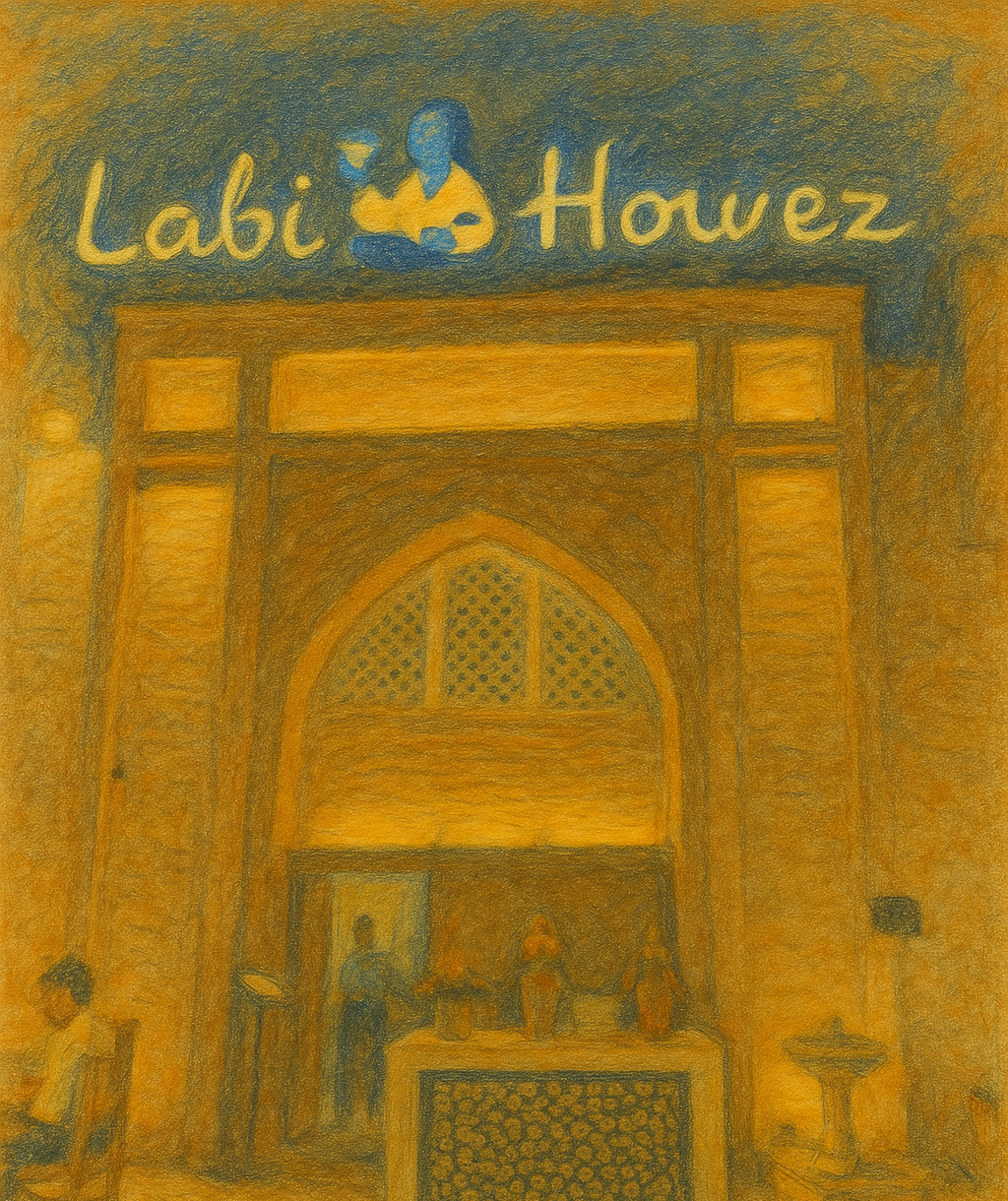
Lyabi Khauz / Labi Hovuz
A peaceful oasis in the center of Bukhara, Lyabi Khauz is surrounded by centuries-old madrasas and shaded by mulberry trees. The still pond at its heart once served as a vital water source, but today it draws locals and travelers alike to unwind, sip tea, and soak in the timeless atmosphere. It’s where history, community, and calm quietly coexist.
Nadir Divan-Begi Khanaka & Madrasah
Located near the scenic Lyabi-Hauz, this complex was built in the 17th century by Vizier Nadir, a trusted official of Imamkuli Khan of the Ashtarkhanid dynasty. Unlike earlier war-driven eras, Imamkuli’s reign was marked by relative peace and a focus on architecture and city development reflected in the elegant design of the madrasah and khanaka.
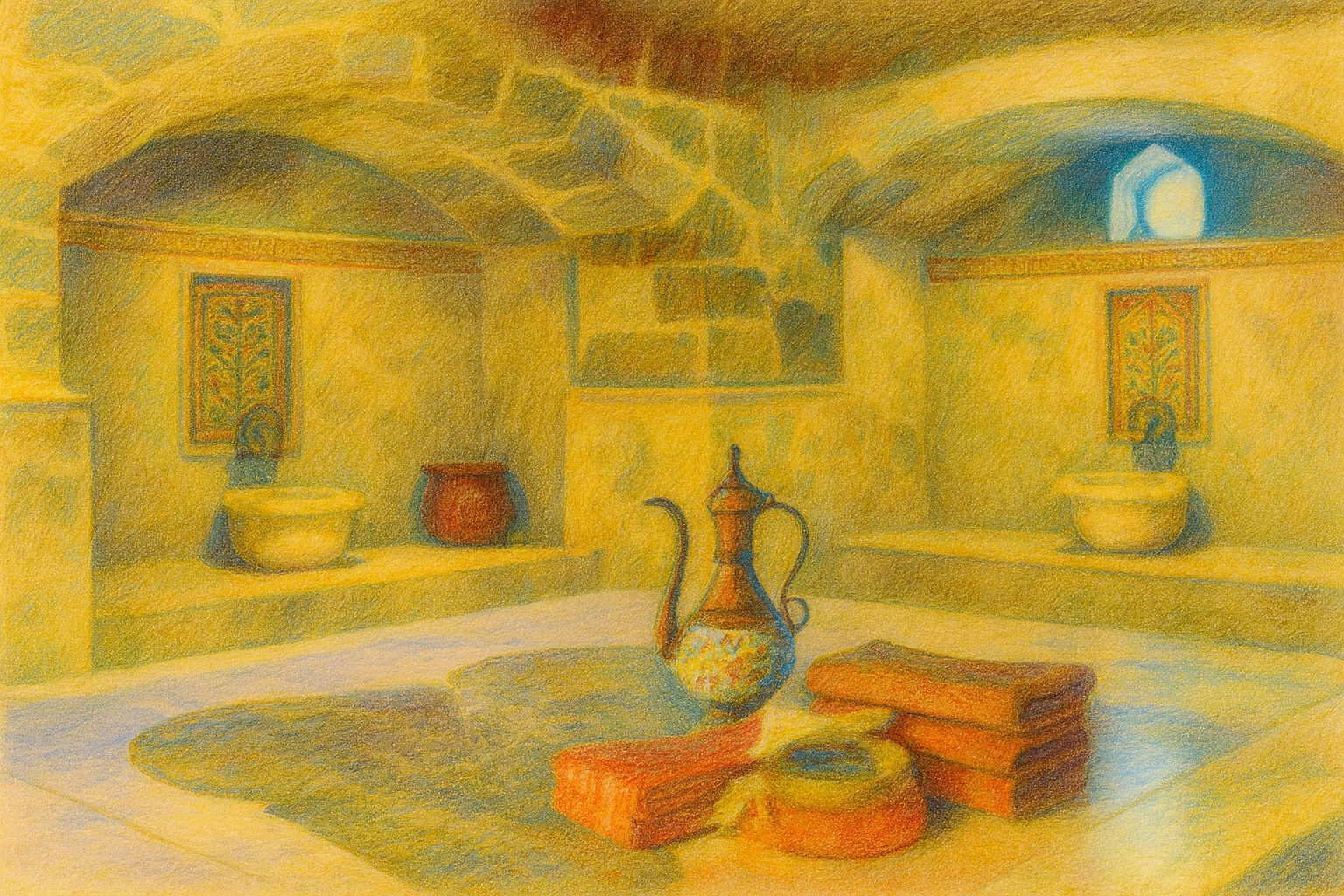
Bozori Kord Bathhouse
Step into history (literally) at this centuries-old hammam. Traditional bath rituals and massages here give you a sense of Bukhara’s old-world luxury.
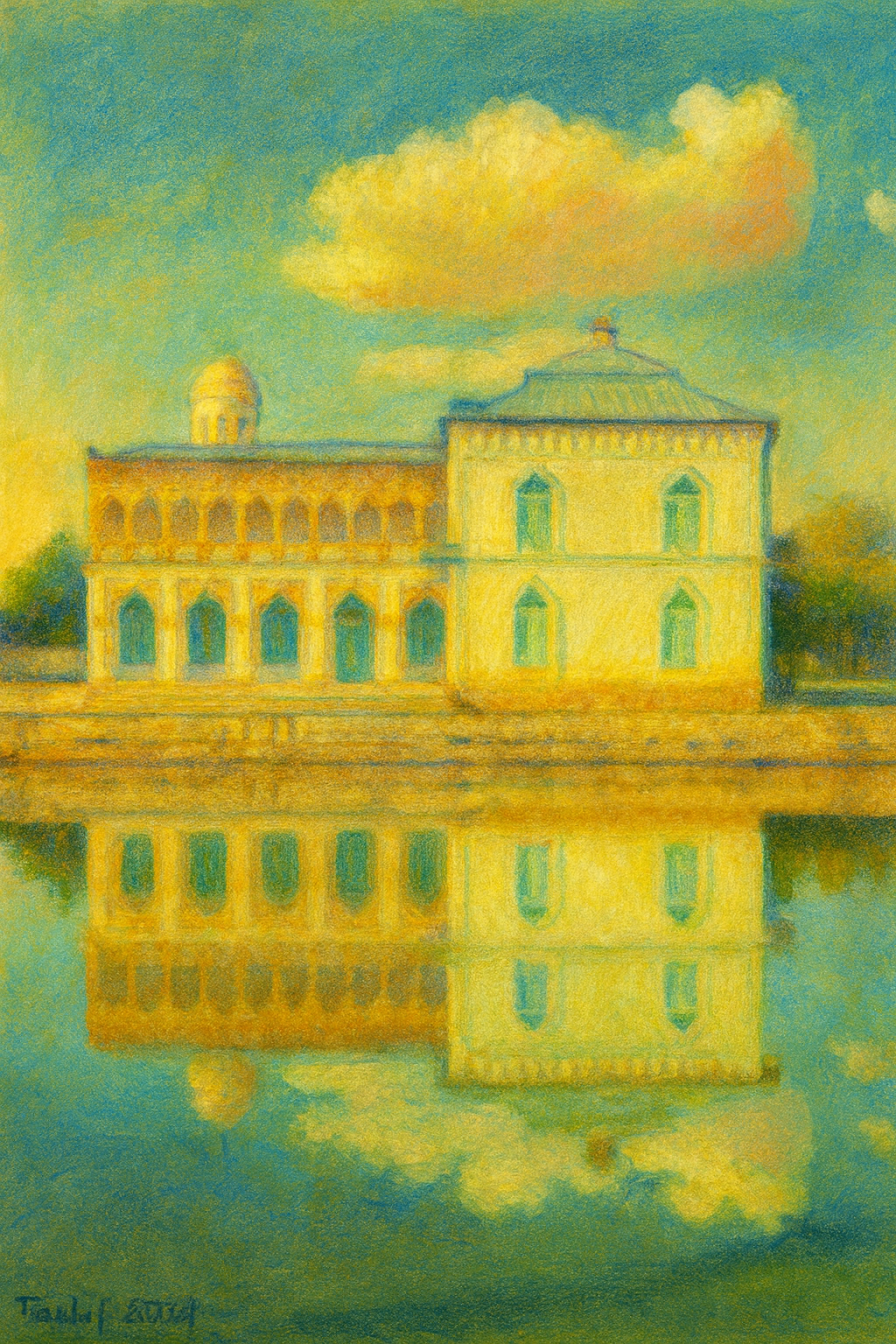
Sitorai Mokhi-Khosa Palace
While known as a former royal residence, the expansive gardens, delicate aesthetics and tranquil ambiance make it a wonderful space for reflection. A blend of Persian, Russian and Uzbek influences, it’s a sanctuary of design and stillness.
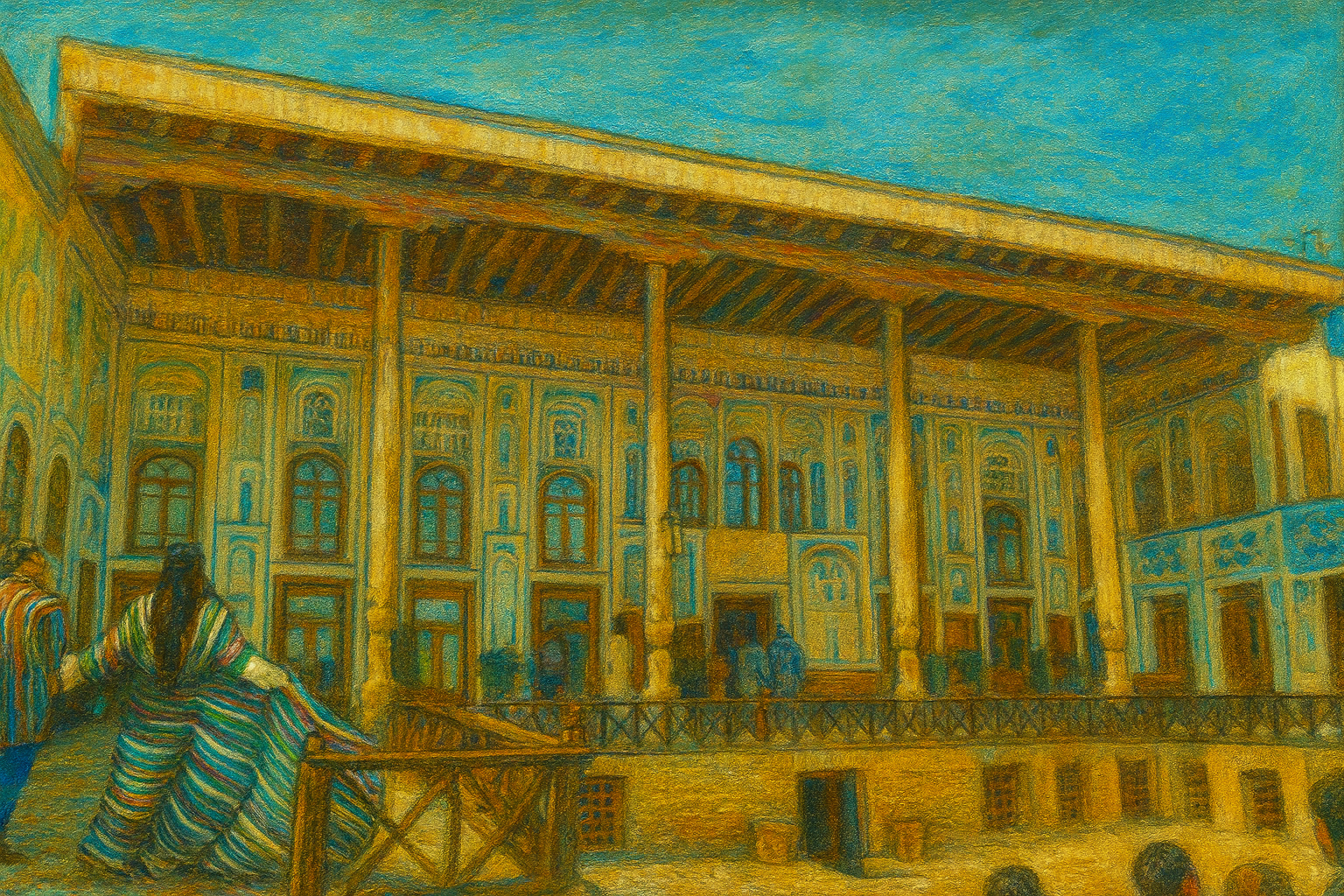
Fayzulla Khodjaev House Museum
Though technically a cultural museum, its calm courtyards, traditional architecture, and historical artifacts offer a quiet escape into Bukhara’s way of life. It’s a great place for conscious travelers who appreciate cultural purity and slow exploration.