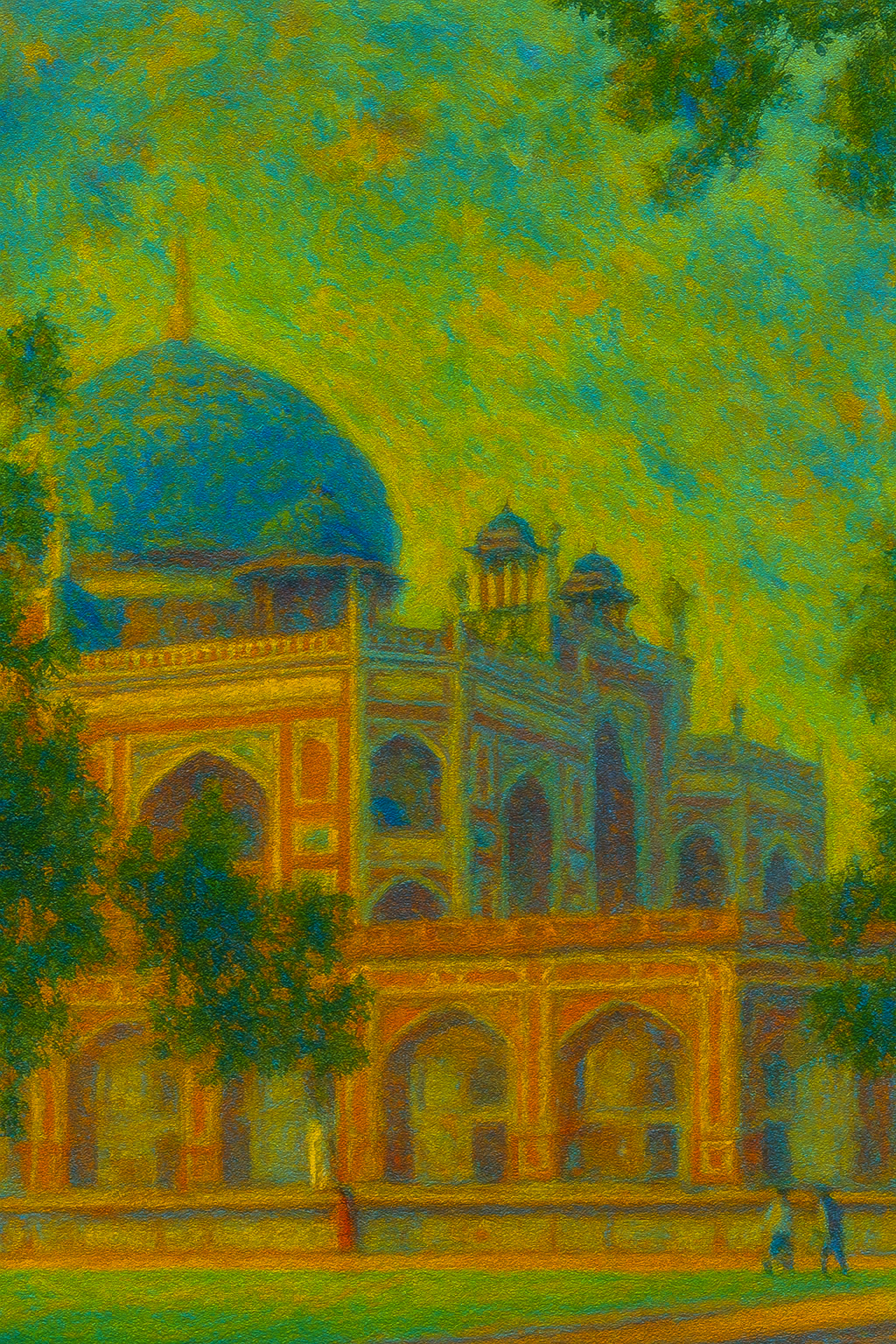
Humayun’s Tomb
The precursor to the Taj Mahal, this 16th-century Mughal masterpiece is more than a tomb—it’s a garden of eternity. The symmetry, the red sandstone kissed by marble, the serene Charbagh layout: it all breathes of Persian ideals reborn on Indian soil. Time slows here, and silence speaks.
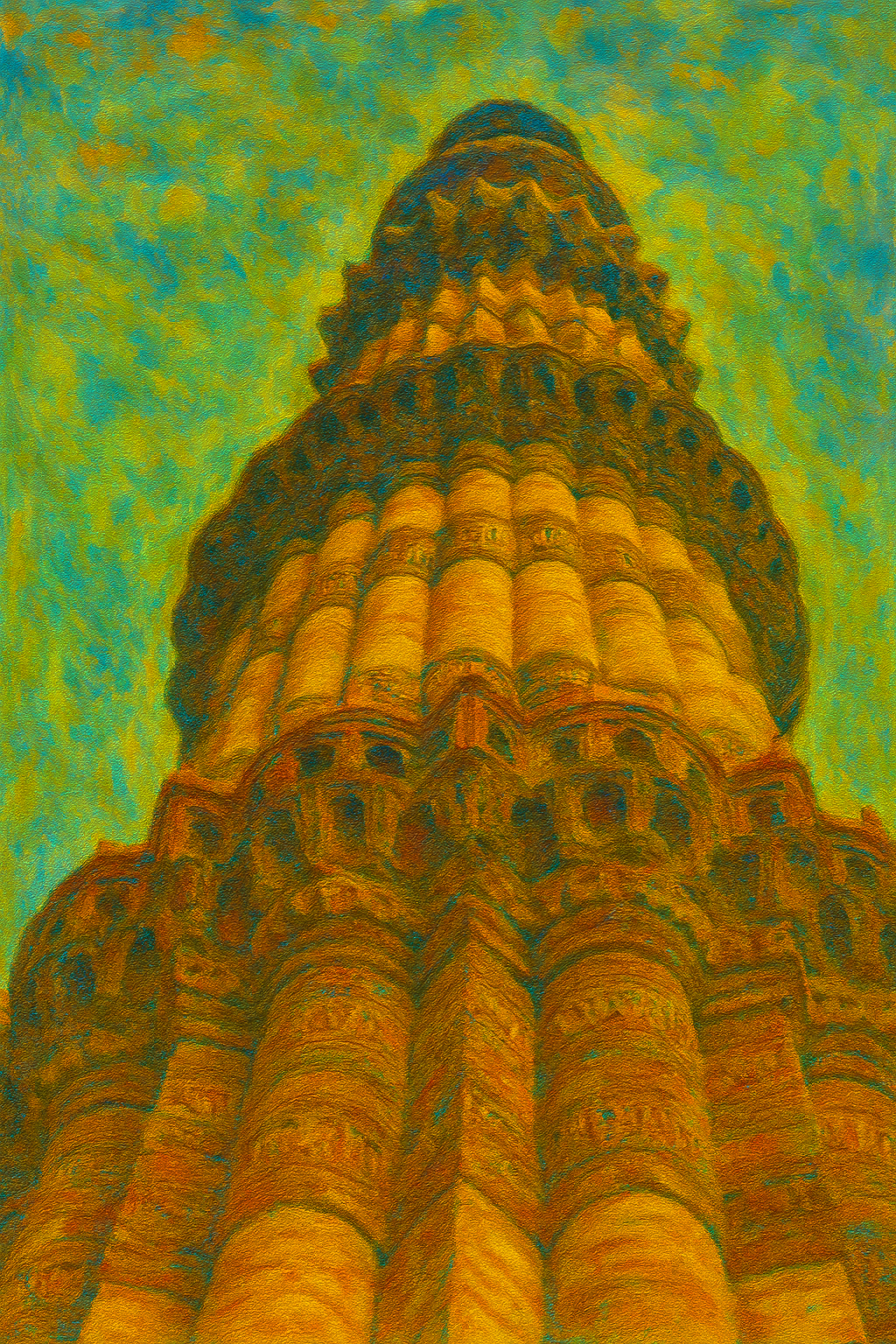
Qutub Minar Complex
A monument of victory, and yet a palimpsest of Delhi’s earliest Islamic past. The 72- meter-tall minaret rises like a flame beside ancient sandstone mosques and the mysterious Iron Pillar. Walk through crumbling colonnades where Indo-Islamic and Hindu craftsmanship merge—an architectural dialogue across eras.
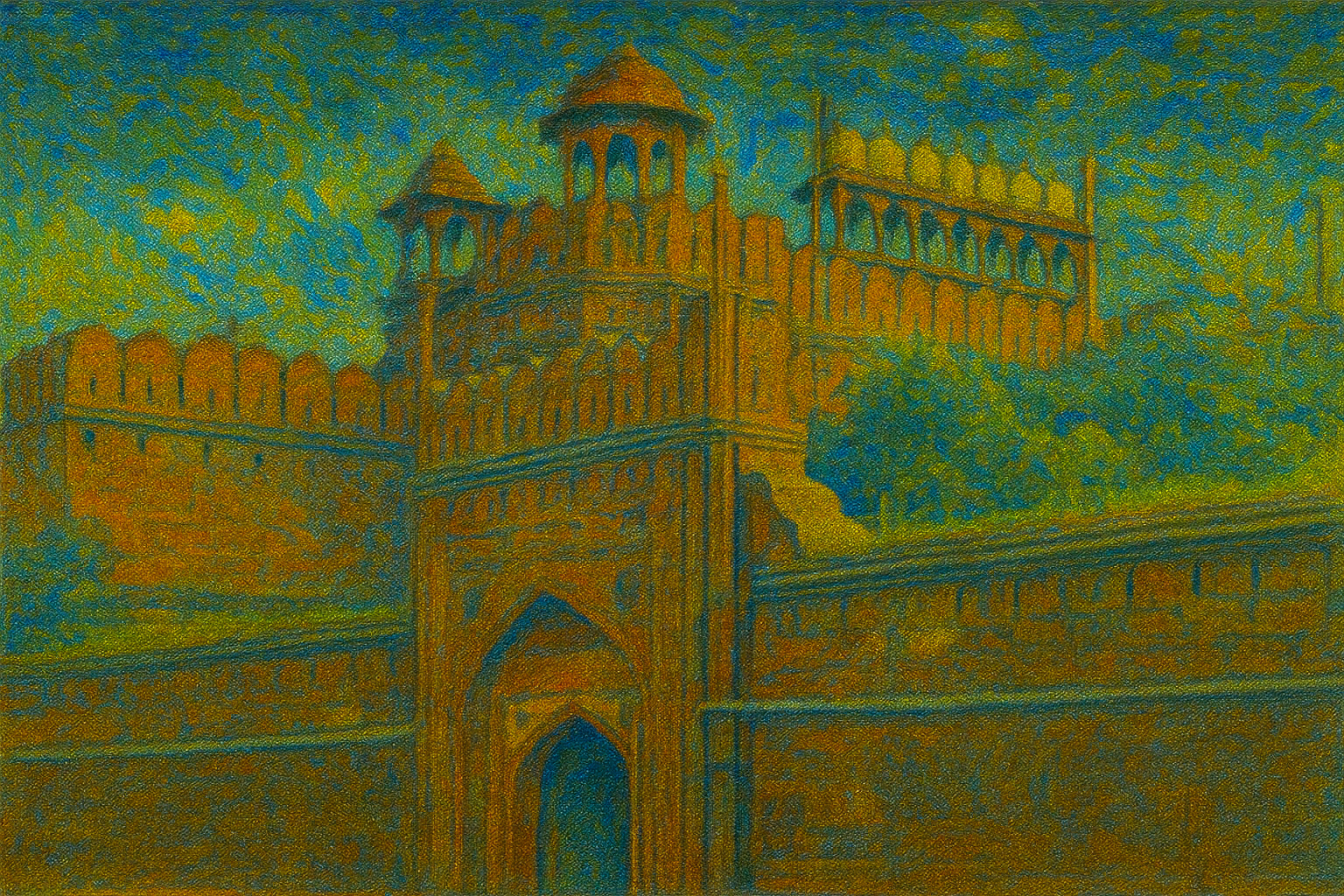
Red Fort
Not just an icon, but a memory carved in red sandstone. The Lal Qila was the ceremonial heart of Shah Jahan’s empire—a walled cosmos of power, pavilions, and poetry. Imagine the shimmer of silk, the fragrance of attar, the rhythms of courtly life echoing through its vaulted halls.
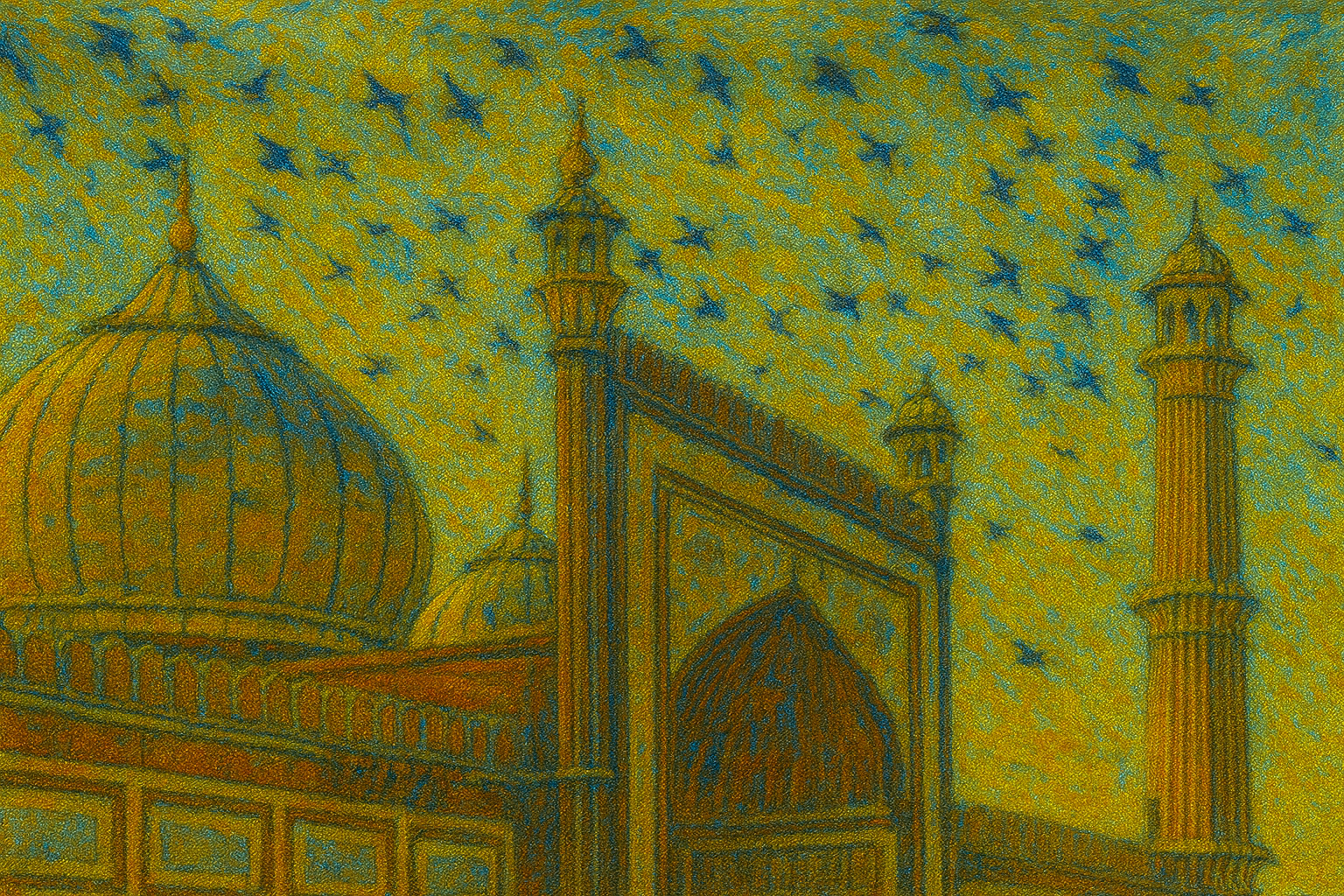
Jama Masjid
Towering steps lead you into India’s largest mosque—Shah Jahan’s other marvel. Marble domes, black calligraphy, red minarets every inch grand, every prayer amplified by the sheer scale. But come during a quiet morning, and it transforms into a gentle meditation under wide skies.

Rashtrapati Bhavan
At the summit of Rajpath, behold colonial pomp reimagined through Indian eyes. Edwin Lutyens’ imperial vision fuses Mughal domes with classical symmetry—power, yes, but also astonishing aesthetic restraint. It’s the architectural full stop of New Delhi’s imperial sentence.
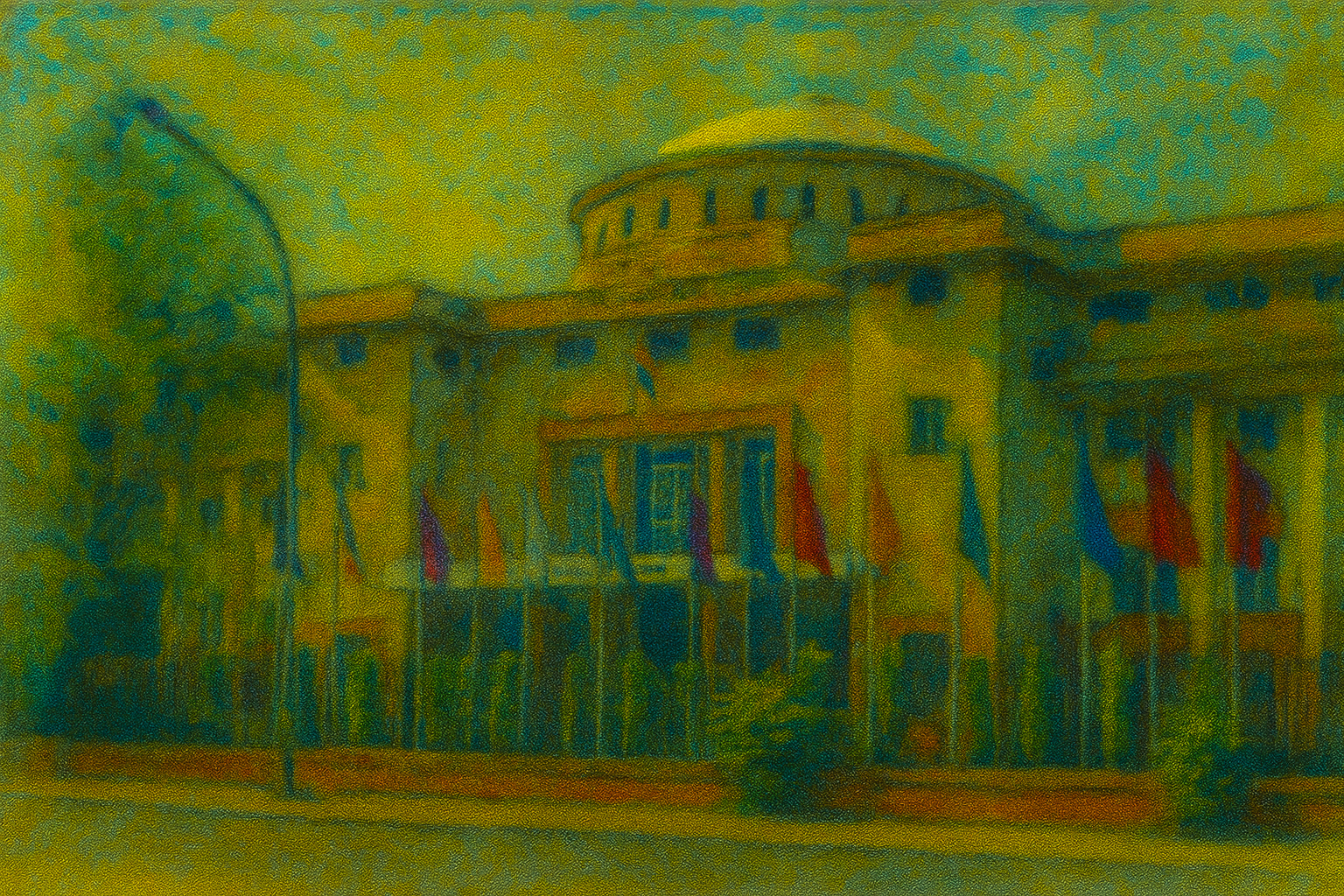
National Museum
Step through its grand stone portals and into a cathedral of history. From the erotic terracottas of the Indus Valley to the serene bronze Buddhas of the South, this treasure trove lets you hold millennia in a glance. Each gallery is a journey—an empire, a belief, a forgotten art form resurrected in silence.
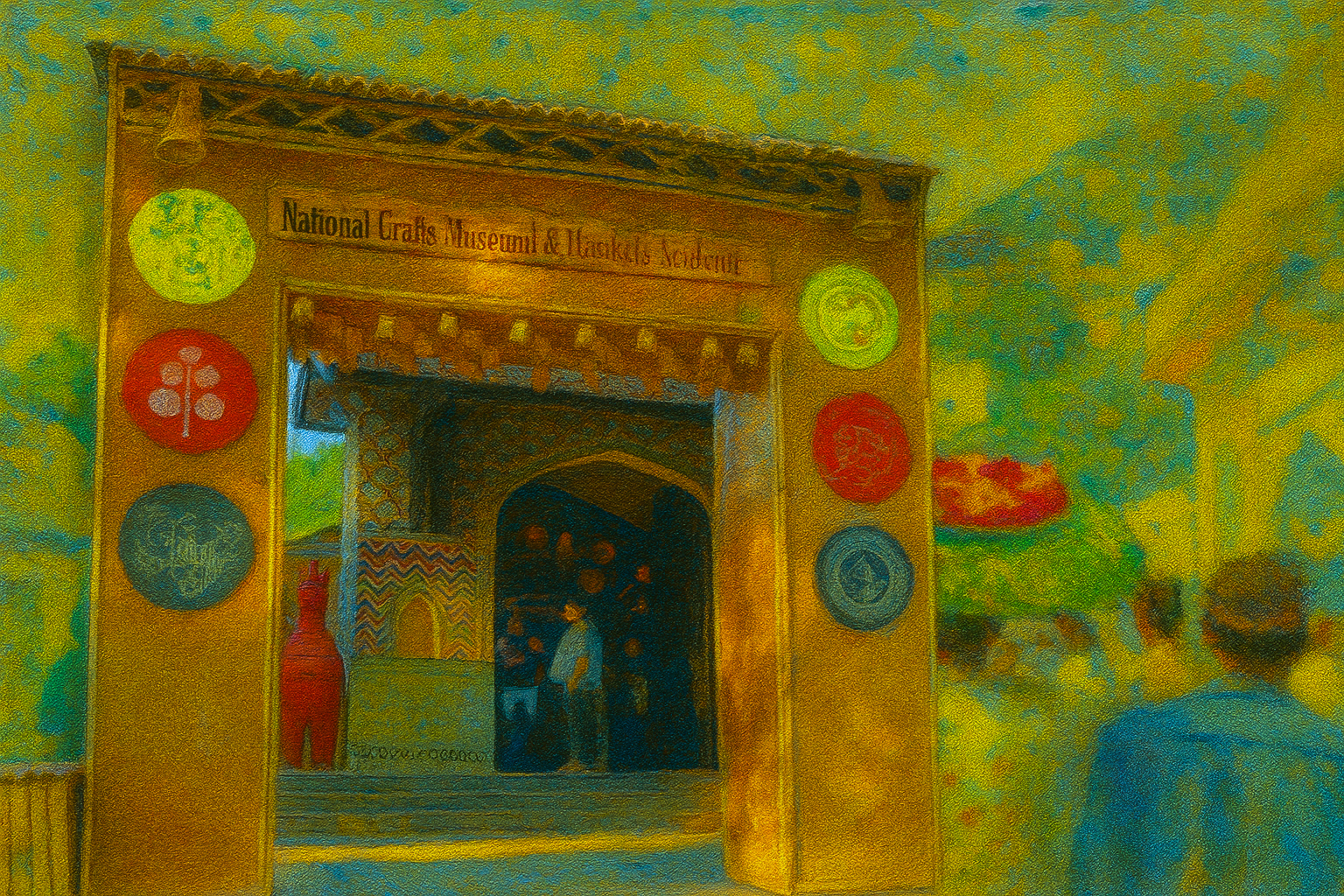
Crafts Museum
A sanctuary of India’s handmade soul. Clay, thread, mirror, pigment these are the languages spoken here by weavers, potters, and tribal artists. Wander its open courtyards and reconstructed village huts; this is India beyond Delhi, curated with care but pulsing with authenticity.
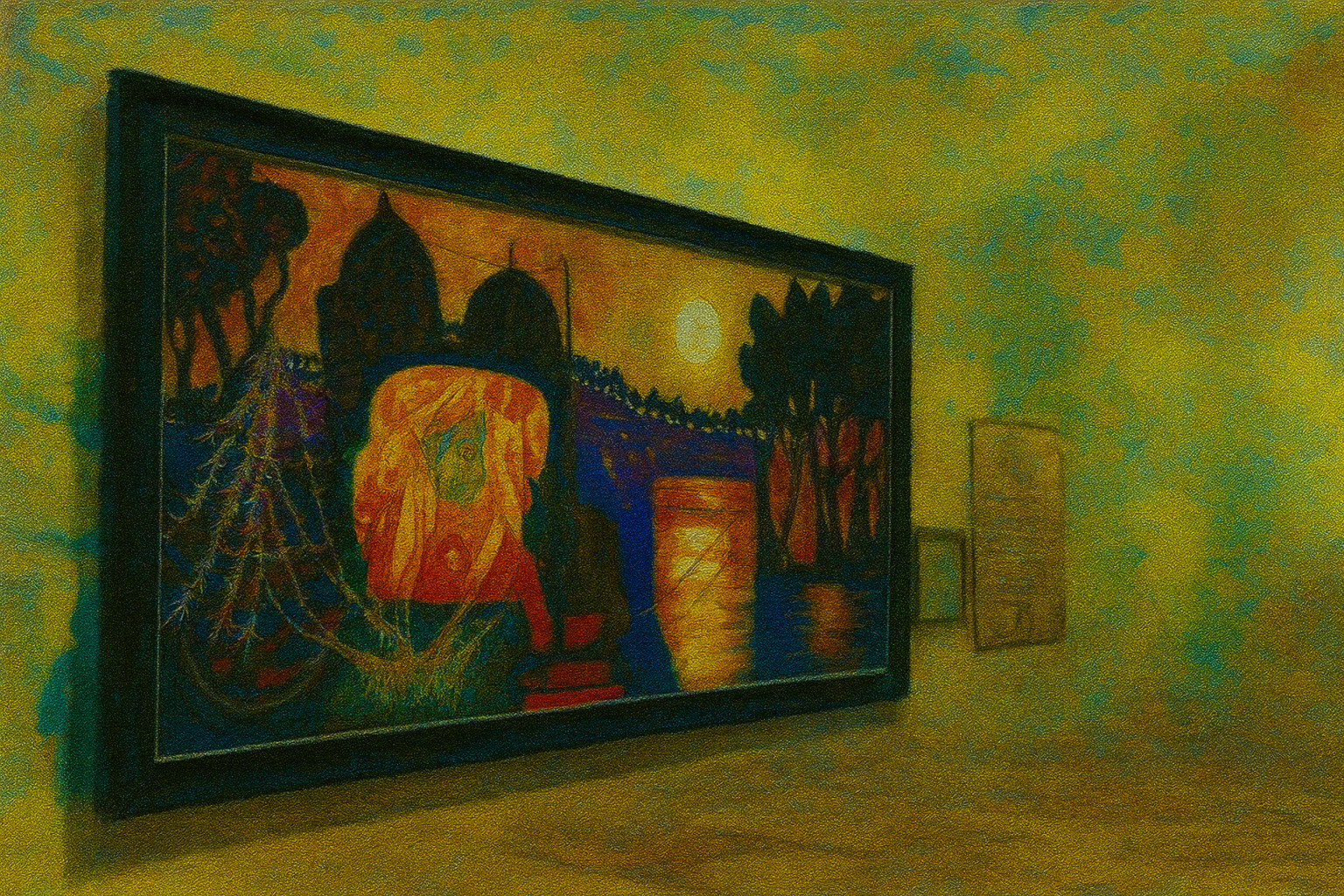
Kiran Nadar Museum of Art
A space that redefines Delhi’s relationship with modernity. Inside this sleek, contemporary gallery, you’ll encounter Indian modernists who painted rebellion, Partition, memory, and the absurdities of post-colonial life. A powerful space for reflection, identity, and artistic confrontation.
Triveni Kala Sangam
A quieter gem. This intimate cultural complex draws students, thinkers, and artists into its cafés and studios. Attend a casual sitar recital, stumble upon a pottery workshop, or simply pause in its courtyard café, where conversations on art echo as gently as tabla rhythms.
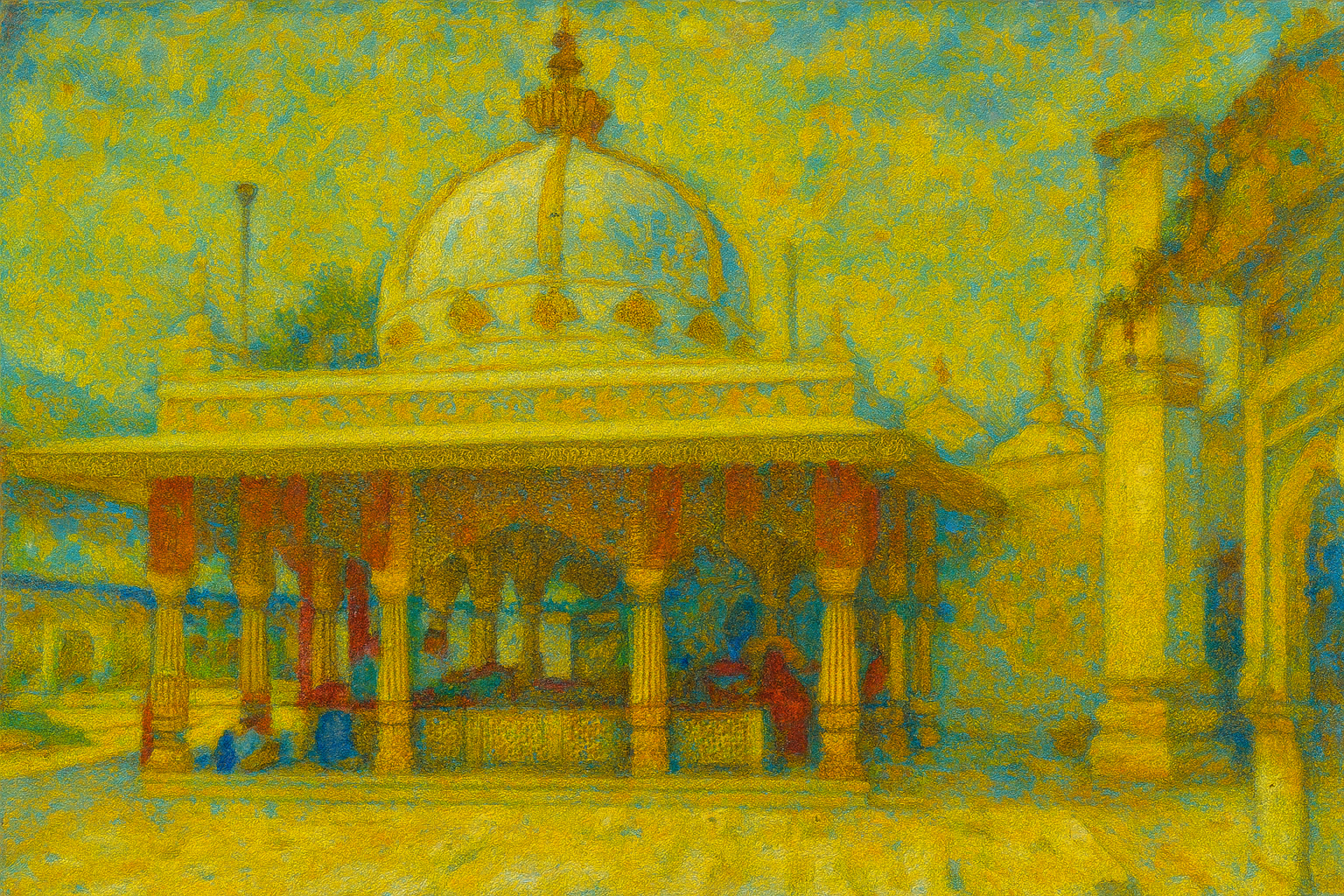
Hazrat Nizamuddin Auliya Dargah
This is not just a tomb it’s a threshold. One of the most powerful spiritual epicenters in India, the dargah of Hazrat Nizamuddin draws poets, beggars, bureaucrats, and believers alike. Walk barefoot through its narrow lanes as qawwals sing under the moonlight. The air is thick with rose petals, incense, and a love that refuses to die.
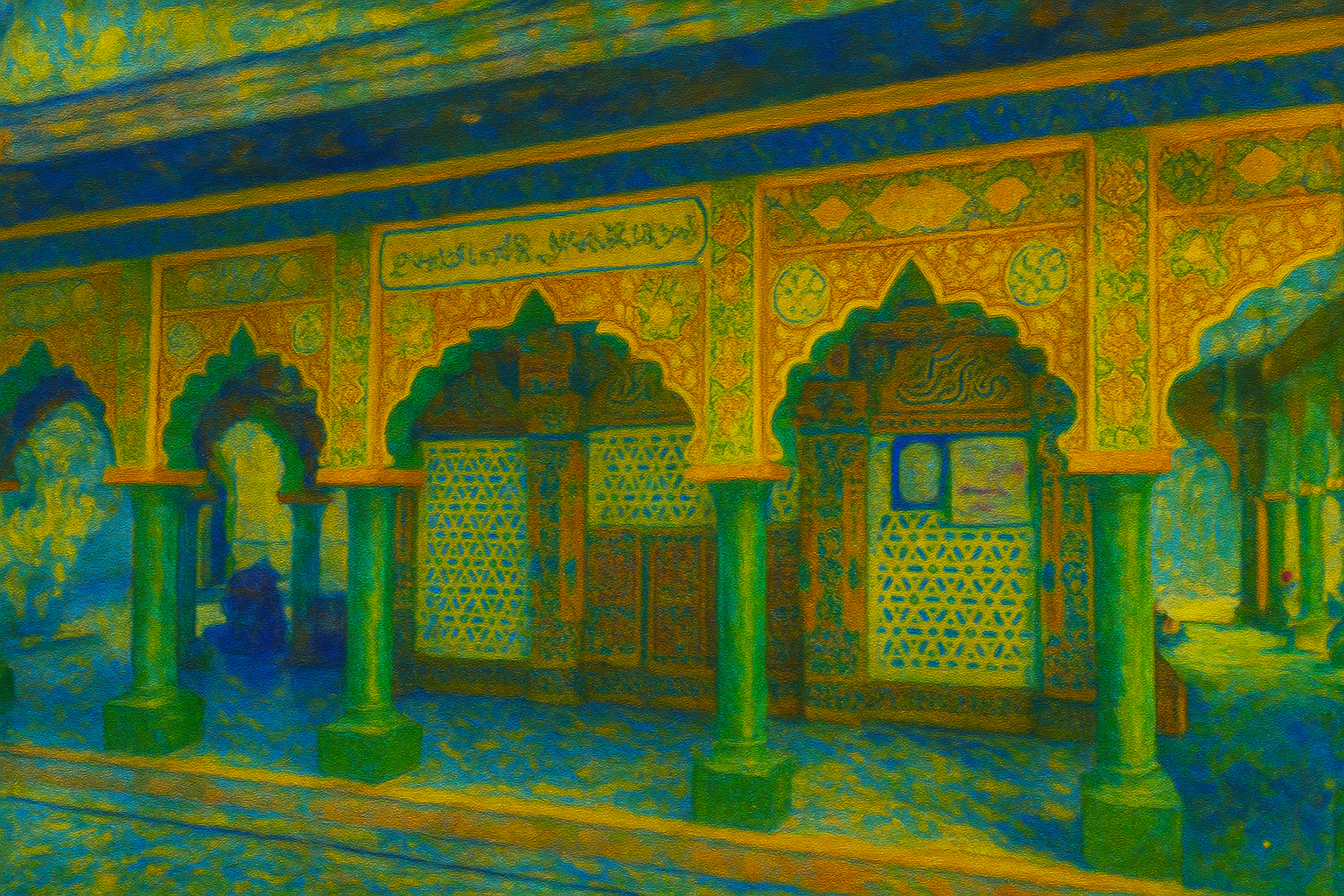
Chirag Dilli Dargah
Quieter than Nizamuddin, but no less potent. The resting place of Nasiruddin Mahmud, the “Lamp of Delhi,” glows softly in the southern part of the city. Its worn stone walls and shaded courtyards offer sanctuary for those seeking reflection. On Thursdays, the verses of mystic poets still ring here, gently stitching hearts together.
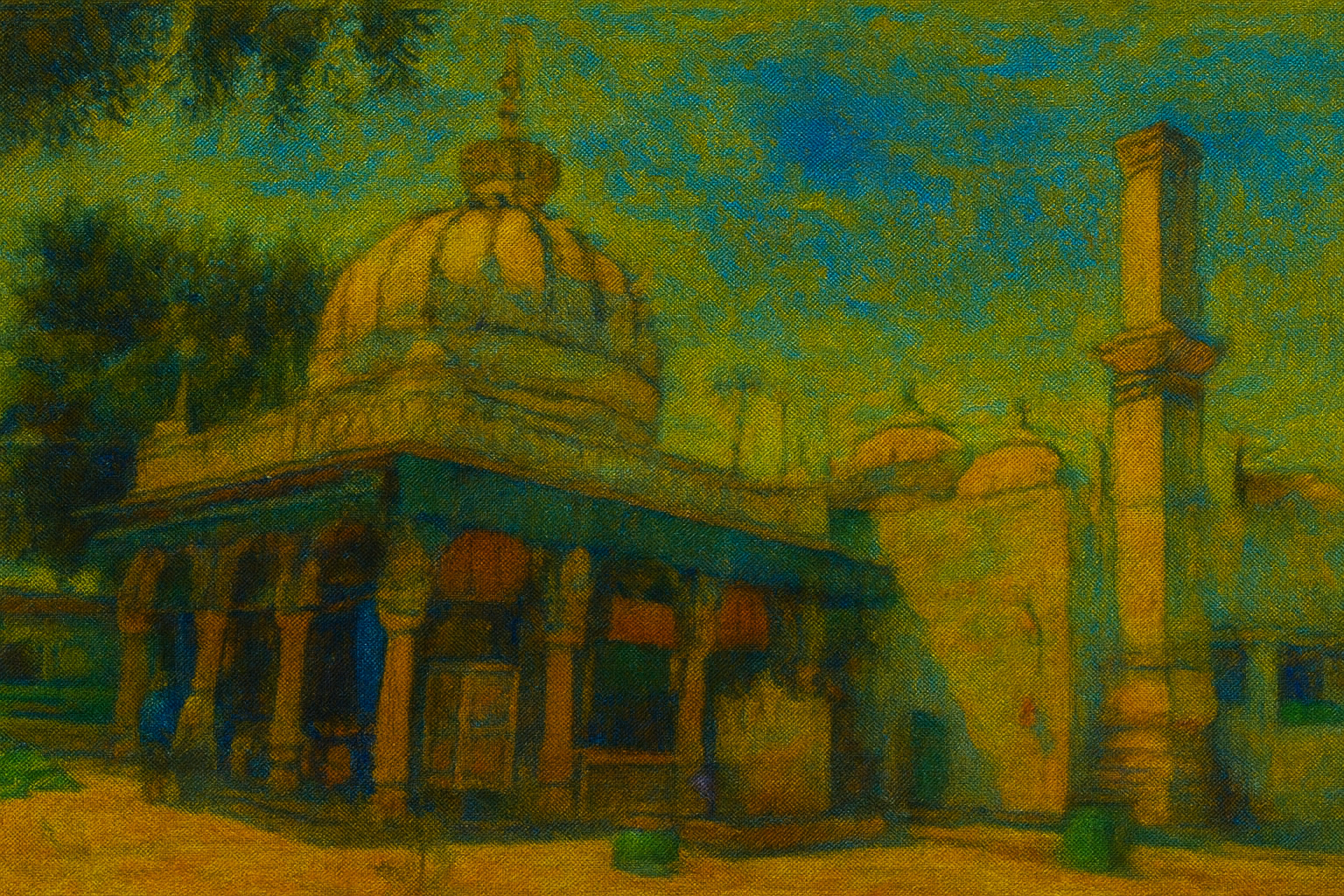
Qutbuddin Bakhtiyar Kaki Dargah
Older than even Nizamuddin, this dargah in Mehrauli holds the remains of the second great Chishti saint of India. It is here that emperors once shed their crowns and sought blessings. Step through its whitewashed arches and into a space where centuries blur—where silence answers questions no language can form.
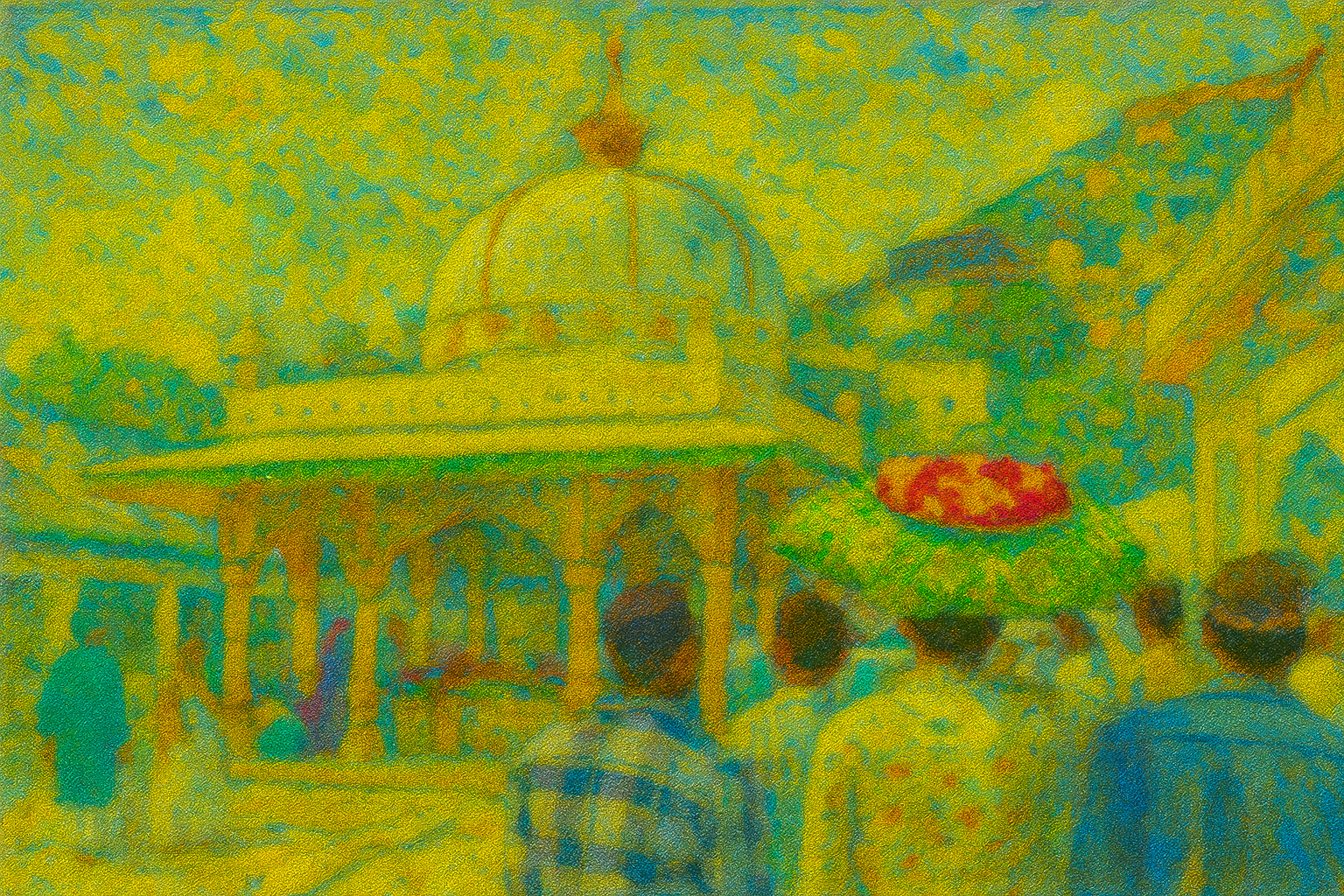
Ajmer
Ajmer, cradled in the Aravalli hills, is a city where devotion transcends boundaries and hearts find solace. At its core lies the revered Ajmer Sharif Dargah, the resting place of the great Sufi saint Khwaja Moinuddin Chishti, whose message of love, humility, and service still resonates across centuries
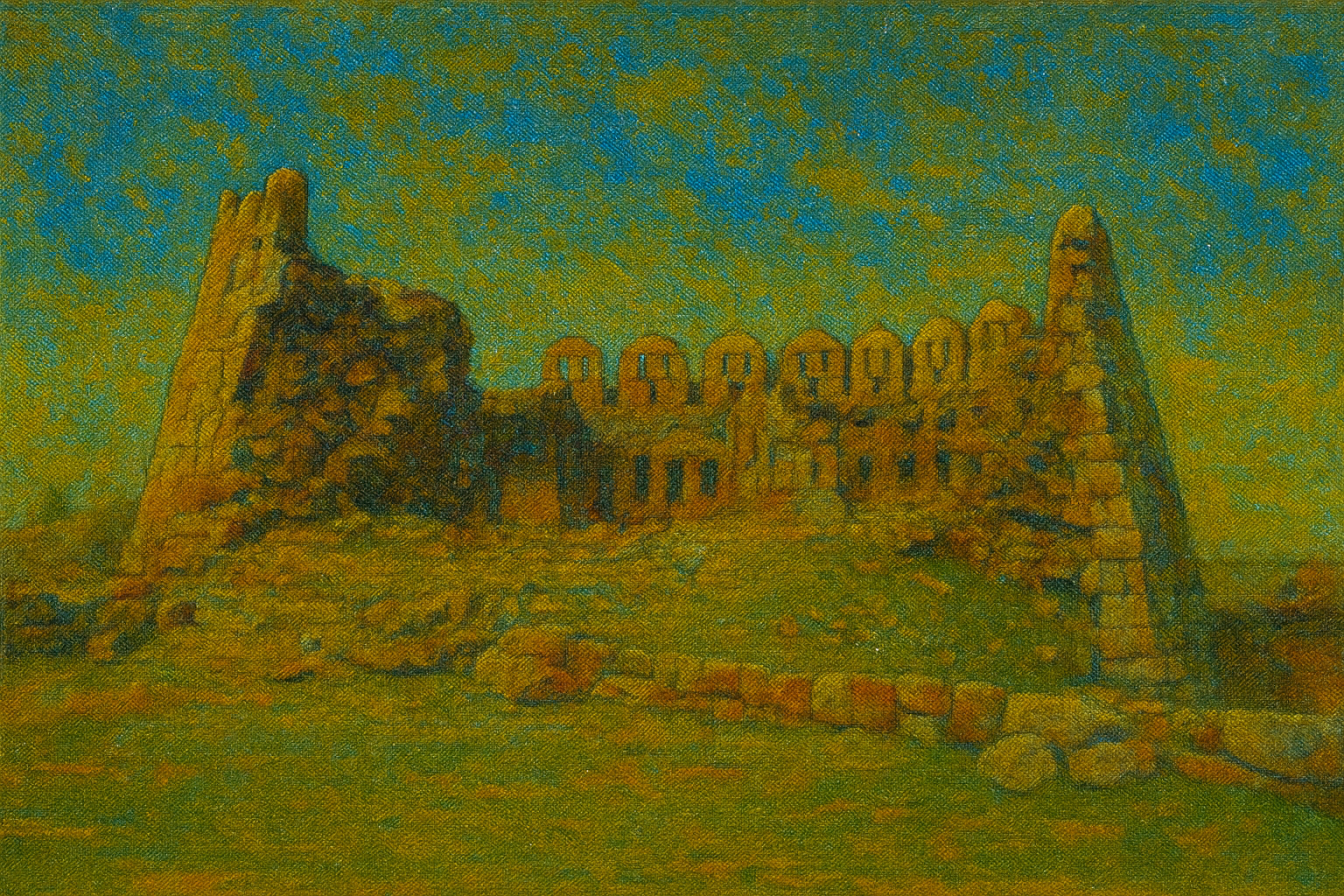
Tughlaqabad Fort Ruins
Not your typical idea of calm—but profound in its solitude. These vast stone ruins stretch across hills like the skeleton of a forgotten empire. Echoes of the wind in broken battlements remind you how silence and decay can be strangely beautiful.
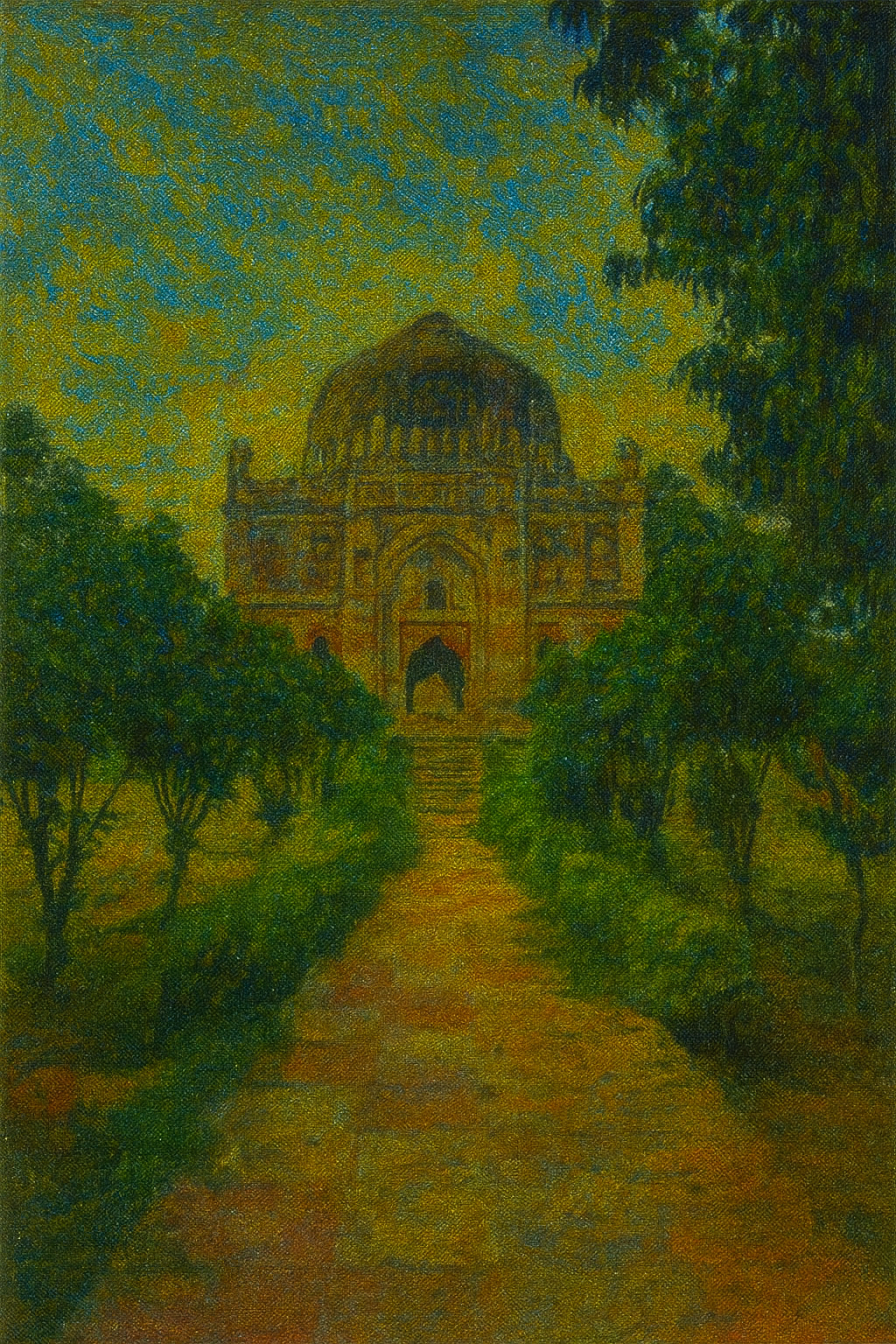
Lodhi Gardens
Beneath canopies of neem and amaltas, tombs from the 15th century sit quietly like monks in meditation. Locals jog, lovers linger, and artists sketch—but still, the gardens hum with something deeper. Come at sunrise, when the mist still kisses the stone, and feel the veil thin between you and the past.