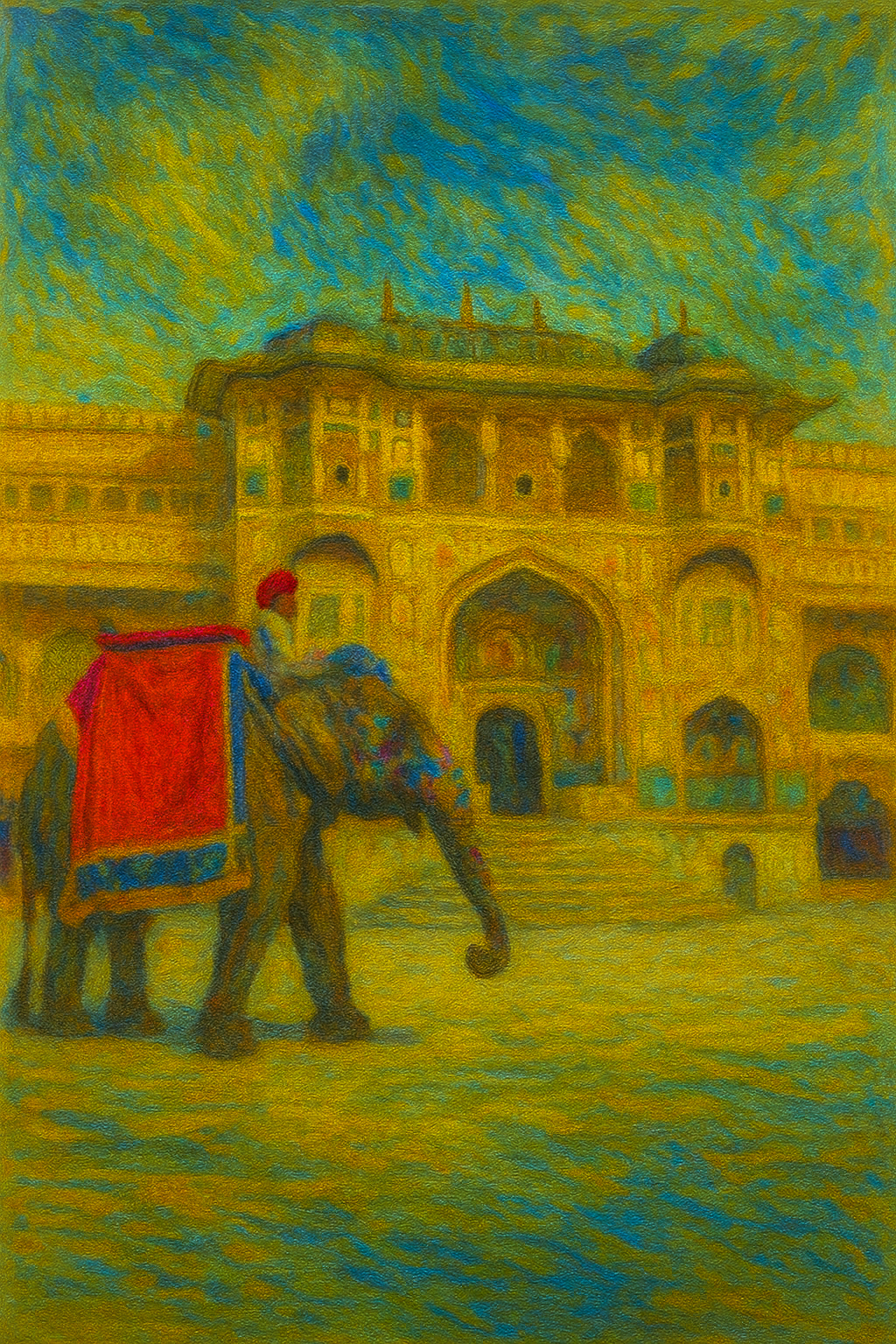
Amer Fort
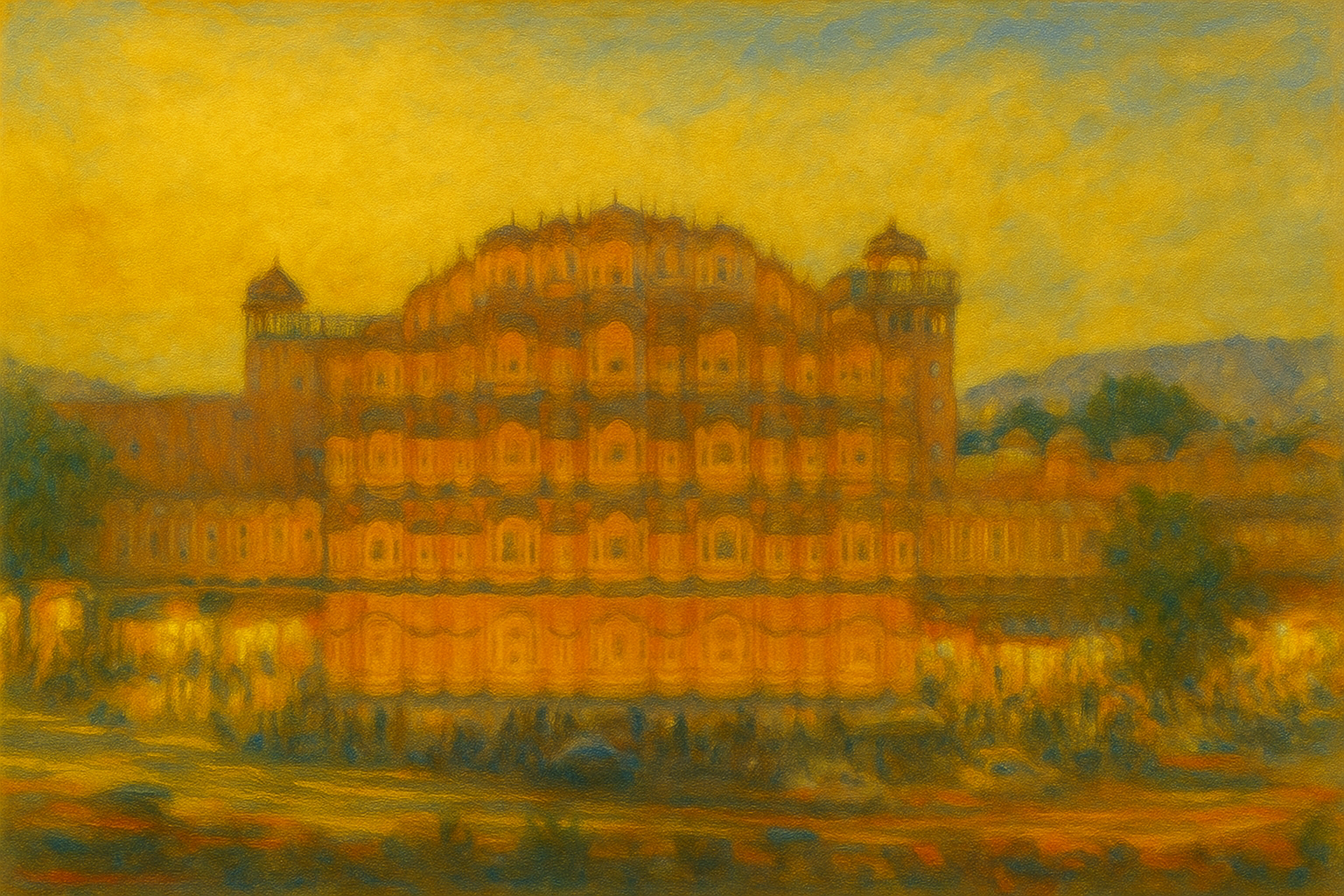
Hawa Mahal
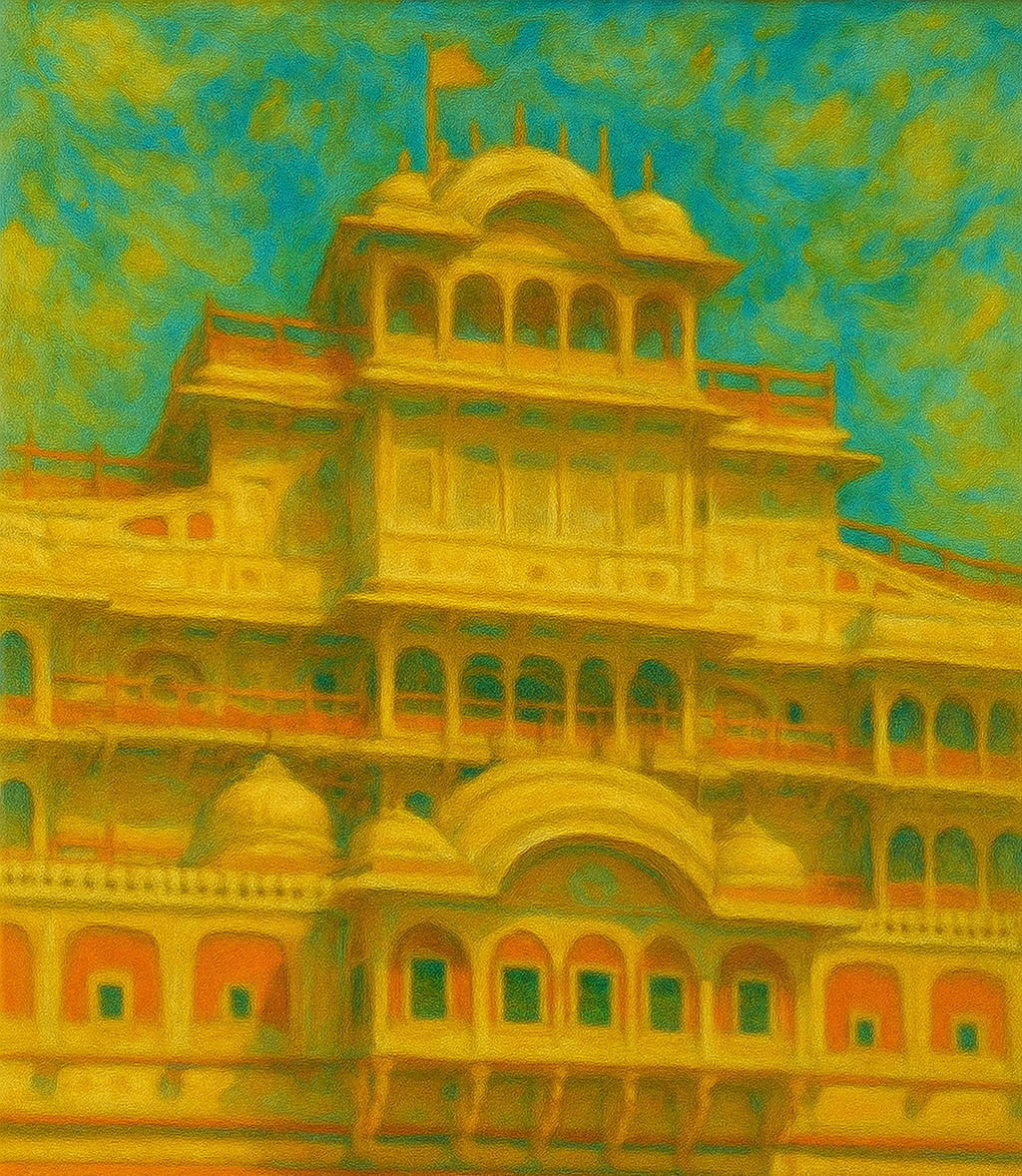
City Palace Museum
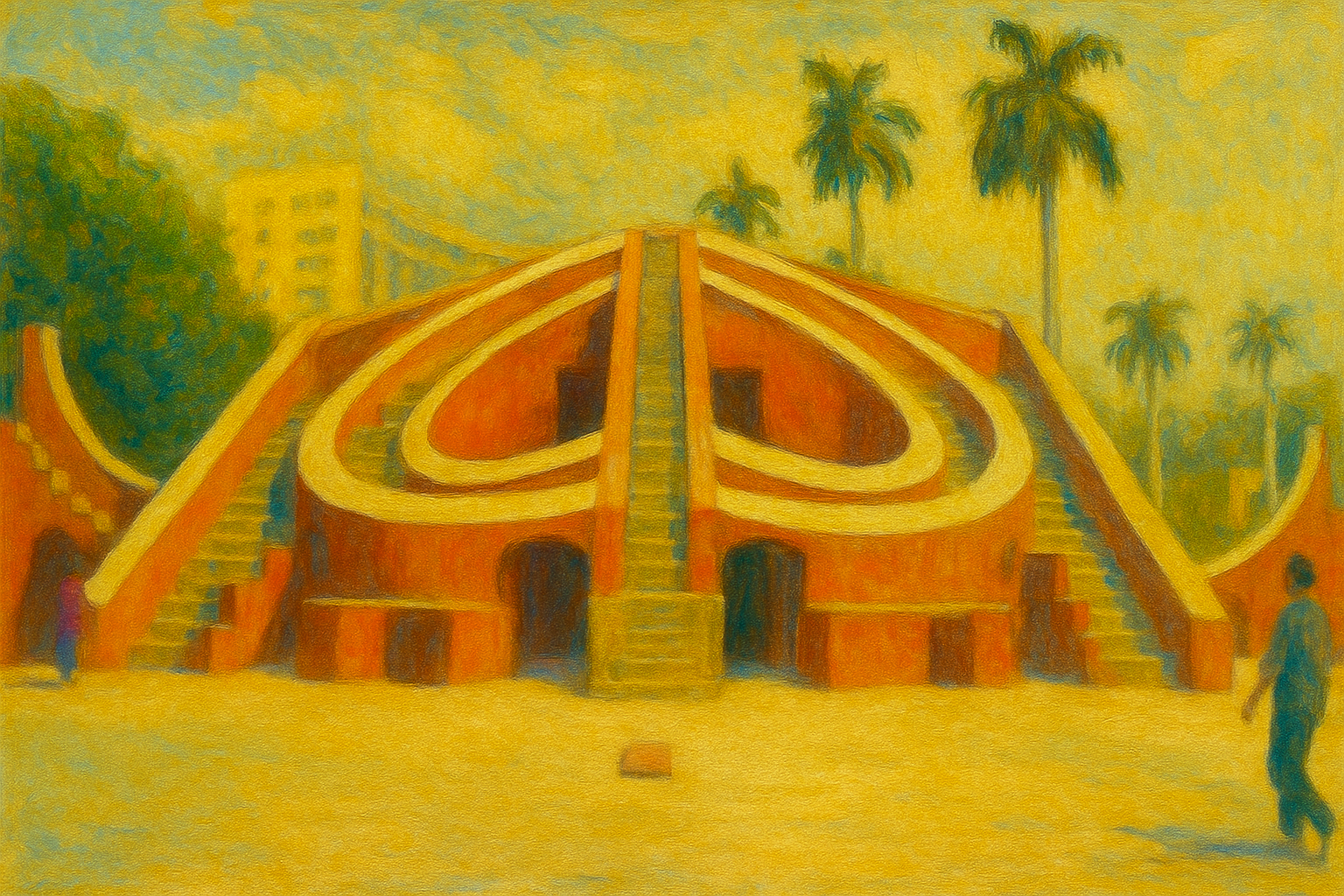
Jantar Mantar
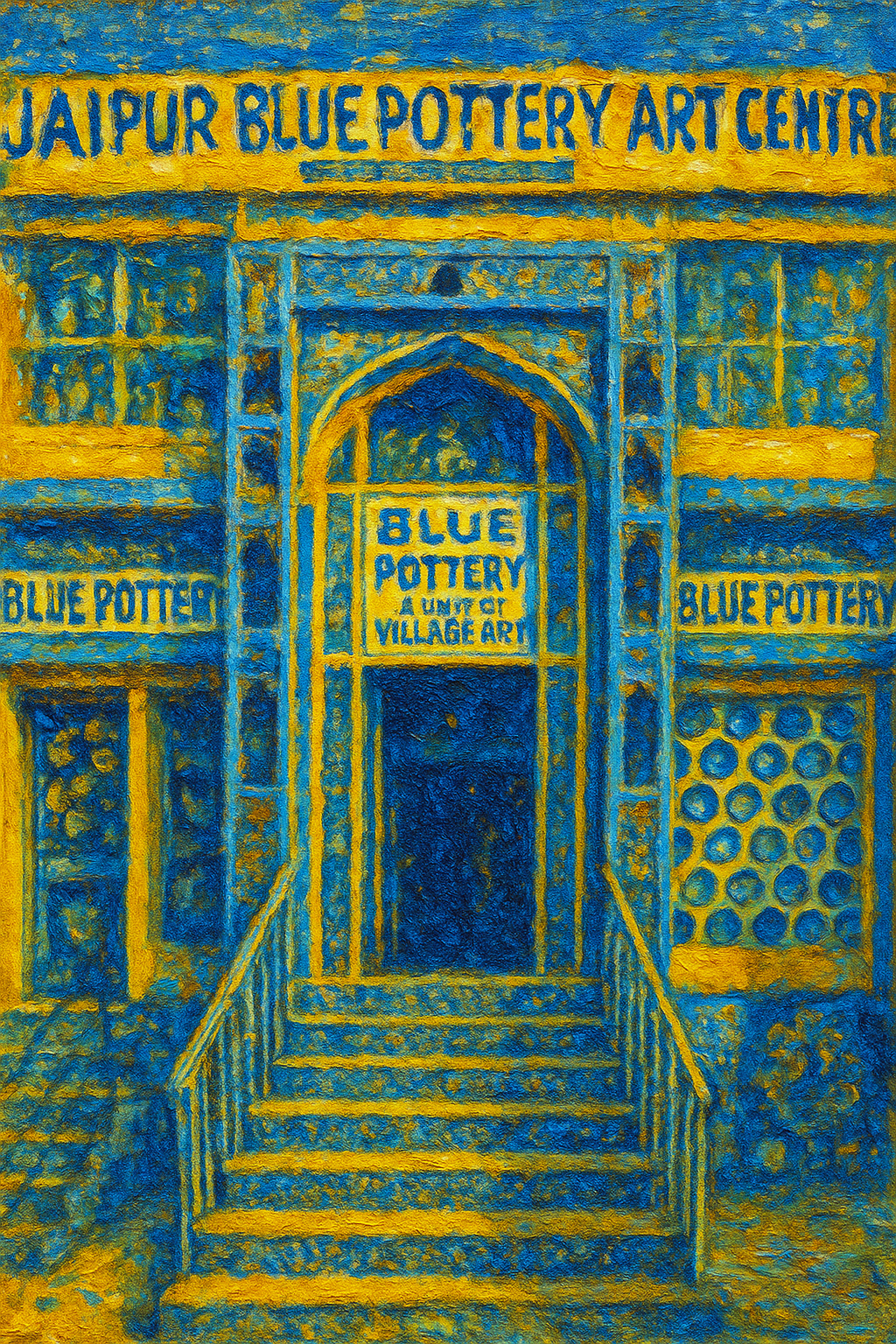
Jaipur Blue Pottery Art Centre
Step through its grand stone portals and into a cathedral of history. From the erotic terracottas of the Indus Valley to the serene bronze Buddhas of the South, this treasure trove lets you hold millennia in a glance. Each gallery is a journey—an empire, a belief, a forgotten art form resurrected in silence.
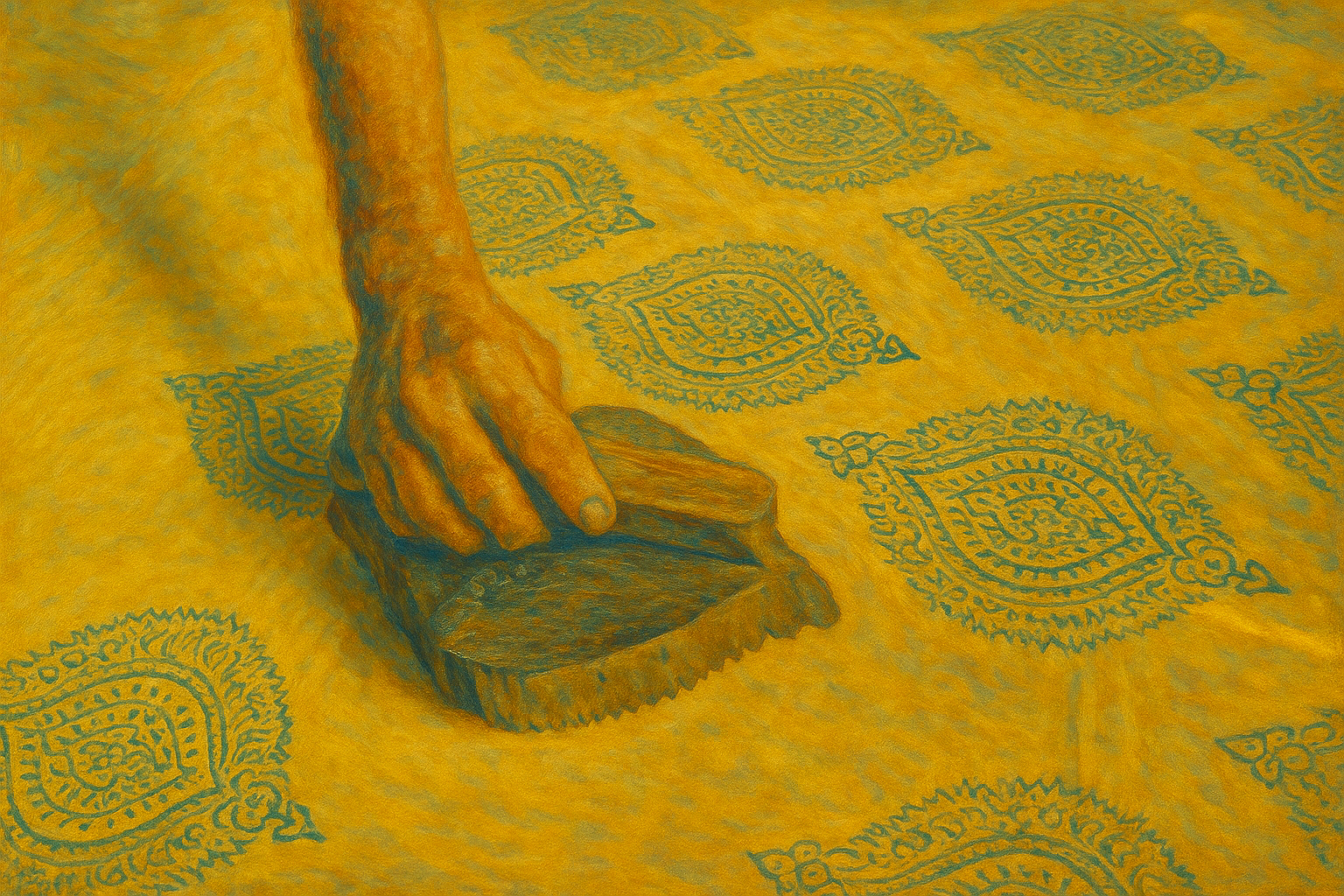
block printing
Block printing is an ancient technique for creating images, text, or patterns by carving a design into a block, applying ink, and pressing it onto a surface. Originating in China, it is now practiced worldwide and is a popular art form for printing on paper, textiles, and other materials
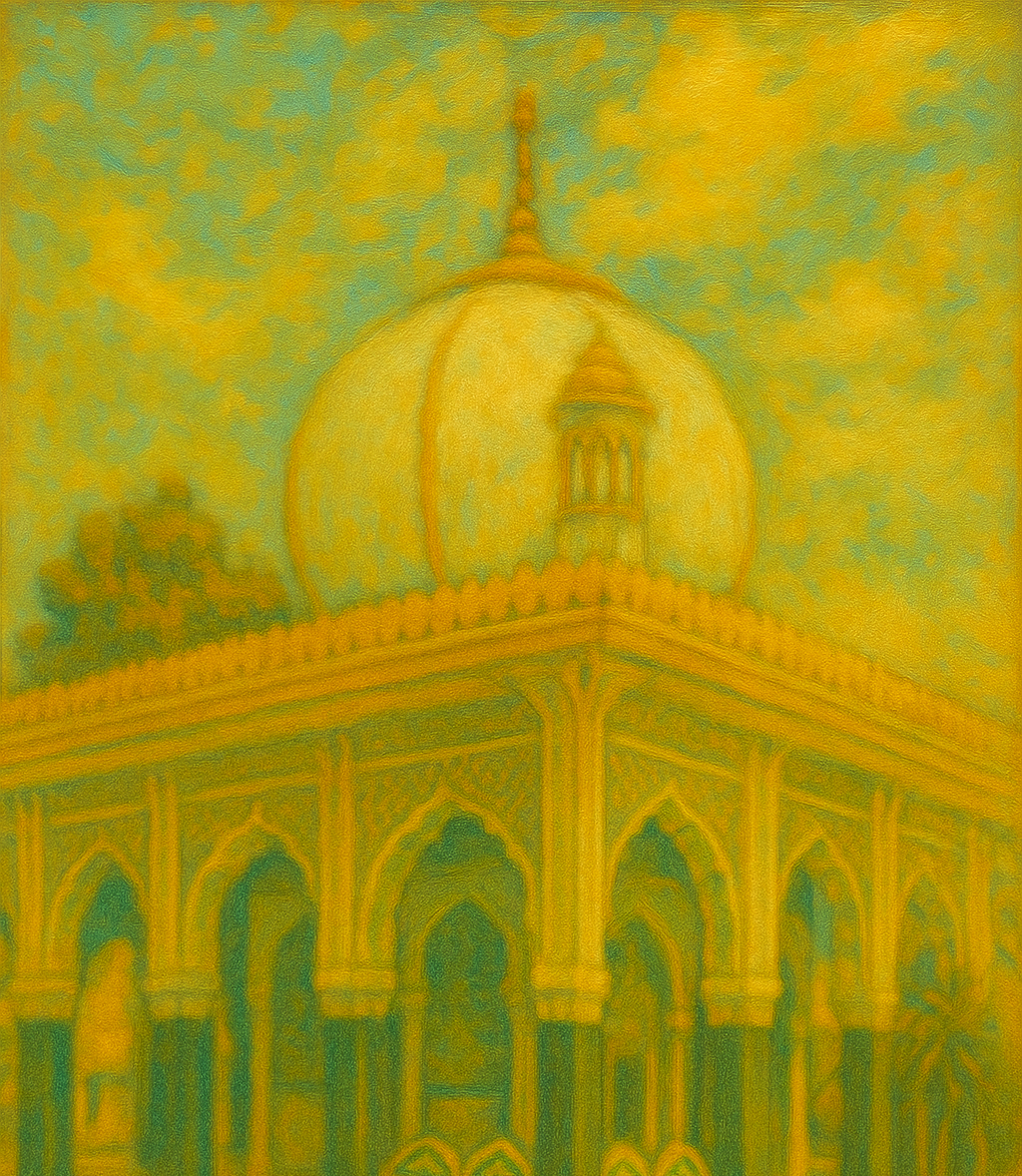
Dargah of Hazrat Maulana Ziauddin Sahab R.A.
Dargah Maulana Sahib, also known as the Dargah of Hazrat Maulana Ziauddin Sahab R.A., is a revered Sufi shrine located near Char Darwaza in Jaipur, Rajasthan. It is a well-known shrine of the Chistia Nizami order, attracting visitors from all faiths, including Muslims, Hindus, and Sikhs, who come to seek spiritual guidance and peace
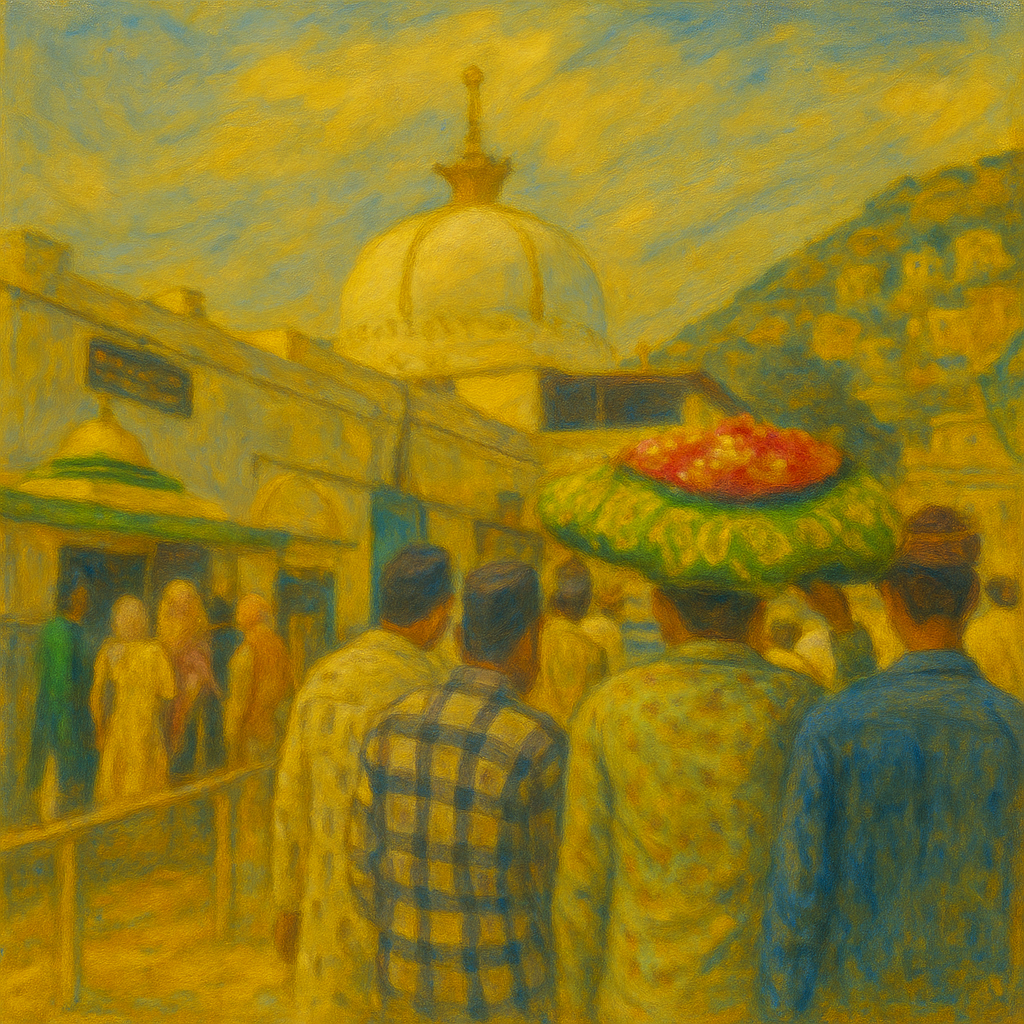
Ajmer
Ajmer, cradled in the Aravalli hills, is a city where devotion transcends boundaries and hearts find solace. At its core lies the revered Ajmer Sharif Dargah, the resting place of the great Sufi saint Khwaja Moinuddin Chishti, whose message of love, humility, and service still resonates across centuries
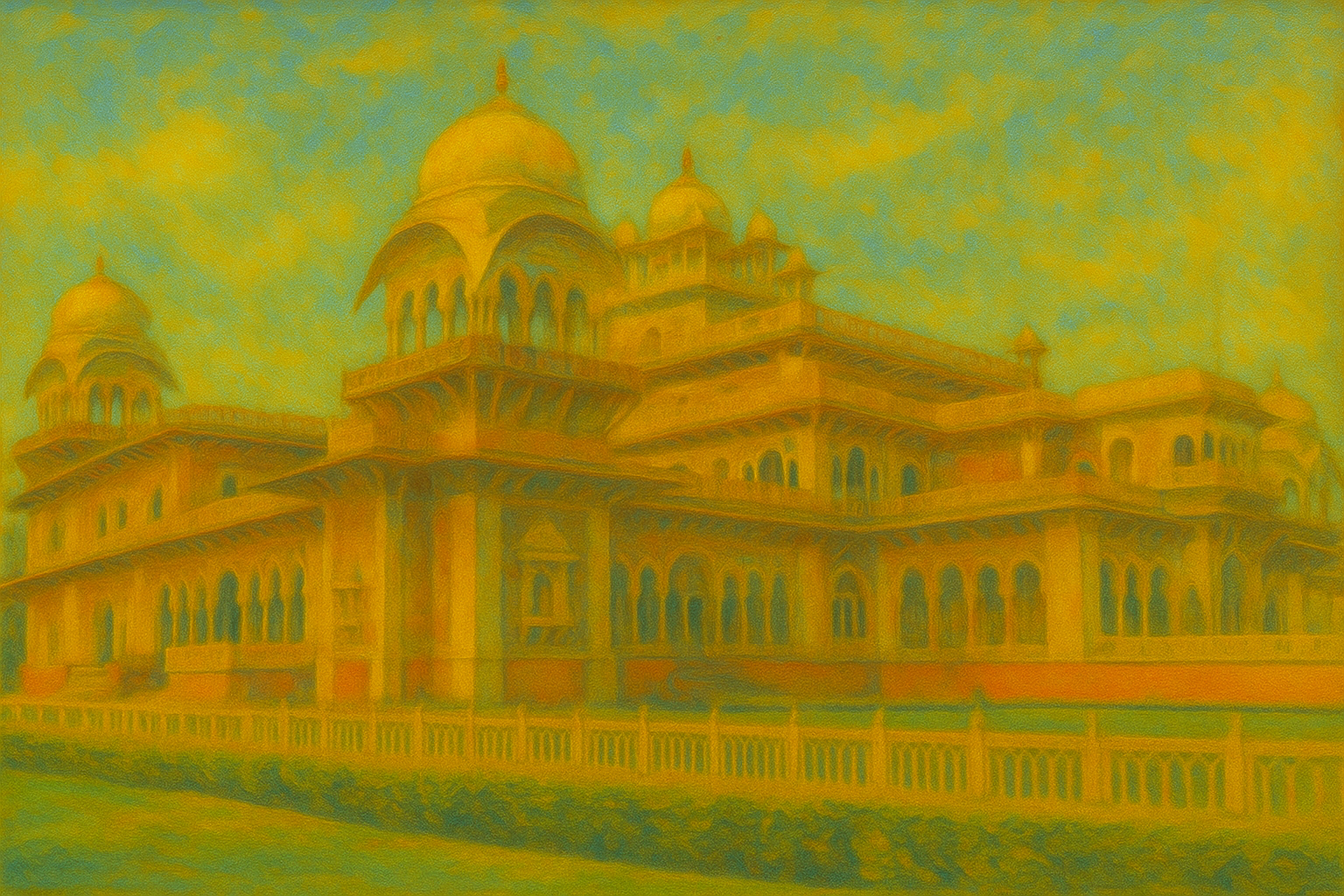
Ram Niwas Gardens
Ram Niwas Garden, also known as Ramniwas Bagh, is a historic and sprawling park located in the heart of Jaipur. Built in 1868 by Maharaja Sawai Ram Singh II as a famine relief project, the garden features lush greenery, beautiful pathways, and fountains. It has evolved into a prominent recreational and cultural hub, housing several attractions, including the famous Albert Hall Museum.
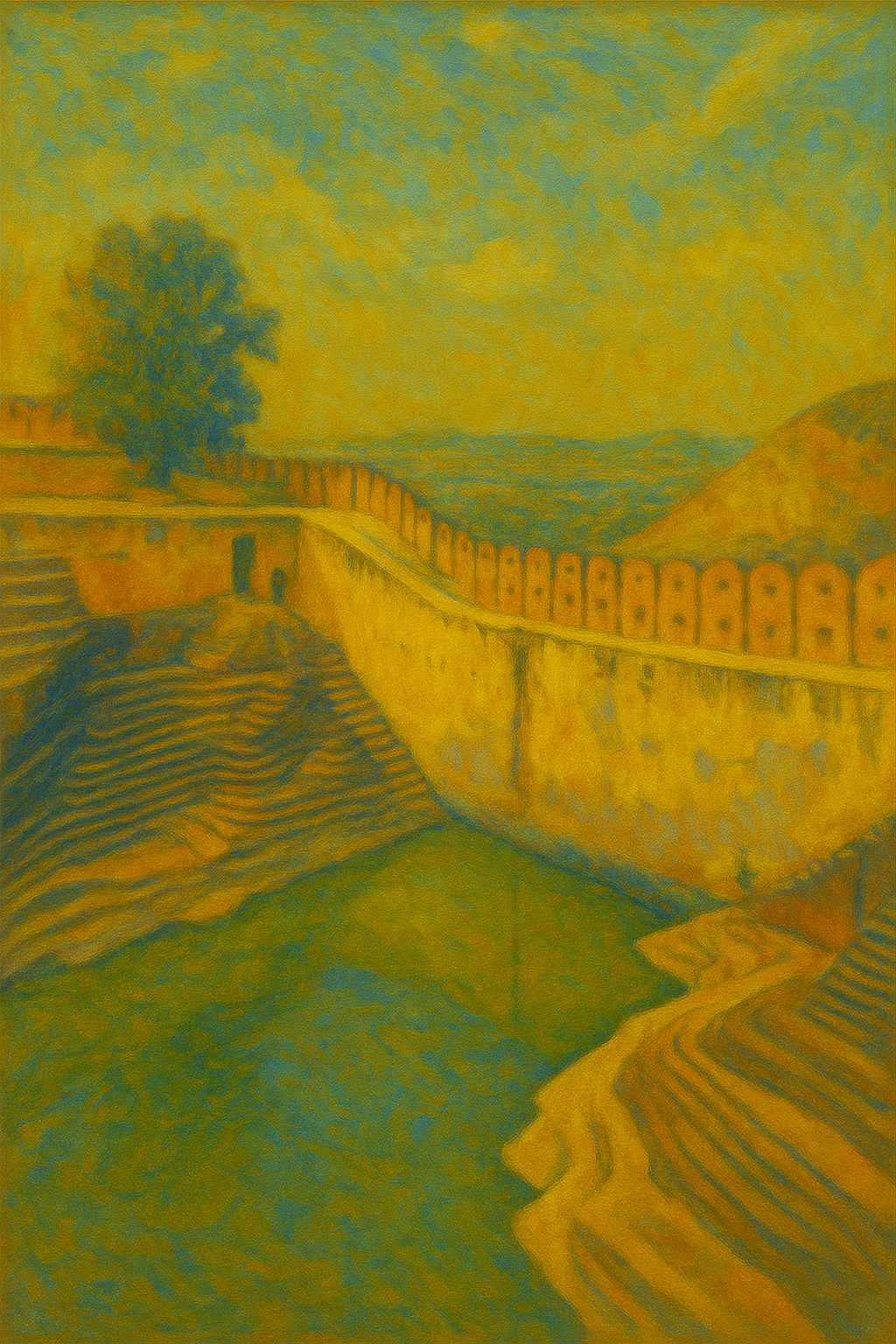
Nahargarh Fort
Nahargarh Fort is a majestic fortress perched on the Aravalli Hills, providing a stunning backdrop to the city of Jaipur. Built in 1734 by Maharaja Sawai Jai Singh II, it was originally named Sudarshangarh but was later renamed Nahargarh, which means "abode of tigers". The fort's strategic location helped form a strong defense ring for the city, along with the nearby Amer Fort and Jaigarh Fort.